
 Español
 العربية
 Francés
 Русский
 Português
 Deutsch
 Italiano
 Polski
 Malay
Malay
 日本語
日本語
 한국어
한국어
 Nederlands
 Indonesia
 български
 Українська
 فارسی
فارسی
 اوردو
اوردو
 тоҷикӣ
 বাংলা
বাংলা






Zero Turn Lawn Mower Maintenance Checklist: Daily to 200-Hour
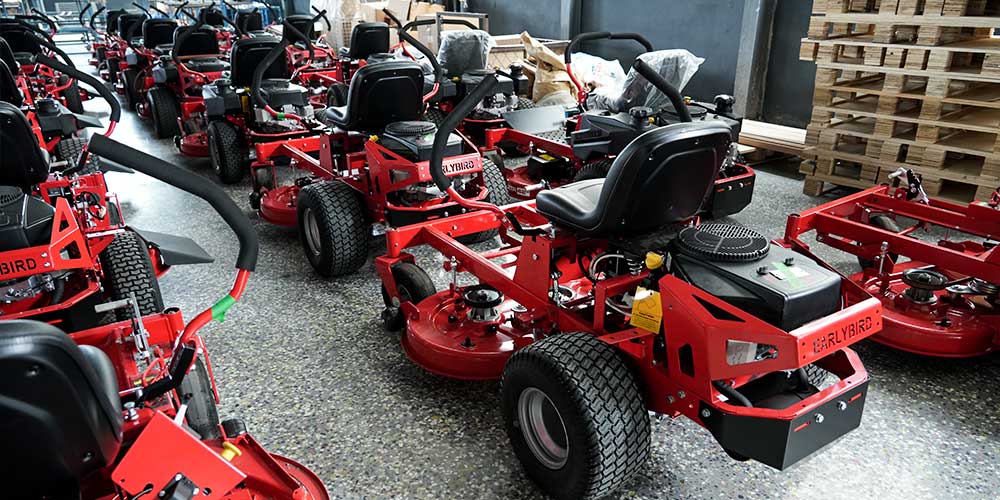
A zero turn lawn mower maintenance plan lives or dies on consistency. The best checklist is the one your crew actually fills out — not the one with 87 line items that gets ignored. Use the structure below as your baseline, then add manufacturer-specific tasks from your manual. Record engine hours and date for every line.
On This Page
Quick-Reference Interval Summary
| Interval | Engine | Deck & Blades | Drive & Tires | Other |
|---|---|---|---|---|
| Before each shift | Oil level check, leak scan | Visual damage check, debris clear | Tire pressure, leak scan | Safety interlock test |
| Every 8–10 hrs | — | Clean deck underside | Grease fittings | Clean cooling screens |
| 50 hours | Oil + filter change | Blade sharpen/balance | Belt inspection, adjust tracking | Spark plug gap check |
| 100 hours | Fuel filter replace | Spindle inspection | Hydro fluid check | Battery terminal clean |
| 200 hours | Air filter replace | Deck level adjust | Hydro filter change | Full fastener torque check |
| Seasonal storage | Fuel stabilizer OR drain | Wax exposed steel | Inflate tires to spec | Battery on maintainer |
How to Use This Checklist
A zero turn lawn mower maintenance plan lives or dies on consistency. The best checklist is the one your crew actually fills out — not the one with 87 line items that gets ignored. Use the structure below as your baseline, then add manufacturer-specific tasks from your manual. Record engine hours and date for every line.
Before Each Shift
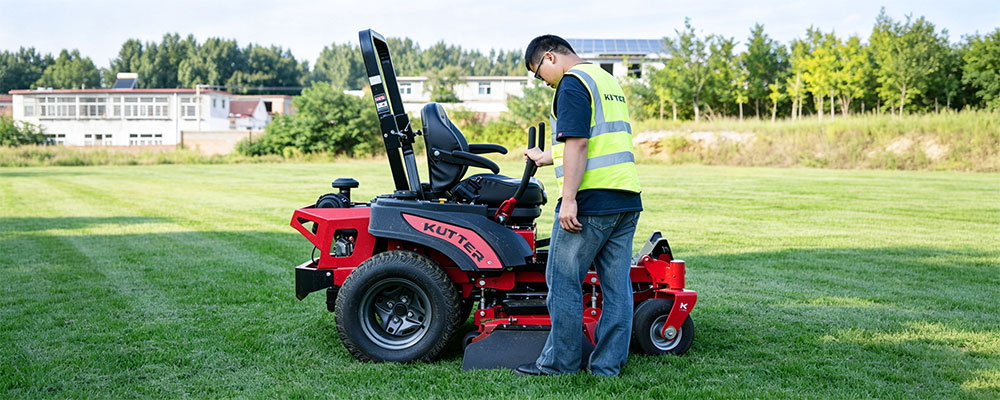
Walk around the machine. Check for leaks, loose fasteners, damaged guards, debris near hot surfaces and visible tire damage. Confirm engine-oil level, fuel condition and required fluid levels according to the manuals. Inspect the deck, discharge area and blades only with the machine shut down, key removed and moving parts stopped. Test controls and safety interlocks before entering the work area.
Cleaning After Operation
Remove grass accumulation using the method approved by the manufacturer. Keep cooling-air passages, engine screens and hydraulic cooling areas clear. Do not direct high-pressure water at bearings, electrical connectors or seals unless the manual permits it. Clean material from the deck before it hardens, and inspect for wrapped wire or debris around spindles and axles.
Hour-Based Service
Create service rows for engine oil, oil filter, air filter, fuel filter, spark plugs, belts, blade condition, spindle lubrication where applicable, battery terminals and hydrostatic-system checks. Enter the exact interval from the current manuals in the maintenance log. A generic "50-hour service" is a useful review point, but each component may have a different requirement.
Blades and Cut Quality
Inspect blades for wear, cracks, bends and imbalance. Replace unsafe blades; do not attempt repairs that the manufacturer prohibits. Dull blades tear grass and can increase load. Detailed sharpening technique belongs in the lawn mower blade sharpening guide, while this parent checklist records inspection, service and replacement dates.
Belts, Deck and Fasteners
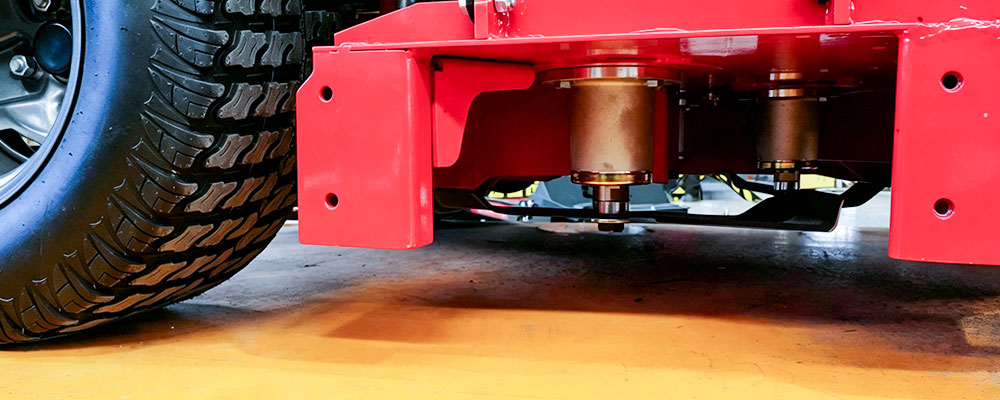
Look for glazing, cracking, frayed edges, contamination and incorrect tracking. Inspect pulleys, idlers, guards, deck hangers, anti-scalp wheels and height-adjustment components. Unusual noise, vibration or recurring belt damage needs diagnosis rather than another belt alone. Use approved parts and torque specifications.
Hydrostatic Drive and Tires
Check for leaks, damaged hoses, cooling obstruction and changes in drive response. Do not open or repair a hydraulic system without the correct procedure, tools and training. Consult the Hydro-Gear transmission guide for system-level context. Maintain tire pressure and matching tire condition because left-to-right differences can affect tracking and deck level.
Seasonal Storage and Return to Service
Before storage, follow fuel-stabilization or draining instructions for the engine, clean the machine, protect exposed metal, service the battery and store the mower in a dry location. At return to service, inspect for corrosion, nesting, degraded fuel, tire loss and rodent damage. Complete the safety checks before starting.
When to Stop and Call Service
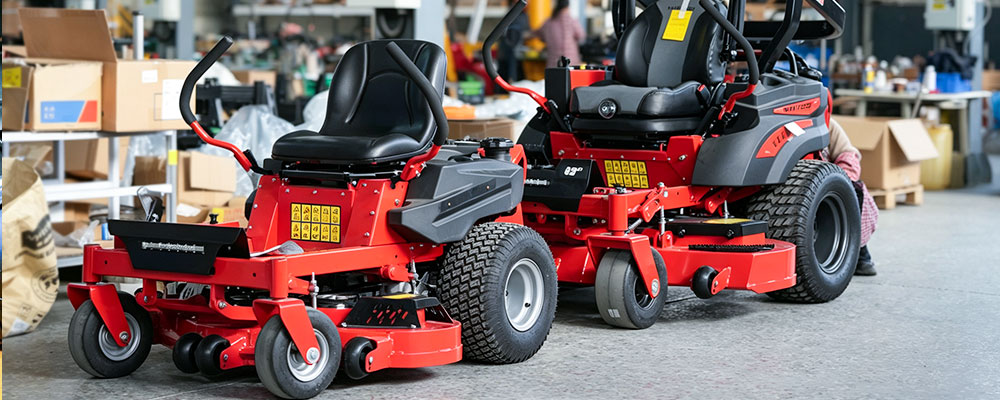
Stop using the mower for a fuel leak, hydraulic leak, damaged blade, persistent vibration, smoke, overheating, loss of control response, failed safety interlock or structural damage. A checklist cannot make a defective machine safe. Maintenance condition is also part of the zero turn mower slope safety checklist.
Simple Record Template (Copy-Paste for Each Machine)
Fleet owners: standardize part numbers and fluid specs across machines. When in doubt about model-specific requirements, start with commercial zero turn mowers and drill into the relevant product page for current documentation.
| Date | Eng Hrs | Task | Parts/Fluids | Tech | Next Due |
|---|---|---|---|---|---|
| 2026-08-01 | 347 | Oil + filter change | SAE 10W-30, OEM filter | JT | 397 hrs / Aug 15 |
| 2026-08-01 | 347 | Blade sharpen + balance | — | JT | 397 hrs / Aug 15 |
Frequently Asked Questions
How often should I change oil in a zero turn mower?
Most commercial engines call for oil and filter changes every 50 engine hours under normal conditions; residential engines may stretch to 100 hours. Dust, high ambient temperature, and sustained heavy load can halve that interval. Check the hour meter — not the calendar — and always match the oil weight to the engine manual (typically SAE 10W-30 or 15W-40 for commercial applications).
How do I know when mower blades need sharpening?
Three signs: (1) grass tips look torn or white/ragged instead of cleanly cut, (2) the engine loads up faster than usual at the same travel speed, (3) visible nicks, dull edge, or uneven wear on the blade. Commercial crews should inspect blades daily and sharpen at 8–10 operating hours.
What maintenance does a hydrostatic transmission need?
Check fluid level and hose condition at 50-hour intervals; replace the hydro filter at the interval specified in the transmission manual (commonly 200 hours). Never open the system without the correct procedure — contamination kills hydrostats faster than wear.
Should I run the mower dry before storage?
Follow your engine manual, not internet advice. Some manuals recommend fuel stabilizer + a full tank to prevent condensation; others recommend draining the system entirely. EFI engines may have different storage procedures than carbureted engines. One rule is universal: disconnect or maintain the battery.
What is the most overlooked maintenance item?
Tire pressure. A 2-psi difference between left and right rear tires will pull the deck out of level, ruining cut quality and increasing belt wear. Check cold pressure before every shift and match both sides to the manual spec — not to "what feels right."
Keep Your Fleet Running
Download our full maintenance schedule or contact a KUTTER service specialist for model-specific intervals and part numbers.

Questions About Your Maintenance Schedule?
Our support team can provide model-specific intervals, fluid specs, and part numbers.
Contact Us
Related Products


ZTR-48C
hot selling index
