
 Español
 العربية
 Francés
 Русский
 Português
 Deutsch
 Italiano
 Polski
 Malay
Malay
 日本語
日本語
 한국어
한국어
 Nederlands
 Indonesia
 български
 Українська
 فارسی
فارسی
 اوردو
اوردو
 тоҷикӣ
 বাংলা
বাংলা


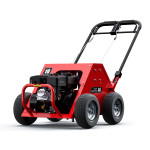
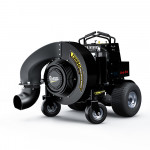


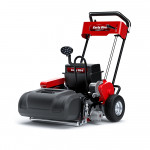


Turf Care Equipment for Soil & Grounds Maintenance
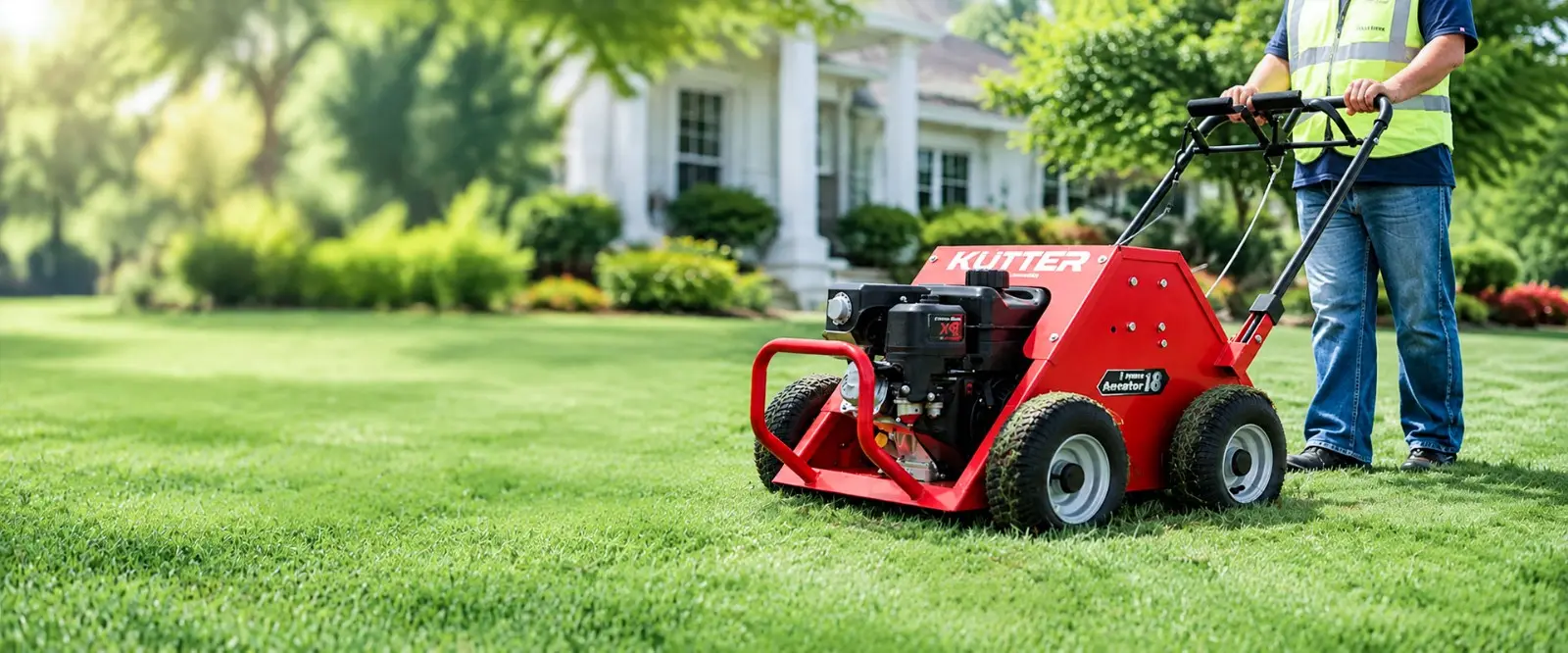
Turf Care Equipment for Soil & Grounds Maintenance
Clear debris, remove thatch and open compacted soil with KUTTER turf care equipment built for distributors and professional maintenance teams.
What Does the Site Need Next?
Different turf problems call for different equipment. Start with the condition the customer needs to correct, then choose the machine category.
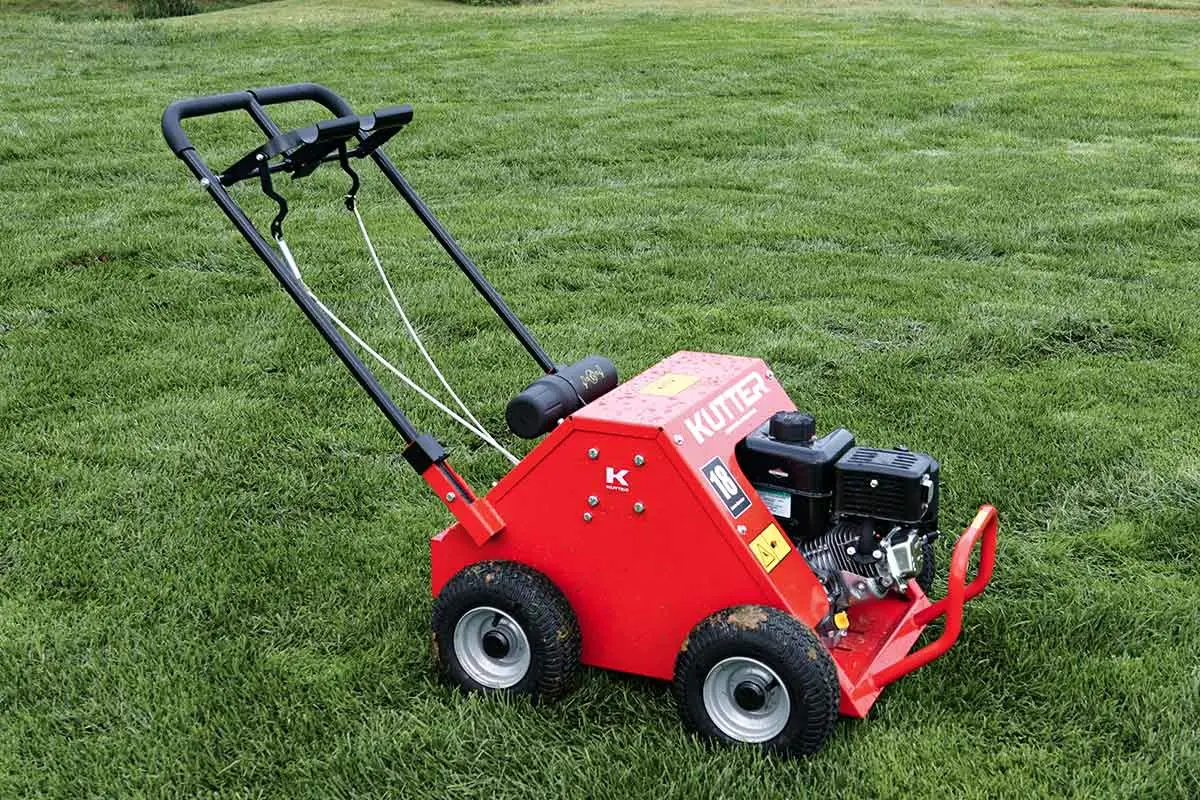
Compacted Soil
When traffic and repeated use restrict the root zone, aeration creates openings that support the movement of air, water and nutrients into the soil.
Explore Lawn Aerators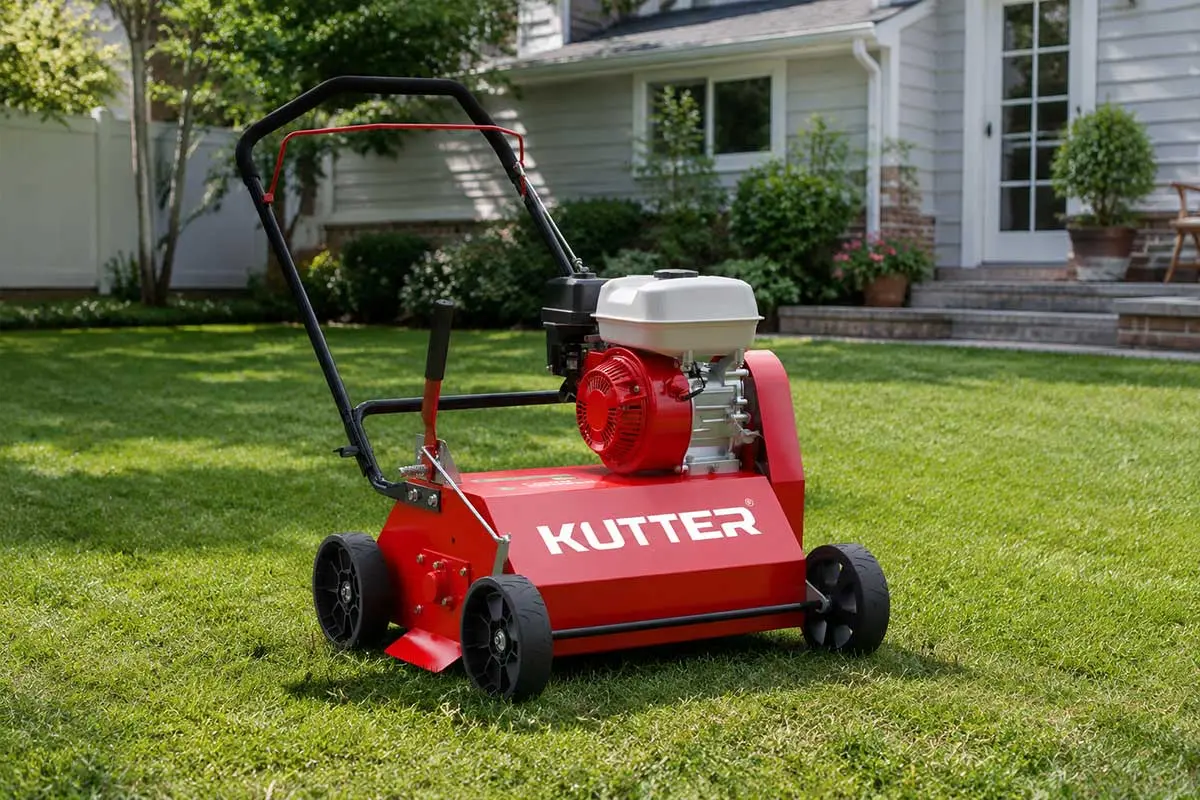
Thatch, Moss and Dead Grass
When organic material builds up between the grass canopy and soil surface, a lawn comber removes the unwanted layer before recovery work continues.
Explore the LC20 Lawn Comber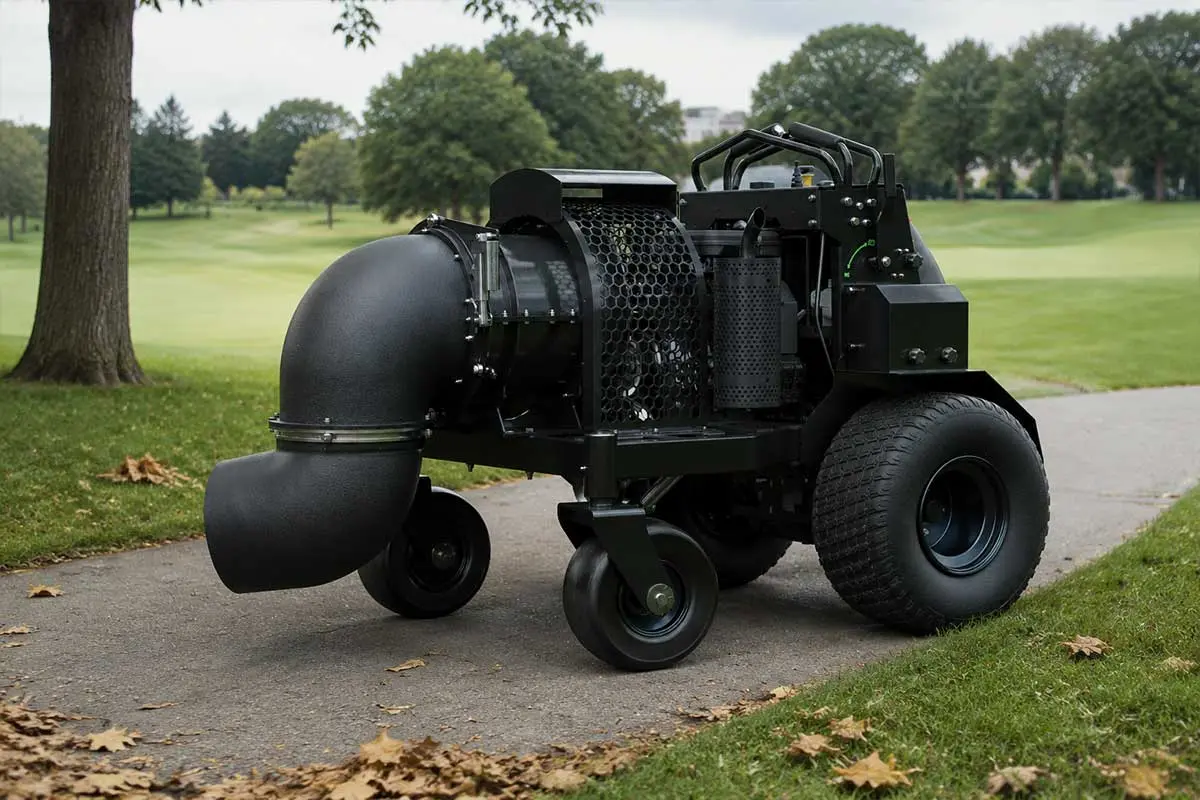
Leaves and Loose Surface Debris
For seasonal cleanup, route work and repeated property maintenance, a wheeled leaf blower helps move debris from turf edges, paths and open grounds.
Explore Leaf Blowers
Grounds Care Begins Where Mowing Stops
Mowing controls grass height and surface presentation. It does not remove compacted soil, lift accumulated thatch or clear every layer of loose debris. Together, the machines used for these jobs form a practical turf maintenance equipment route.
Removes leaves, clippings and loose material from the surface. It improves access and makes the turf easier to inspect before renovation work begins.
Works at the layer between the grass canopy and the soil surface. A lawn comber uses a vertical working system to lift thatch, moss and dead grass that can obstruct the turf surface.
Works below the surface. Core aerators remove small plugs of soil to relieve compaction and create channels into the root zone.
For dealers and importers, this distinction matters. Each category answers a different customer question, requires different sales guidance and creates a separate equipment opportunity.
Connect Cleanup, Thatch Control and Soil Recovery
A practical grounds-care route follows the condition of the site rather than forcing every machine into every job.
Assess the Site
Identify the main restriction first. Look for loose debris, visible moss or thatch, compacted traffic areas, weak recovery or a combination of these conditions.
Clear Loose Debris
Remove leaves and surface material so the turf canopy and work area are visible. Select a blower format around access, transport, route frequency and area.
Inspect the Thatch Layer
If accumulated material sits between the green growth and soil surface, schedule dethatching when turf conditions allow recovery.
Dethatch Where Needed
Use the lawn comber to lift unwanted surface material. Collect the loosened debris before moving to the next stage.
Aerate Compacted Areas
Where soil compaction is the main problem, use a core aerator suited to the working width, site size and required productivity.
Support Recovery
Return the site to its appropriate irrigation, nutrient, overseeding and mowing program. KUTTER supplies selected equipment for cleanup, dethatching and aeration; the complete maintenance program may require additional products and local agronomic guidance.
Three Equipment Routes for Three Grounds-Care Jobs
This turf care equipment framework keeps three different jobs separate while giving buyers one route for category comparison.
Lawn Aerators: Open Compacted Soil
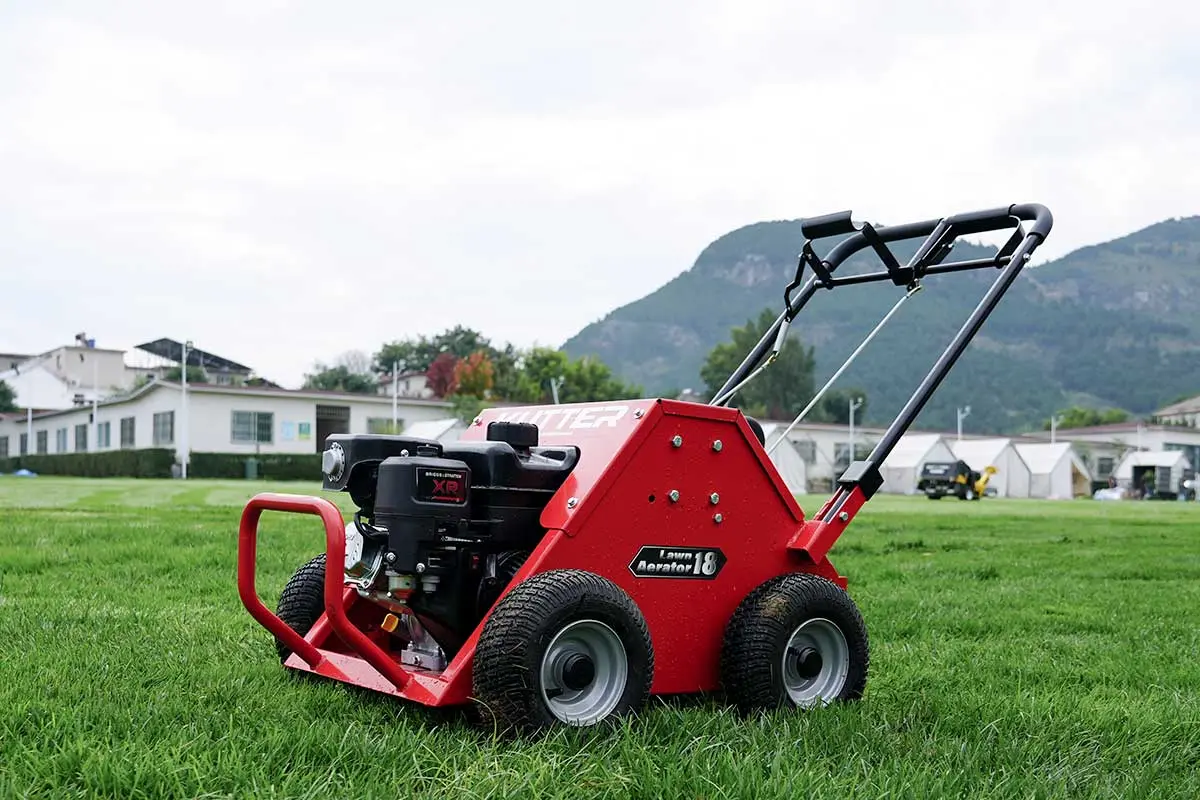
KUTTER lawn aerators are the starting point when traffic and repeated use affect the root zone. The current range includes two verified working formats:
LA-418 with a 410 mm working width and up to 90 mm coring depth.
LA-726 with a 673 mm working width, 42 coring tines and up to 3,716 m2 per hour under the documented operating condition.
Best-fit audiences: Landscaping contractors, municipal grounds teams, commercial property maintenance teams, rental channels and specialist equipment dealers.
Explore Lawn Aerators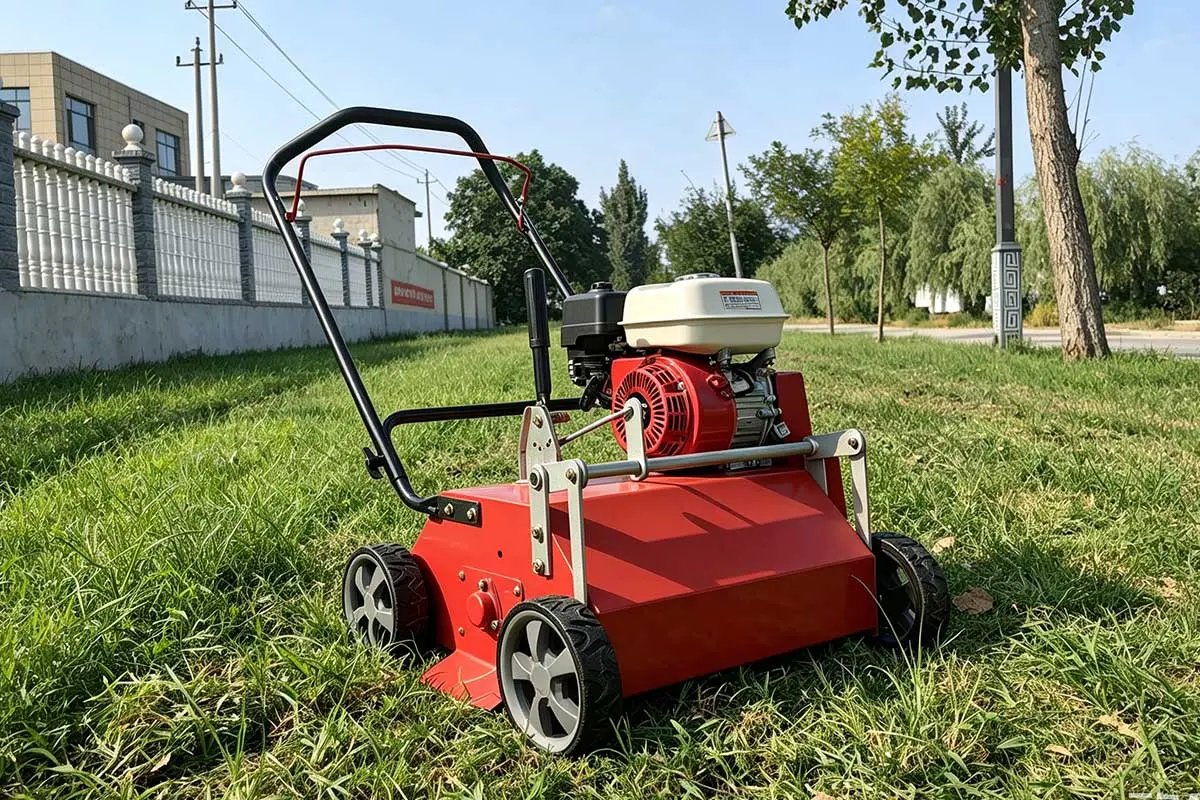
Lawn Comber: Remove Thatch and Surface Buildup
The LC20 lawn comber is designed for dethatching work where moss, dead grass and accumulated material need to be lifted from the turf surface. Its verified specification includes a 510 mm working width, five-position height adjustment and a belt-driven working system.
Within a lawn renovation equipment line, this category can help dealers serve seasonal demand without presenting the machine as an aerator. The lawn comber works at the surface layer; the aerator works in compacted soil below it.
Best-fit audiences: Contractors offering seasonal turf renovation, parks and managed properties, rental channels, garden equipment dealers and importers building a compact specialty-equipment range.
Explore the LC20 Lawn Comber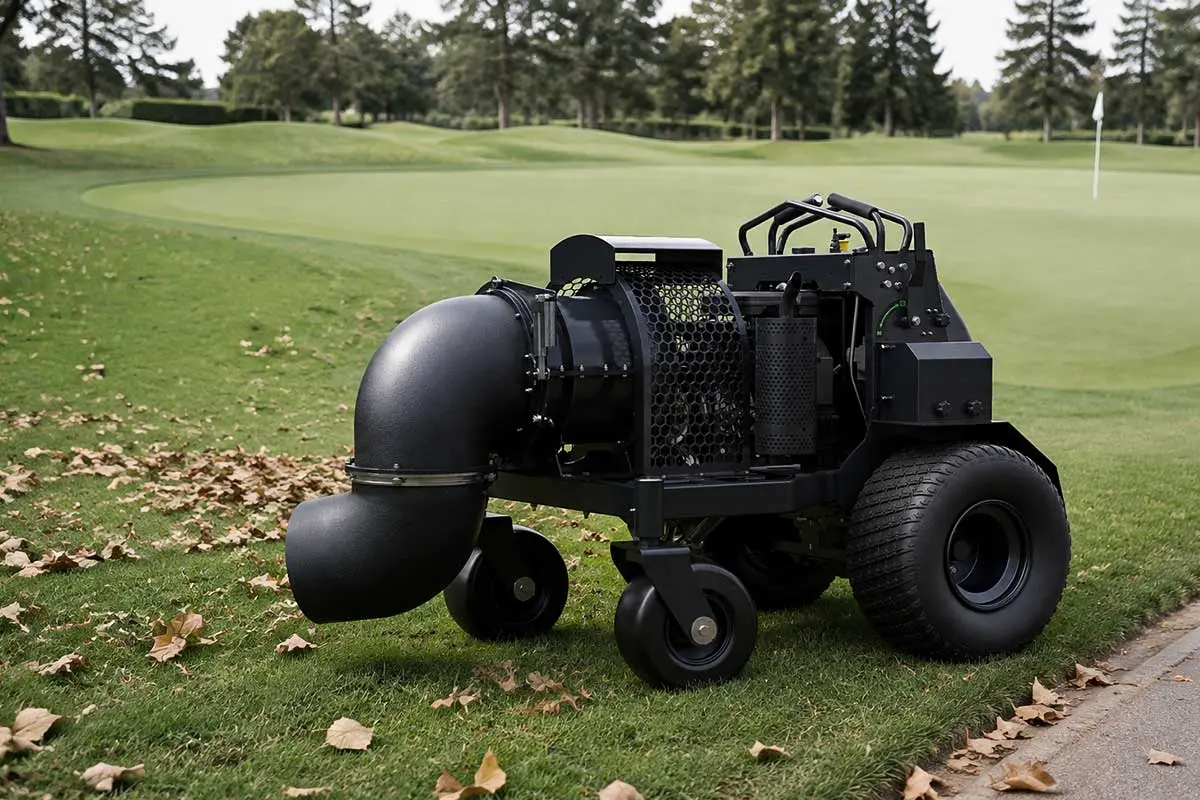
Leaf Blowers: Clear the Surface and Keep Routes Moving
KUTTER leaf blowers support daily and seasonal debris cleanup across managed properties. The range includes walk-behind formats for compact access and frequent transport, plus stand-on formats for larger, repeated cleanup routes.
The selection question is not simply which machine has the highest airflow. Dealers should also consider access width, storage, transport, operator time, surface type and the local ability to support the engine and drive system.
Best-fit audiences: Landscaping contractors, municipal parks, campuses, commercial properties, resorts and distributors serving professional cleanup customers.
Explore Leaf BlowersChoose the Blower Format Around the Route
Match the machine format to the property size, access and working frequency.
Walk-Behind Leaf Blowers
Start with a walk-behind format when customers regularly move machines between sites, work through tighter access points or need a compact machine for paths, turf edges and smaller managed properties.
KUTTER LB1 and LB2 specifications document adjustable front discharge, swivel front wheels with a lock and wheeled formats intended for controlled surface cleanup.
Main decision factors: Access, transport, storage, maneuverability and expected debris load.
Explore Walk-Behind BlowersStand-On Leaf Blowers
Start with a stand-on format when the route covers larger properties, cleanup is repeated frequently and operator travel time becomes a major planning factor.
KUTTER stand-on formats use hydrostatic drive systems and operator-controlled discharge direction. Product-level airflow, engine and configuration details remain on the category and product pages.
Main decision factors: Property size, route frequency, operator time, transport capacity and local service readiness.
Compare the Leaf Blower RangeMatch the Equipment to the Grounds-Care Route
The right turf maintenance equipment mix changes with the customer, property type, access and working frequency.
Professional Landscaping Routes
Contractors need equipment that can move between customers and earn its place on the trailer. Start with the most frequent paid service in the local market: debris cleanup, seasonal dethatching or aeration. Add the next category only when route demand, transport and operator capacity support it.
Typical route: Leaf blower + lawn aerator + lawn comber, selected by local service demand.
Municipal Parks and Public Grounds
Public grounds combine open turf, paths, gathering areas and seasonal debris. Leaf blowers support routine cleanup, while aerators address compacted areas on an appropriate maintenance schedule. Lawn combers can be added where thatch management is part of the turf program.
Typical route: Leaf blower + lawn aerator, with lawn comber where needed.
Campuses and Commercial Properties
Access points, public activity, cleanup frequency and presentation standards shape the equipment choice. A walk-behind blower can suit smaller routes and confined access. The lawn comber supports seasonal surface renovation, while an aerator is added when soil compaction is confirmed.
Typical route: Walk-behind leaf blower + lawn comber + lawn aerator when required.
HOAs, Resorts and Managed Estates
These properties often balance appearance, seasonal cleanup and lawn recovery. Match the blower to the route size, use the lawn comber for thatch buildup and schedule aeration around actual soil conditions.
Typical route: Lawn comber + lawn aerator + appropriately sized leaf blower.
Rental and Specialist Equipment Channels
Rental buyers need a clear job description, practical transport and straightforward maintenance. Build the first category around the most recognizable local task, then prepare replacement parts, operating guidance and handover material before expanding the range.
Typical route: Begin with the strongest local demand among aeration, dethatching and cleanup.
What Partners Should Confirm Before Building the Category
For distributors and importers, a grounds care equipment category should begin with local customer jobs, route conditions and support readiness.
Who Is the Customer?
Separate contractors, municipal teams, property managers, rental channels and homeowner-focused dealers. Their working frequency, transport and support expectations are different.
Which Job Occurs Most Often?
Use local climate, property type and customer interviews to determine whether the first opportunity is seasonal debris cleanup, thatch control or soil aeration.
What Are the Site and Route Constraints?
Confirm area, access width, slopes, loading method, trailer space and the number of sites visited in a normal day.
What Support Must Be Ready?
Plan routine parts, operating documents, product training and a clear route for technical questions before the first shipment reaches customers.
How Will the Initial Mix Be Tested?
Start with a focused product mix, collect feedback from representative users and expand only after the category has a clear sales and service story.
Continue Your Grounds-Care Research
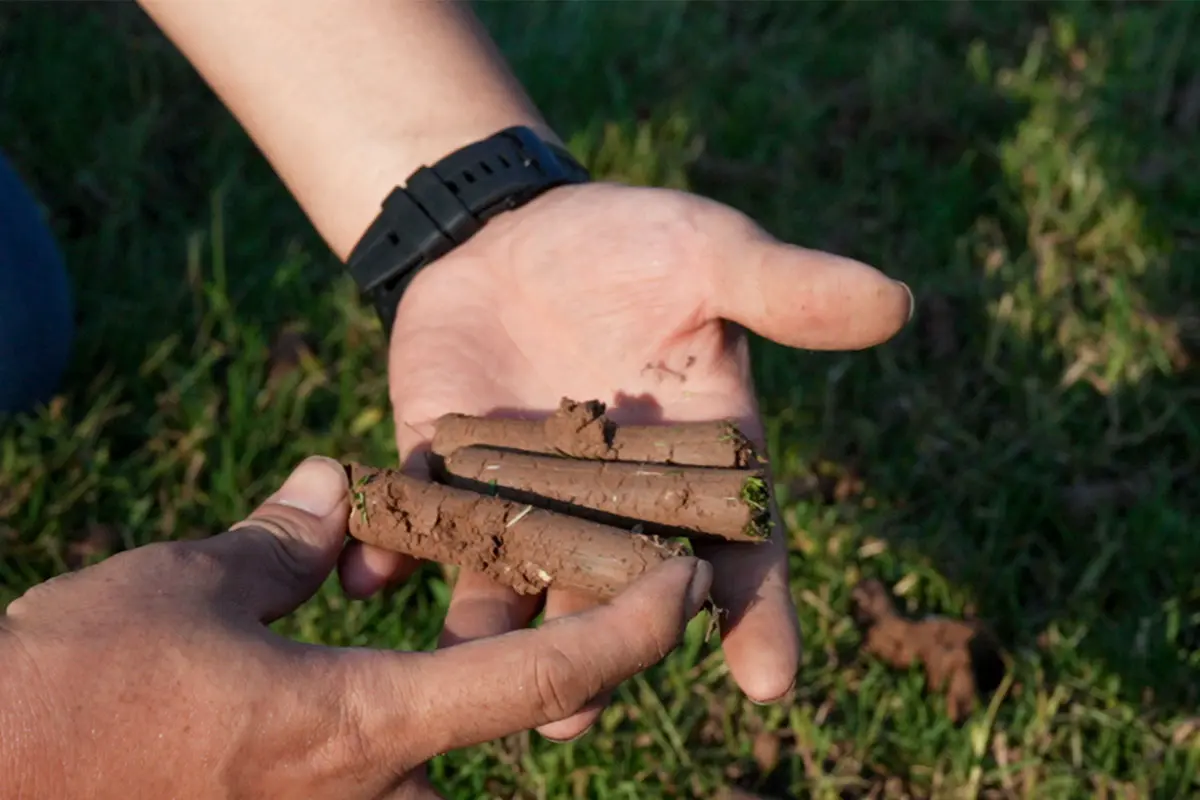
How to Aerate and Dethatch a Lawn
Use this educational guide to understand why aeration and dethatching are separate operations and how they can fit into a lawn recovery sequence.
Read the Guide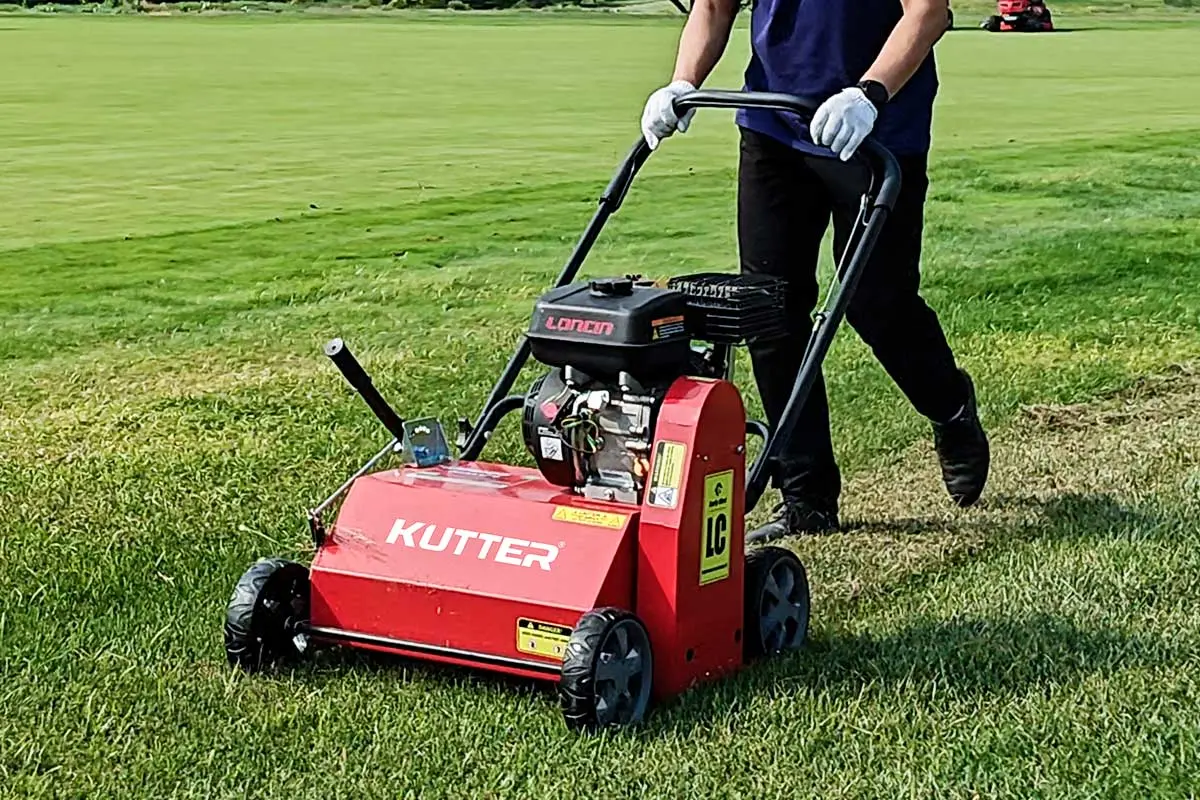
What Does a Lawn Aerator Do?
Review the purpose of lawn aeration before comparing working widths and machine formats.
Read the GuideProduct, Manufacturing and Technical Support
Choose the next step according to the question you need answered.
Product and Distributor Discussion
Discuss target customers, product mix and commercial requirements with the KUTTER team.
Contact KUTTEROEM and Private Label Requirements
Review branding and established-platform customization options for your market.
Explore OEM CooperationNew-Product Engineering
Use the ODM route when the requirement goes beyond branding and needs product-development discussion.
Explore ODM DevelopmentManuals, Parts and Technical Assistance
Direct existing product and after-sales questions to the support center.
Visit SupportFactory and Manufacturing Capabilities
Review KUTTER manufacturing, production and quality-control information.
View Factory CapabilitiesFrequently Asked Questions
The equipment depends on the maintenance problem. Leaf blowers clear loose surface debris, lawn combers remove thatch and dead material at the turf surface, and lawn aerators relieve compacted soil in the root zone. Other maintenance programs may also require mowing, irrigation, overseeding, fertilizing or spraying equipment not covered on this page.
A lawn comber works at the surface to lift thatch, moss and dead grass. A core aerator penetrates the soil and removes small plugs to relieve compaction. They are different machines for different stages of turf recovery.
Dethatching should be based on the actual thatch layer, turf condition, grass type and the recovery window available in the local climate. Avoid using a fixed calendar recommendation for every market.
Walk-behind blowers are a practical starting point for tighter access, frequent transport and smaller managed sites. Stand-on blowers are designed around larger, repeated routes where travel and operator time are important. Final selection should also consider storage, transport and service capacity.
Both audiences may use blowers, lawn combers and aerators, but the correct mix depends on property size, access, working frequency, transport and the maintenance problems present on the site.
KUTTER works with business buyers on product selection and commercial requirements. Available models, configurations, order terms and market documentation should be confirmed directly for the intended country and order.
OEM and private label discussions are available for suitable projects. Branding, configuration, documentation, minimum quantities and validation requirements are confirmed through the dedicated OEM process rather than assumed on this page.
Existing buyers and partners should use the KUTTER Support page for manuals, parts and technical assistance, or contact the team with the exact product model and request.
Build the Right Turf Care Equipment Line for Your Market
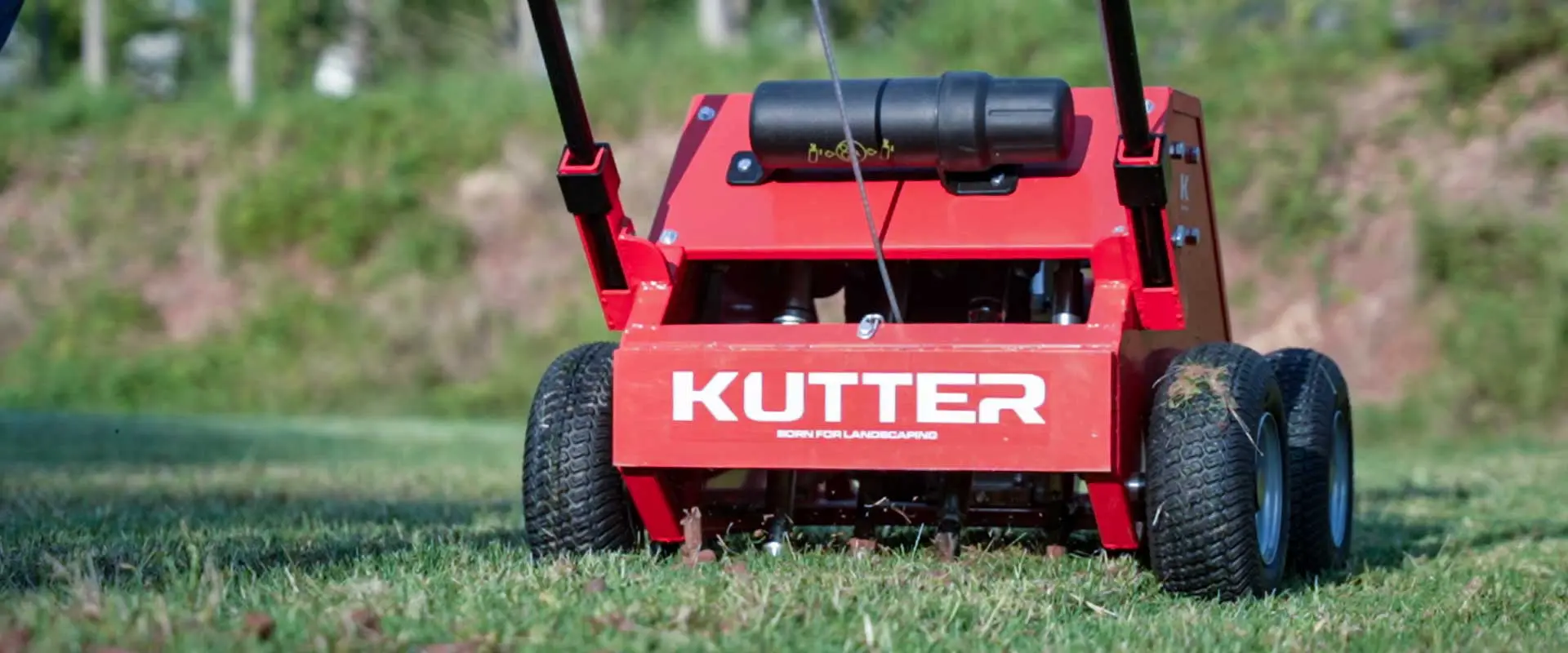
Start with the maintenance problem your customers face most often. KUTTER can help distributors and importers compare aeration, dethatching and debris-cleanup routes, then discuss the product mix and support requirements for the target market.
Looking for manufacturing or branding partnership? Discuss OEM Requirements