
 Español
 العربية
 Francés
 Русский
 Português
 Deutsch
 Italiano
 Polski
 Malay
Malay
 日本語
日本語
 한국어
한국어
 Nederlands
 Indonesia
 български
 Українська
 فارسی
فارسی
 اوردو
اوردو
 тоҷикӣ
 বাংলা
বাংলা







Lawn Mower Blade Sharpening: Zero Turn Cutting Guide
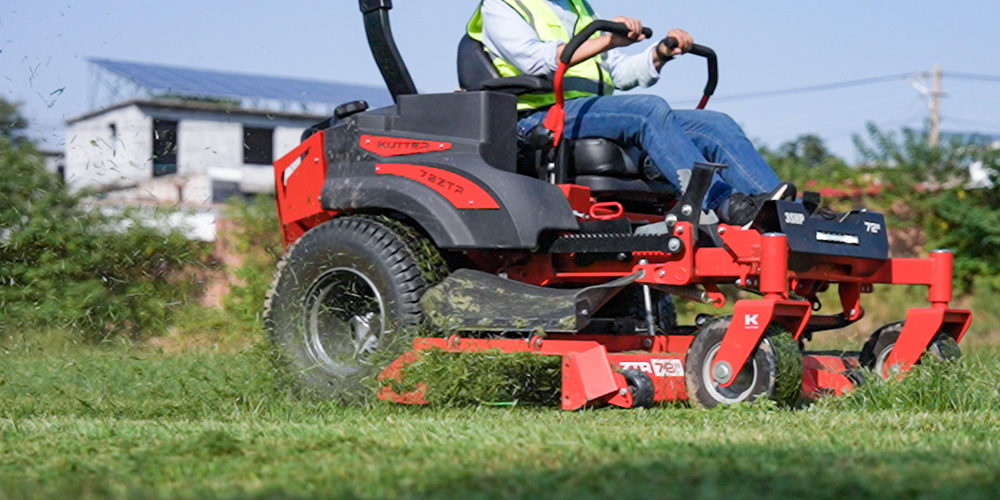
A dull mower blade doesn't just cut badly. It tears grass tips, which leaves the lawn looking brown and stressed, and it forces the engine to work harder. For a zero turn mower, blade condition is one of the fastest ways to improve cut quality and reduce fuel consumption.
This guide covers when to sharpen, what angle to use, the tools you need, and the safety steps that should never be skipped.
On This Page
Why Blade Sharpness Matters
A sharp blade slices cleanly through grass. A dull blade rips it. The torn ends dry out faster, turn brown, and create entry points for disease. On a large property, that difference is visible from across the yard.
Sharp blades also reduce engine load. A dull blade creates drag, which makes the engine pull more fuel and can shorten belt and clutch life. On a zero turn mower, where blades spin at high RPM, the effect is magnified.
How Often Should You Sharpen Mower Blades?
| Mowing Frequency | Recommended Sharpening Interval |
|---|---|
| Light residential (1x/week) | Every 20–25 hours |
| Moderate residential (2–3x/week) | Every 15–20 hours |
| Commercial use | Every 10–15 hours |
| After hitting debris | Inspect immediately |
A good rule of thumb is to inspect the blades every month during the cutting season. If the grass tips look ragged after mowing, or if the engine sounds like it's working harder than usual, sharpen the blades sooner.
What Blade Angle to Use
Kutter zero turn mower blades are sharpened at 30 degrees. That is the standard angle for most residential and commercial rotary mower blades. The angle is measured on the bevel — the sloped surface that does the actual cutting.
| Blade Type | Bevel Angle | Notes |
|---|---|---|
| Standard high-lift blade | 30° | Most common on residential ZTR models |
| Mulching blade | 30° with additional curved edge | Curves help recirculate clippings |
| Low-lift blade | 30° | Used in sandy or dusty conditions |
Maintaining a consistent angle matters. If the bevel is too shallow, the edge is weak. If it is too steep, the blade becomes dull faster and requires more horsepower to spin.
Tools You Need
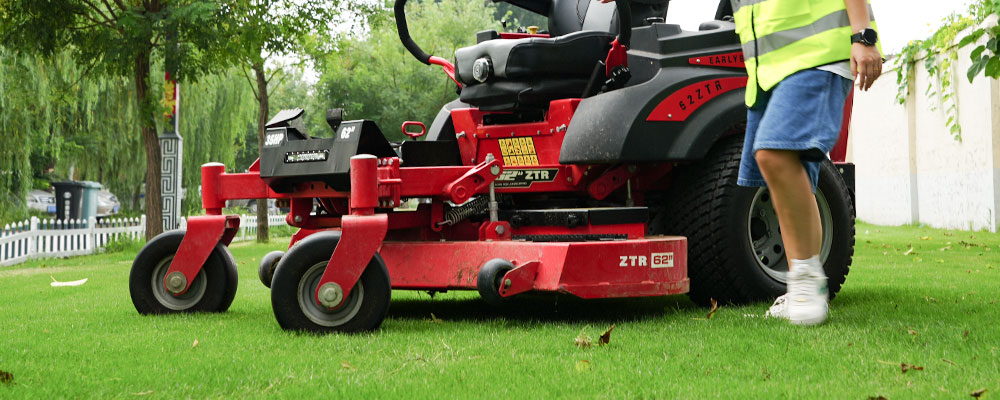
A blade balancer is not strictly required, but an unbalanced blade causes vibration, uneven wear on the deck, and stress on the spindles. For a 50-inch deck with three blades, balance is especially important.
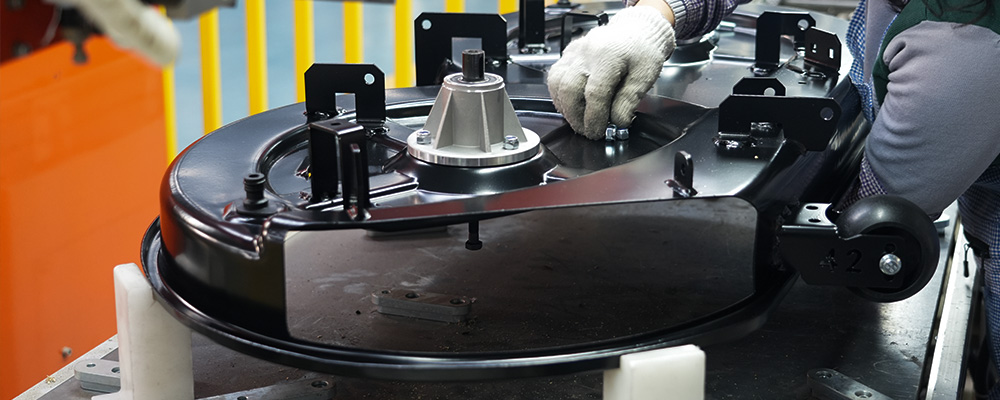
Step-by-Step Blade Sharpening Process

When to Replace Instead of Sharpen
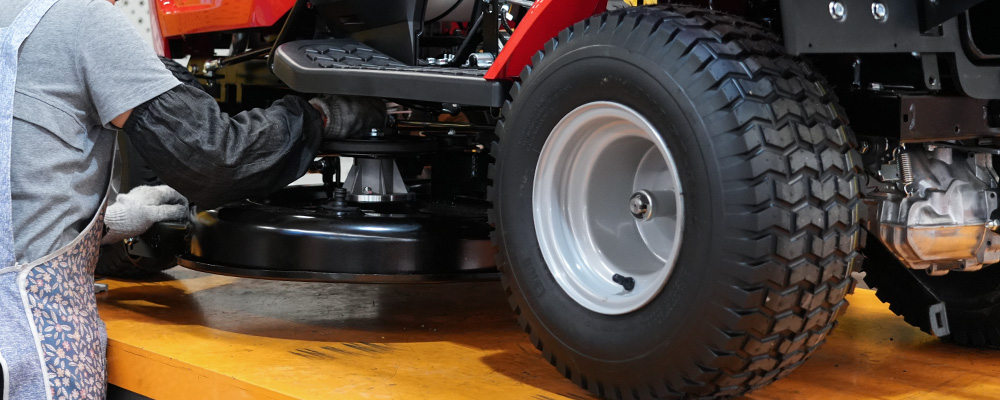
Blades should be replaced when the cutting edge is thinner than the back of the blade, there are cracks, bends, or chips near the cutting edge, the blade is out of balance and cannot be corrected, the blade has been sharpened so many times that it is visibly smaller than new, or bolts and mounting holes are worn or elongated.
A damaged blade is a safety hazard. If in doubt, replace it. Blade replacement is inexpensive compared to deck or spindle repair.
Maintenance Schedule for Kutter Zero Turn Mowers
| Task | Interval |
|---|---|
| Inspect blades | Every 10 hours |
| Sharpen blades | Every 15–25 hours |
| Replace blades | Every 100–150 hours or when damaged |
| Check deck level | Every 50 hours |
| Grease spindles | Per owner's manual |
| Clean underside of deck | Monthly |
Common Mistakes to Avoid
Only sharpen the beveled side. Grinding the back side destroys the blade geometry and weakens the cutting edge.
Dip it in water often to preserve temper. Overheated steel loses hardness and dulls quickly.
Vibration causes expensive damage to spindles, bearings, and the deck shell over time.
Cracks can cause blade failure at high RPM. Replace any blade with visible damage.
Too loose and the blade can come off; too tight and threads strip. Use a torque wrench.
Frequently Asked Questions
What angle do you sharpen lawn mower blades at?
Most zero turn mower blades, including Kutter models, use a 30-degree bevel angle.
How often should I sharpen my zero turn mower blades?
Every 15–25 hours of mowing for residential use, or whenever grass tips look ragged after cutting.
Can I sharpen blades without a bench grinder?
Yes, a hand file or an angle grinder with a flap disc can work. A bench grinder is faster and gives more consistent results.
Do I really need a blade balancer?
For occasional use, you may get away without one. For regular mowing and multi-blade decks, a balancer is highly recommended to prevent spindle and deck wear.
Can I sharpen a bent blade?
No. A bent blade should be replaced. Straightening it can create weak points that may fail during operation.
What happens if I mow with dull blades?
Dull blades tear grass rather than cut it, causing brown tips, increased disease risk, and higher fuel consumption.
Keep the Cut Clean
Sharp blades are the single most affordable way to improve the look of your lawn. For Kutter residential zero turn mowers, aim to sharpen every 15–25 hours, maintain a 30-degree bevel, and always balance the blade before reinstalling. If the blade is damaged, replace it. The small cost of a new blade is far less than repairing a deck or spindle.

Need Blades or Maintenance Support?
Contact us for replacement blades, torque specs, and dealer support for your Kutter zero turn mower.
Contact Kutter Support

Related Products

ZTR-54C
hot selling index

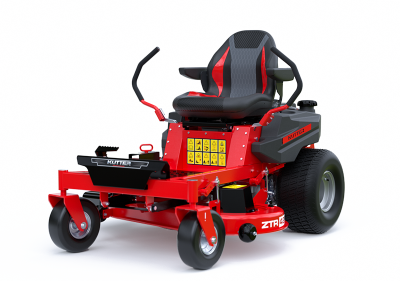
ZTR-42E
hot selling index

LT-42R
hot selling index