
 Español
 العربية
 Francés
 Русский
 Português
 Deutsch
 Italiano
 Polski
 Malay
Malay
 日本語
日本語
 한국어
한국어
 Nederlands
 Indonesia
 български
 Українська
 فارسی
فارسی
 اوردو
اوردو
 тоҷикӣ
 বাংলা
বাংলা







Stamped vs Fabricated Mower Deck: Strength, Airflow & Cost
The stamped vs fabricated deck decision is often dismissed as "heavy is better." That oversimplification costs money. A stamped deck on a suburban half-acre saves weight and upfront cost. A fabricated deck on a 60-hour/week commercial route survives what would crack a stamped shell in one season. The real question: what kind of damage will your deck actually see?
On This Page
At a Glance: Stamped vs Fabricated
| Factor | Stamped Deck | Fabricated Deck |
|---|---|---|
| Construction | Single sheet press-formed | Cut steel plates, welded assembly |
| Typical gauge | 10–12 gauge (residential) | 7 gauge (commercial KUTTER spec) |
| Internal surface | Smoother contours, fewer seams | Weld seams present; deep geometry possible |
| Impact resistance | Thinner — dents from curbs/roots common | Reinforced — designed to absorb impact |
| Airflow design | Smoother baffle-less flow possible | Deep-chamber with engineered baffling |
| Repairability | Hard to patch once geometry distorts | Localized weld repair possible |
| Best for | Residential lawns, <100 hrs/yr | Commercial routes, 500+ hrs/yr |
Introduction
The stamped vs fabricated deck decision is often dismissed as "heavy is better." That oversimplification costs money. A stamped deck on a suburban half-acre saves weight and upfront cost. A fabricated deck on a 60-hour/week commercial route survives what would crack a stamped shell in one season. The real question: what kind of damage will your deck actually see?
What is a Stamped Deck?
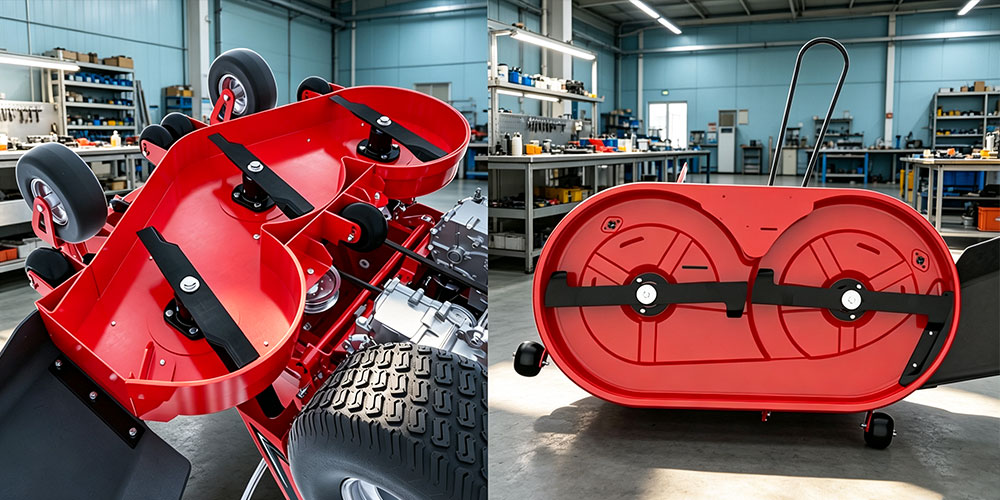
A stamped deck is formed from sheet steel using a press. The process can create smooth internal contours with fewer welded seams, which may support airflow and reduce places where debris collects. Stamping is efficient at production scale and is common across residential and some commercial machines. Performance varies with material thickness, shape and reinforcement.
What is a Fabricated Deck?
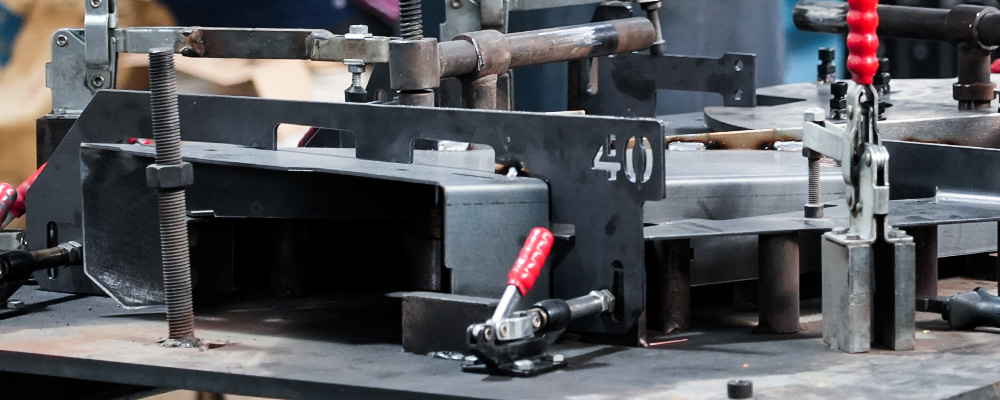
A fabricated deck is assembled from cut and formed steel components, typically joined by welding. This approach allows manufacturers to add reinforcement in high-load areas and create robust structures for demanding use. It can also make localized repair more practical in some markets. Weld quality, design and corrosion protection still matter; the label alone does not guarantee durability.
Steel gauge10–12
WeightLighter
CostLower upfront
RepairDifficult
Best useResidential
Steel gauge7 (commercial)
WeightHeavier
CostHigher upfront
RepairLocalized weld
Best useCommercial
Cut Quality and Airflow
Cut quality depends on blade tip speed, deck depth, baffling, discharge path, blade condition, travel speed and turf volume. A smooth stamped shell can offer efficient airflow, while a well-engineered fabricated deck can use deep geometry and baffles to manage heavy grass. Compare actual cut results in the target conditions rather than judging only by construction type.
Impact Resistance and Service Life
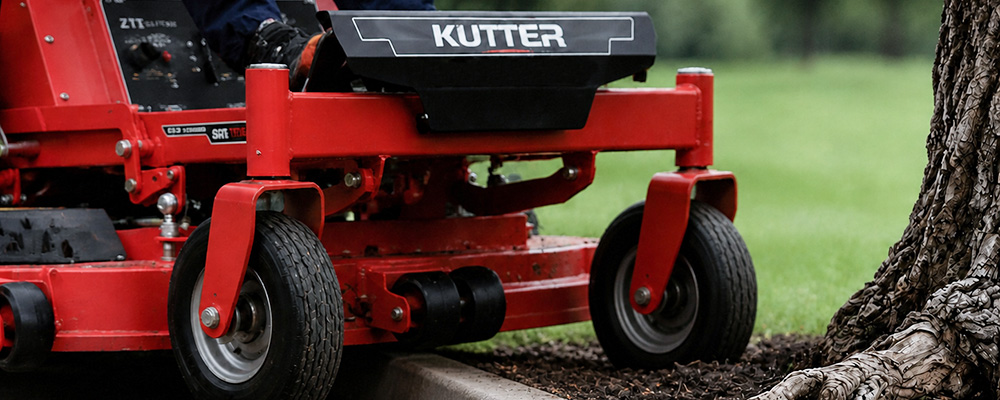
Frequent contact with curbs, roots, debris and trailer ramps increases structural loads. Reinforced fabricated decks are often chosen for this environment. Lighter residential work may not need the same mass. Inspect the leading edge, spindle mounting areas, anti-scalp wheel brackets and discharge opening, because concentrated stress matters more than a broad marketing label.
Repairability and Cost
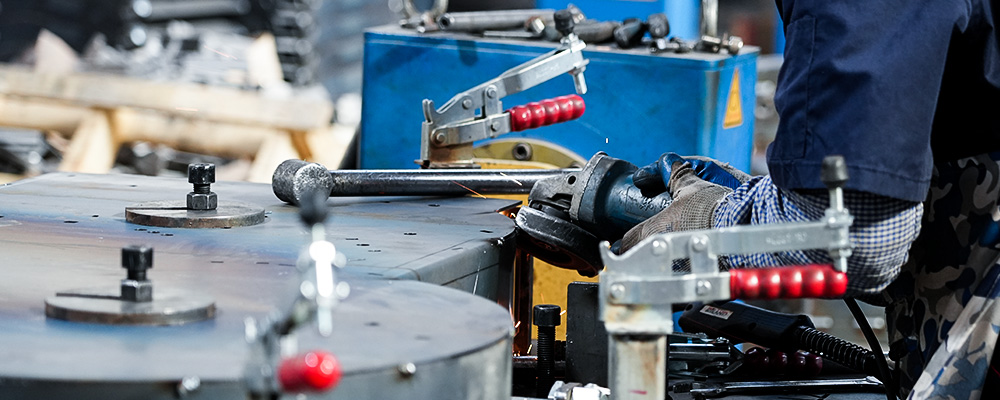
A fabricated assembly may allow a qualified shop to repair or replace a localized section, subject to manufacturer guidance and safe welding practice. A damaged stamped shell can be more difficult to restore if its formed geometry is distorted. Ownership cost should include purchase price, corrosion control, cleaning access, spindle service, replacement parts and downtime.
Commercial vs Residential Fit
Choose around duty cycle and consequences of downtime. High weekly hours, rough sites and professional transport may favor a reinforced fabricated design. Lower hours, smooth lawns and strong emphasis on weight or price may favor a stamped design. Review the complete machine, not the deck in isolation: engine, transmission, frame and dealer support must match the same workload.
KUTTER Example and Configuration
The ZTR-72C specification lists a fabricated 72-inch deck with three blades. See ZTR-72C deck specifications. OEM buyers considering deck architecture as one engineering choice can use the zero turn mower configuration matrix.
What to Ask Before You Buy (Any Deck, Any Brand)
What gauge is the deck steel? 7-gauge (~4.5 mm) for commercial; 10–12 gauge for residential
Where are the weld seams? Inspect around spindle mounts, leading edge, and discharge opening
How thick is the reinforcement? Look for added plate at common impact zones
Can I access the spindles and belts without removing the deck? Service time matters
Is replacement sheet metal stocked locally? A three-week backorder kills a season
Has the deck been cut-tested in turf similar to yours? Bench specs don't equal real-world dispersion
Maintain either construction using the zero turn mower maintenance schedule — a neglected fabricated deck rusts just as fast as a neglected stamped one.
Frequently Asked Questions
Is a fabricated deck always better?
No. A poorly welded fabricated deck with thin-gauge steel and no reinforcement is worse than a well-designed stamped deck with proper structural ribs. "Fabricated" describes a manufacturing process, not a quality guarantee. Judge the actual gauge, weld quality, and reinforcement — not the label.
Can you repair a stamped mower deck?
Yes, but it is harder than repairing a fabricated deck. Once stamped sheet metal is creased or torn, restoring the original geometry requires significant skill. Most shops will quote a replacement shell. Fabricated decks, by contrast, can often be patched or re-welded at a local shop without removing the entire deck assembly.
What gauge steel is best for a commercial zero turn?
For commercial machines running 40+ hours per week, look for 7-gauge (~4.5 mm) on the deck shell with heavier reinforcement at the spindle mounts and leading edge. The KUTTER ZTR-72C uses a 7-gauge fabricated deck rated for the 72-inch cutting width. Residential machines typically ship with 10–12 gauge.
Does deck material affect cut quality?
Indirectly. A thicker fabricated deck resists flex under load, maintaining consistent blade-to-ground geometry. A thin stamped deck can distort slightly over rough terrain, changing blade pitch. But the largest factor in cut quality is blade tip speed, baffle design, and operator speed — not deck material alone.
When does a fabricated deck make financial sense?
The rule of thumb: if deck damage has cost you more than one day of billable hours in the past year, a fabricated deck is probably worth the premium. For crews running 500+ annual hours on rough, obstacle-heavy properties, the fabricated deck's impact resistance and repairability pay back inside the first season of avoided downtime.
Bottom Line
Stamped decks win on weight and initial cost when the workload is light and the terrain is smooth. Fabricated decks win on repairability and impact resistance when the workload is commercial and the site is rough. Match the deck to the actual route, not to the price tag.
Once you know your deck requirement, browse commercial zero turn mowers to compare complete machine specifications.

Need Help Choosing the Right Deck?
Our engineers can match deck construction to your route, terrain, and hourly targets.
Contact Us
Related Products

CH7
hot selling index

ZTR-54C
hot selling index