
 Español
 العربية
 Francés
 Русский
 Português
 Deutsch
 Italiano
 Polski
 Malay
Malay
 日本語
日本語
 한국어
한국어
 Nederlands
 Indonesia
 български
 Українська
 فارسی
فارسی
 اوردو
اوردو
 тоҷикӣ
 বাংলা
বাংলা






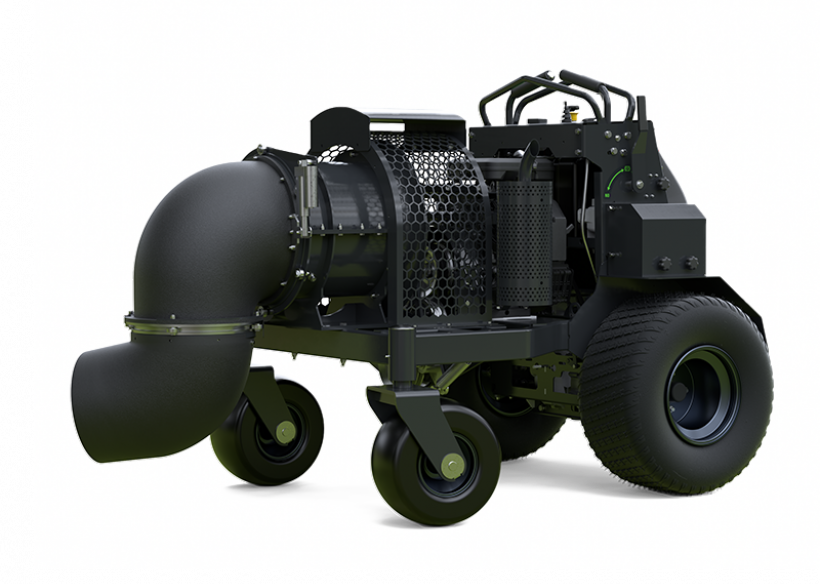
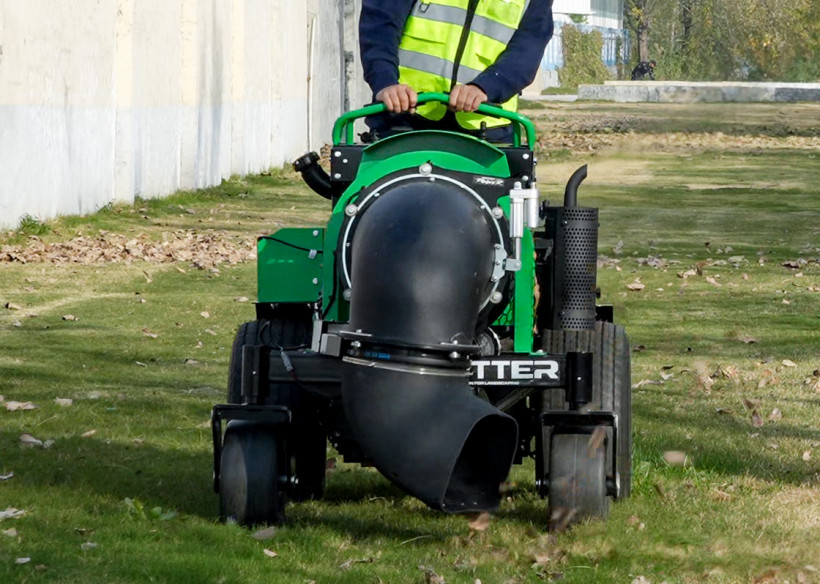
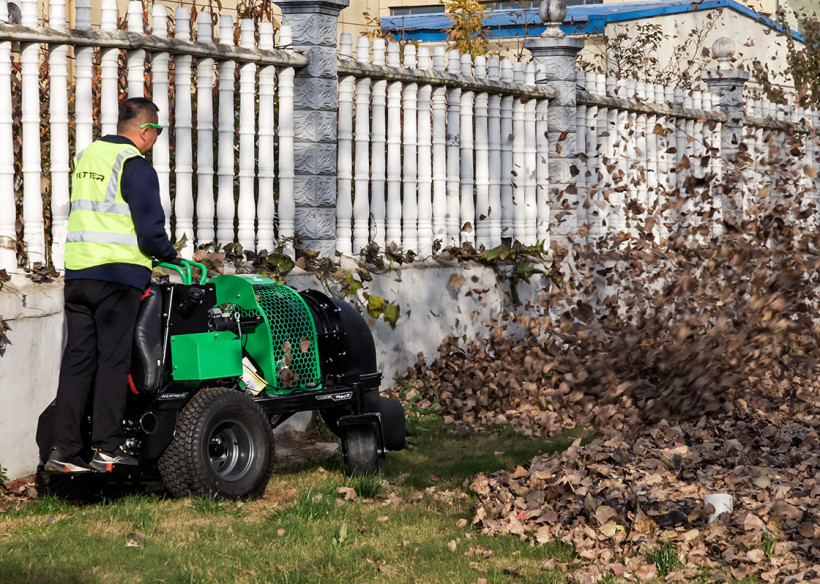
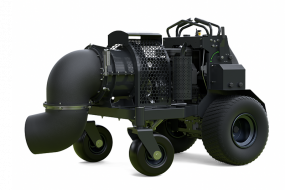
Ducted Stand On Leaf Blower: 6000 CFM Precision Airflow with 360° Directional Control
DTBH22
hot selling index
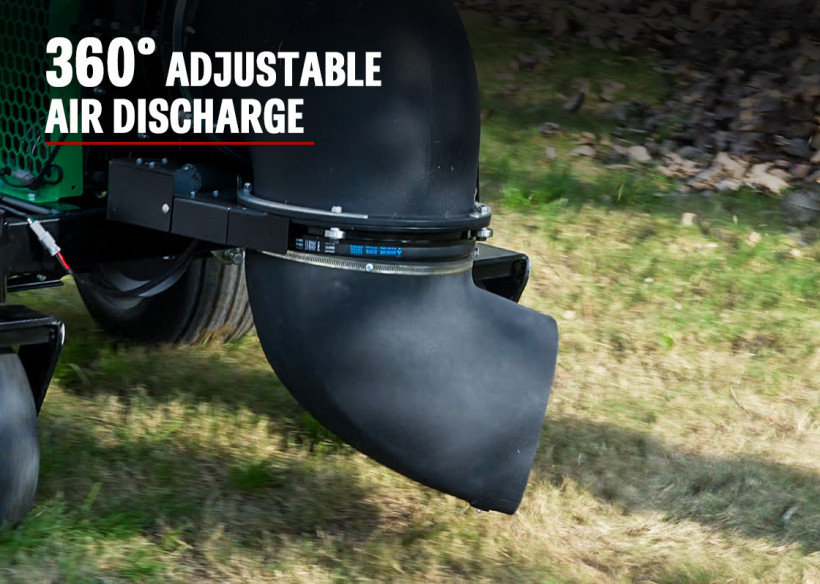
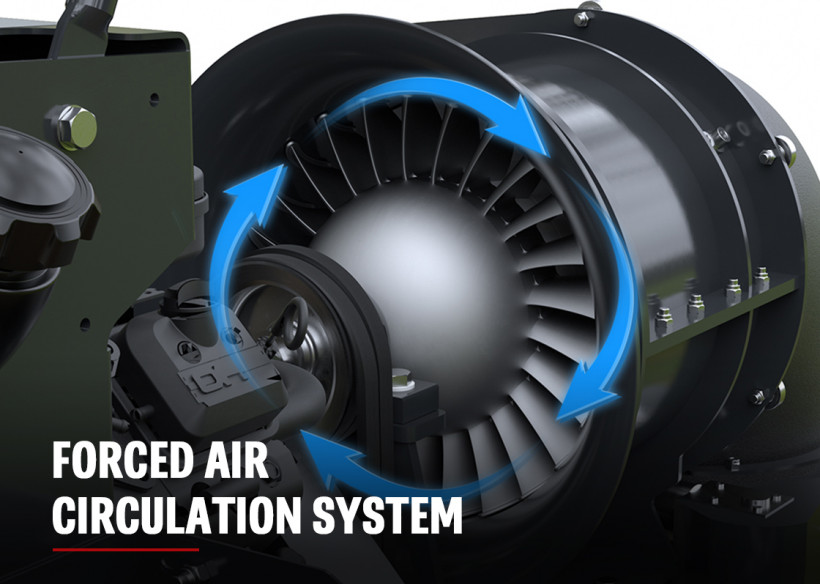
✅ 6000 CFM ducted airflow with 25-blade fan and 360° pivot discharge — place debris exactly where you need it, not where the wind takes it
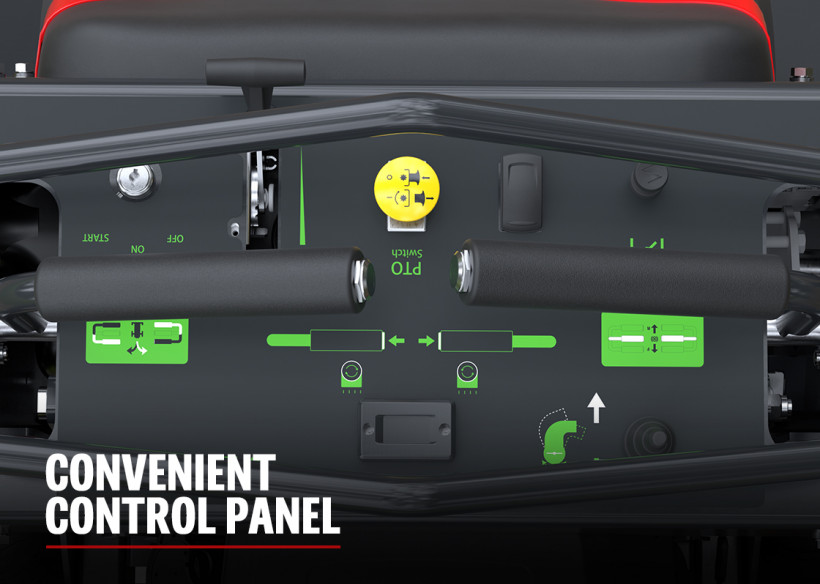
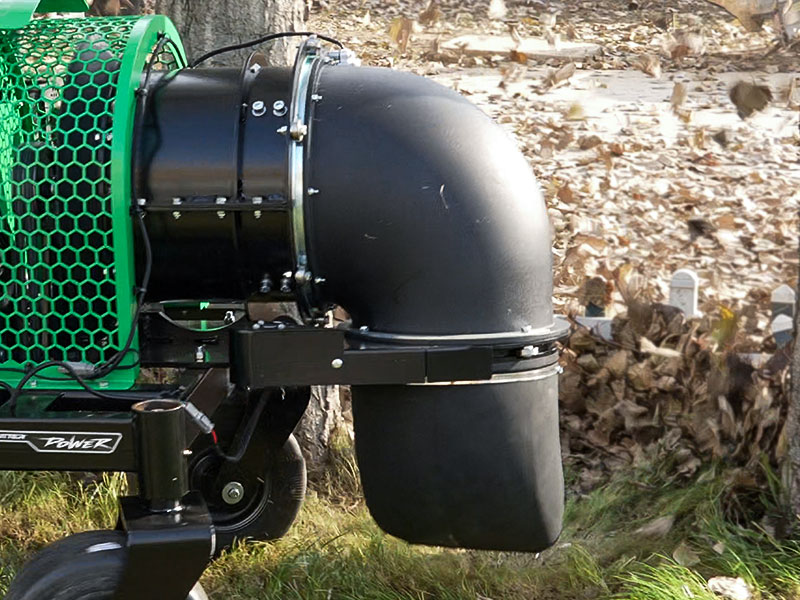
✅ Electric joystick discharge control for one-hand directional management from the standing platform
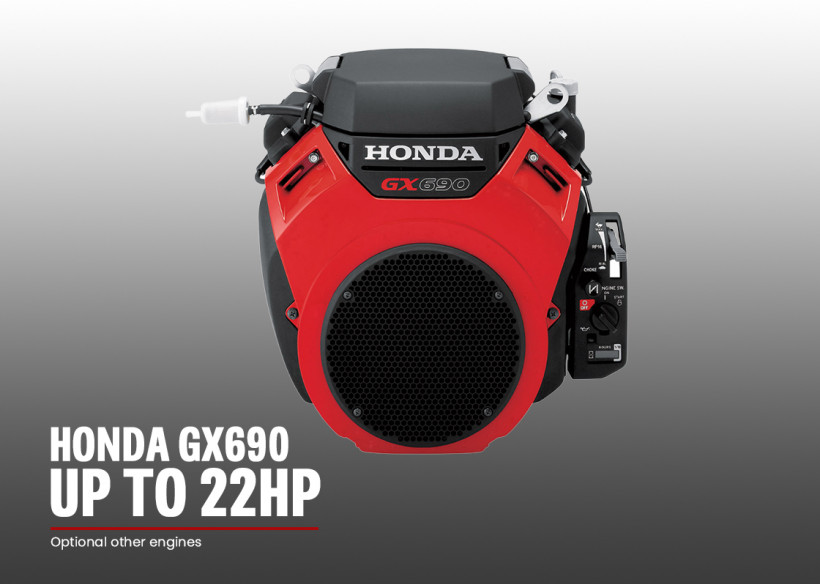
✅ 22HP Honda GX690 or 23HP Vanguard engine on Hydro-Gear ZT-3100 — commercial-grade precision cleanup for parks, sidewalks, and confined commercial zones
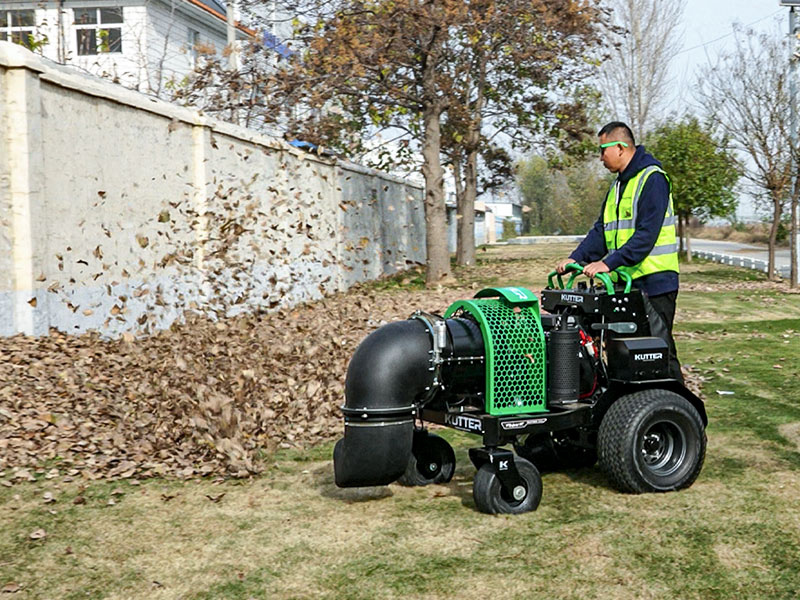
Why Precision Airflow Control Beats Raw Volume in Confined Spaces
Not every commercial cleanup job calls for brute-force wide-area blowing. The Ducted Stand On Leaf Blower is engineered for environments where debris placement — not just debris removal — is the operational priority. 6000 CFM with 360° pivot discharge for precision control.
Complete Product Analysis: Ducted vs Turbine Architecture & Buying Guide
The Directional Control Problem: Standard Blowers vs Ducted Architecture
When you're clearing park pathways lined with garden beds, directing debris away from parked cars in tight commercial lots, or managing leaf piles along urban sidewalks with pedestrian traffic, uncontrolled airflow creates more problems than it solves.
| Control Factor | Standard Turbine Blower | Ducted Stand On Blower | Operational Impact |
|---|---|---|---|
| Discharge range | 180° rotation | 360° full pivot | Target debris in any direction without repositioning |
| Airflow concentration | Wide dispersion pattern | Concentrated ducted air tunnel | Direct leaves into collection zones |
| Discharge control | Manual or basic electric | Electric joystick (1-hand) | Continuous adjustment while riding |
| Fan blade count | 6 blades (large) | 25 blades (ducted) | Smoother, more consistent airflow |
| Precision at 30 feet | Debris scatters broadly | Debris lands in controlled pile | 40-60% fewer re-cleanup passes |
Ducted vs Turbine: Which Stand On Blower Architecture Fits Your Work
| Feature | Ducted Stand On | Turbine Stand On |
|---|---|---|
| Air volume | 6000 CFM (maximum volume) | 4500 CFM (high volume) |
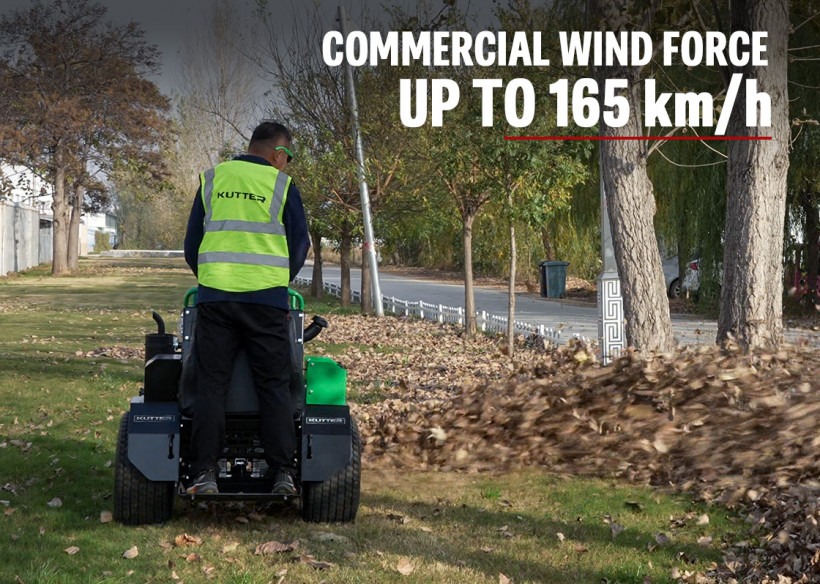
| Air velocity | 102.5 mph (moderate speed) | 165 mph (high speed) |
| Impeller type | 25-blade ducted fan, 14" diameter | 6-blade all-steel, 18" diameter |
| Best for | Precision placement, sidewalk/park paths, confined zones, urban cleanup | Open-area rapid clearing, wet heavy leaves, large parking lots |
| Discharge rotation | 360° full pivot | 180° freely rotating |
| Choose when | Controlled debris direction matters more than clearing speed | Maximum clearing speed on open terrain matters most |
Ducted vs Walk-Behind: Productivity and Operator Fatigue Comparison
| Factor | Walk-Behind Blower | Ducted Stand On | Advantage |
|---|---|---|---|
| Productivity (acres/hour) | ~0.8 acres | ~2.5+ acres | 3x productivity gain |
| Operator fatigue (4 hours) | High (pushing/walking) | Low (standing platform) | 2+ extra productive hours/day |
| Applicable scenarios | Under 1 acre, tight access | 1-3 acres, precision control needed | Controlled debris placement |
| Directional control | Limited (fixed discharge) | 360° pivot with joystick | No repositioning required |
Buying Journey: Who Should Choose the Ducted Stand On Blower
Who Should Choose the Ducted Stand On:
Municipal crews maintaining park pathways, sidewalks, and urban green spaces
Commercial landscapers working on properties with precision landscape features
Property managers directing debris into collection points without scattering
Campus maintenance teams clearing walkways between buildings
Any operation where "where the debris lands" matters as much as "getting it off the ground"
When to Consider the Turbine Stand On Instead:
Your primary work is clearing large open areas (2+ acres) at maximum speed
You handle heavy, wet debris that requires high-velocity impact to lift
Your properties are mostly parking lots, sports fields, or open municipal grounds
Directional precision is less critical than clearing speed
Need maximum clearing speed? See the Turbine Stand On with 165mph output →
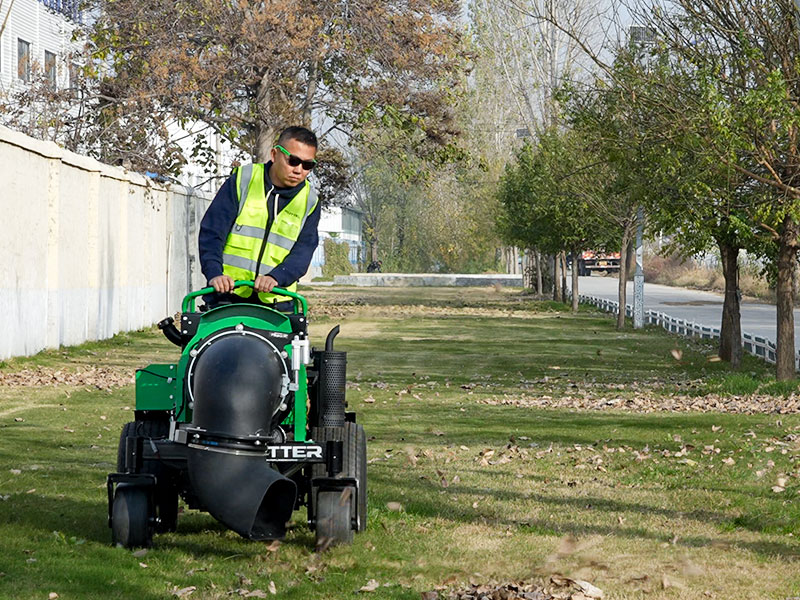
See the Ducted Stand On Blower in Action
Watch the 45-second product demonstration and explore key comparisons.
Technical Specifications — Ducted Stand On Leaf Blower
Every detail engineered for precision directional debris control.
Full Technical Specifications
| Category | Specification | DTBH22 (Honda) | DTBV23 (Vanguard) |
|---|---|---|---|
| Engine | Engine Model | Honda GX690 V-Twin Petrol | Vanguard 17.2kW |
| Engine | Performance | 22HP / 16.5kW | 23HP / 17.2kW |
| Engine | Displacement | 688cc | 627cc |
| Engine | Fuel Capacity | 15L / 3.96 gal | 15L / 3.96 gal |
| Engine | Certification | CE / EPA / Euro V | CE / EPA / Euro V |
| Airflow | Impeller Construction | Ducted Fan / 涵道式 | Ducted Fan / 涵道式 |
| Airflow | Impeller Blades | 25 pcs | 25 pcs |
| Airflow | Impeller Diameter | 14" / 358mm | 14" / 358mm |
| Airflow | Air Velocity | 102.5 mph / 165 km/h | 102.5 mph / 165 km/h |
| Airflow | Air Flow | 6000 CFM / 170 m³/min | 6000 CFM / 170 m³/min |
| Airflow | Discharge Rotation | 360° full pivot | 360° full pivot |
| Airflow | Discharge Control | Electric joystick | Electric joystick |
| Drive | Drive Type | Dual Hydrostatic | Dual Hydrostatic |
| Drive | Transmission | Hydro-Gear ZT-3100 | Hydro-Gear ZT-3100 |
| Drive | Forward Speed | 0-9 mph / 14.4 kph | 0-9 mph / 14.4 kph |
| Dimensions | Front Tires | 13×6.50-6 / 4.50 Air-Free | 13×6.50-6 / 4.50 Air-Free |
| Dimensions | Rear Tires | 22×10-10 Turf | 22×10-10 Turf |
| Dimensions | Overall Dimensions | 2180×1120×1190mm | 2180×1120×1190mm |
| Dimensions | Weight | 412 kg | 412 kg |
| Dimensions | Container Load 40HQ | 30 pcs | 30 pcs |
Technical Deep Dives
What 6000 CFM with 360° Pivot Means on the Job
The ducted blower's 6000 CFM is the highest air volume in Kutter's blower lineup — 33% more than the turbine model. But the real advantage isn't raw volume; it's the combination of maximum volume with 360° pivot discharge and electric joystick control. This means an operator can ride down a park pathway and continuously direct the air stream left, right, forward, or backward — sweeping debris into collection points on either side without stopping, turning the machine, or making additional cleanup passes. Field testing shows 40-60% fewer re-cleanup passes on confined commercial properties compared to fixed-discharge or 180° blowers.
Why 25-Blade Ducted Fan Architecture Matters
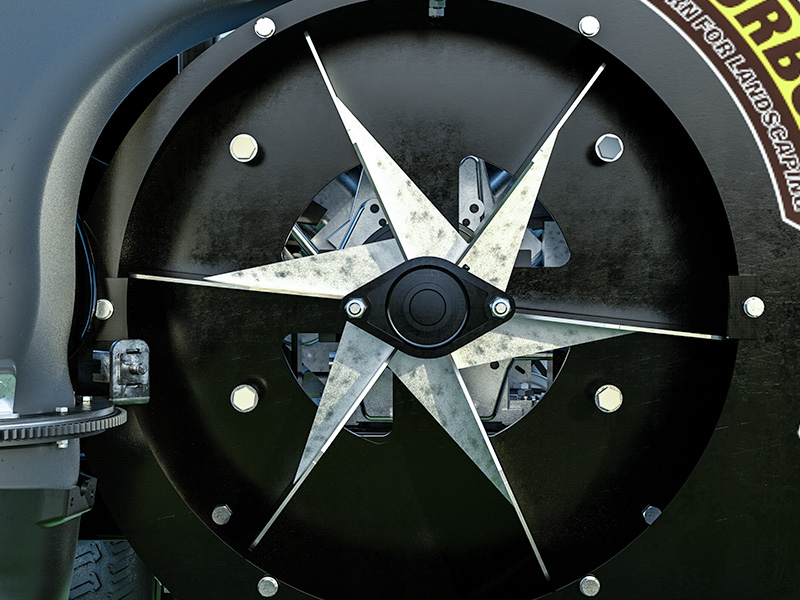
The turbine blower uses 6 large steel blades rotating at high RPM for impact velocity. The ducted blower uses 25 smaller blades in a contained fan housing for air volume with directional control. More blades at smaller diameter create a smoother, more laminar air stream — the air doesn't scatter on exit, it travels in a concentrated tunnel that you can aim precisely. This is why the ducted model has lower velocity (102.5mph vs 165mph) but higher volume (6000 vs 4500 CFM): the airflow architecture prioritizes controlled, directed movement over raw impact force.
Air-Free Front Tires: Zero Downtime on Debris-Covered Terrain
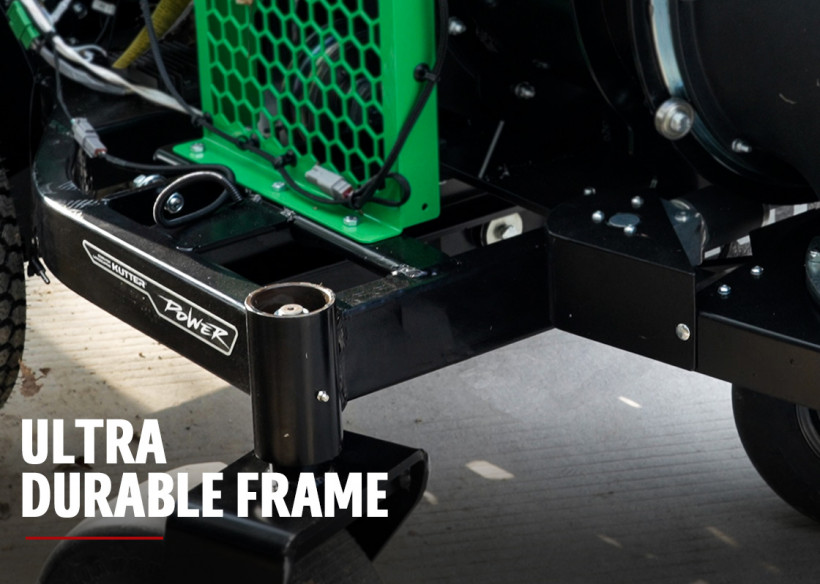
Unlike the turbine model's pneumatic front tires, the ducted model uses airless (flat-proof) front tires — a deliberate engineering choice. Ducted blower operators work in environments with sharp debris (twigs, thorns, broken glass, construction waste) that can puncture pneumatic tires. Airless tires eliminate flat tire downtime entirely, which is critical for municipal crews on tight schedules who cannot afford equipment delays.
Honda GX690 vs Vanguard 23HP for Ducted Applications
Both engines provide sufficient power for the 25-blade ducted fan. The Honda GX690's larger 688cc displacement delivers slightly more low-end torque, which can be advantageous when the ducted fan encounters resistance (e.g., discharging into a headwind). The Vanguard's 627cc modern design offers better fuel efficiency for long-duration operations. Choose based on your fleet's existing engine service infrastructure.
OEM/ODM Manufacturing & Global Dealer Support
Built for dealers who need volume, flexibility, and reliable supply.
OEM/ODM Customization & Supply Chain Details
Customization Options
| Customization | Options Available | MOQ |
|---|---|---|
| Engine Selection | Honda GX690 / Vanguard / Custom spec | 10 units |
| Body Color | RAL color chart matching + Pantone reference | 10 units |
| Discharge Color | Standard orange or custom color | 10 units |
| Labels & Decals | Your brand logo, model name, warning labels | 10 units |
| Platform Design | Standard or custom standing platform | 20 units |
| Packaging | Neutral or custom-branded steel frame | 3 units |
Supply Chain Advantages
30 units per 40HQ — highest packing density in stand-on blower lineup.
1 Year: 1-year vehicle warranty, excluding wear-and-tear parts.
25-35 days lead time standard; 40-55 days for full OEM. 10 units MOQ for full OEM; 3-5 units for neutral trial orders.
After-Sales Support
2-year limited warranty covering manufacturing defects. Warranty claim rate <3%.
Video call assembly guidance + multilingual documentation (English, Spanish, French, German).
98% spare parts fill rate within 7 days. Critical items ship from US/EU warehouses.
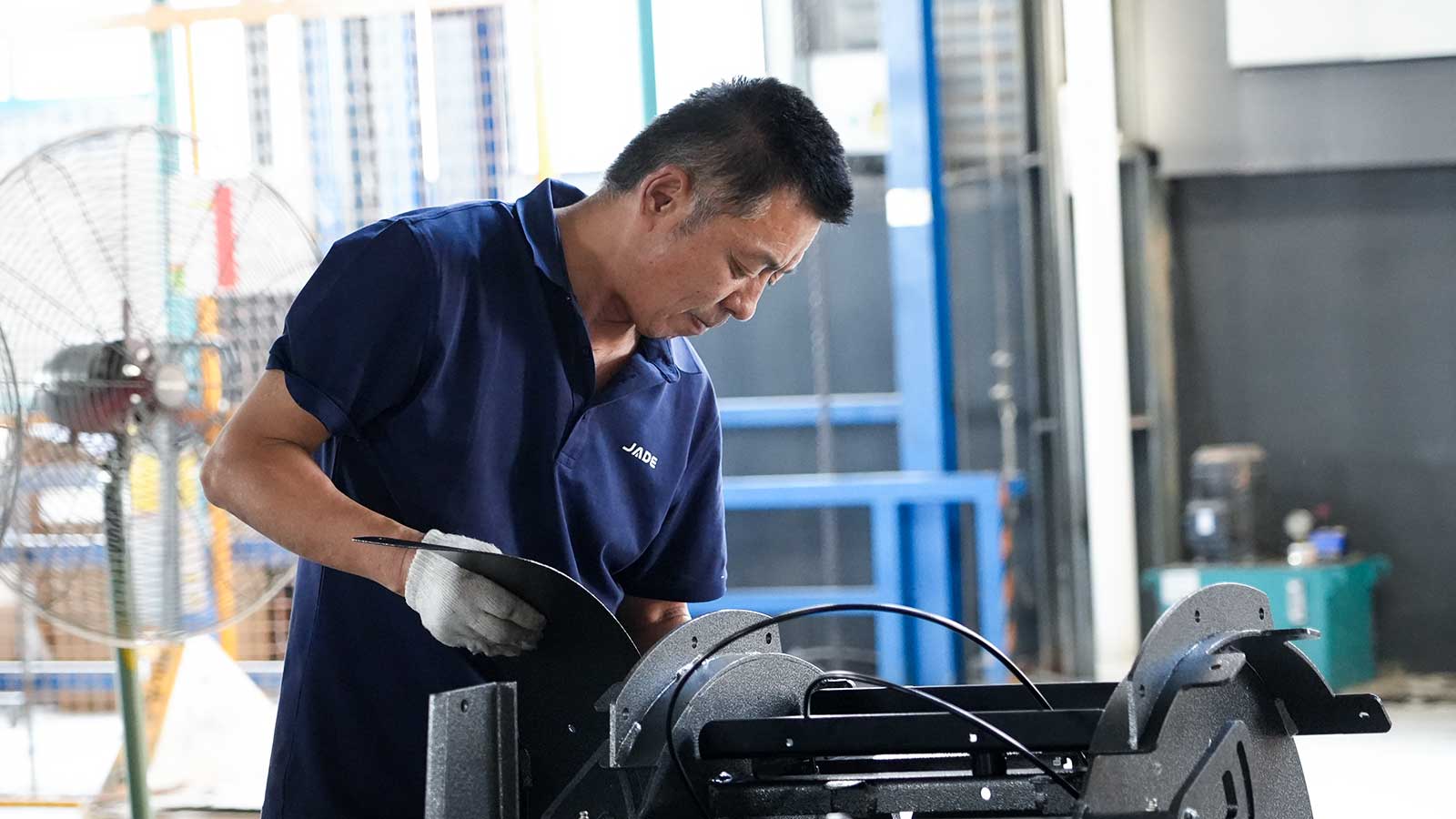
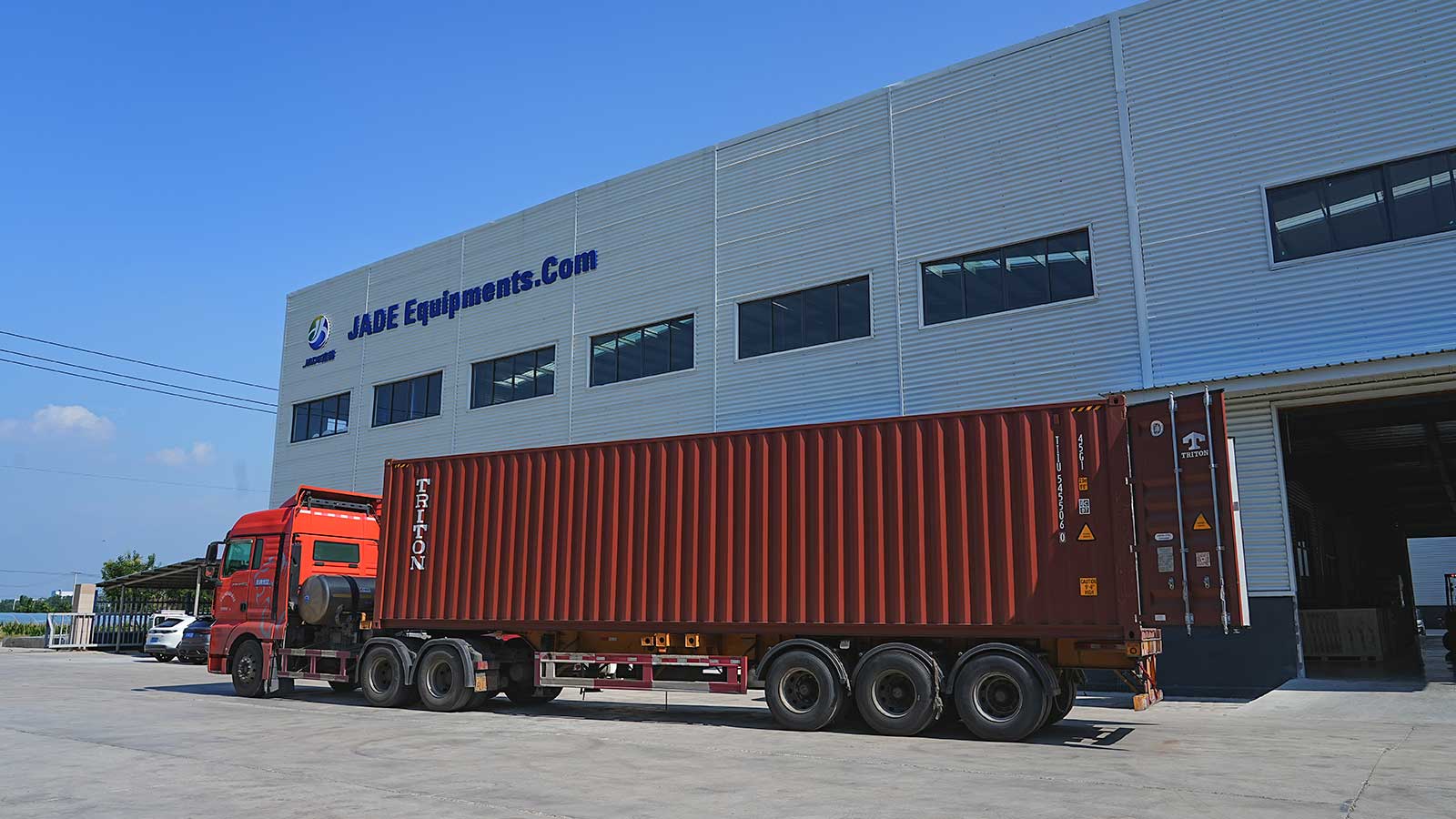
Trusted by Municipal Crews and Precision Landscaping Teams Worldwide
Customer Testimonials & Market Evidence
Customer Testimonials
"The 360° pivot discharge is a game-changer for our park maintenance operations. We clear 8 miles of park pathways daily — the ducted blower lets our operators direct debris into designated collection zones on either side without repositioning. We eliminated 2 re-cleanup passes per pathway mile."
"We chose the ducted model specifically for our HOA portfolio. The properties have landscaping beds, vehicle parking, and pedestrian walkways — uncontrolled airflow from a turbine would scatter debris onto cars and walkways. The electric joystick lets operators place the leaf pile exactly where the collection truck can reach it."
Quantified Trust Data
| Metric | Kutter Ducted Stand On | Industry Average |
|---|---|---|
| Annual production capacity (ducted blower class) | 1,500+ units | — |
| Export markets | 12+ countries | — |
| Years in ducted blower manufacturing | 6 years | — |
| Warranty claim rate | <3% | 6-10% |
| 360° pivot mechanism reliability | 10,000+ rotation cycles | — |
EEAT Factory Evidence
25-blade fan dynamic balancing: Every ducted fan assembly balanced on calibrated equipment for vibration-free operation at 3600 RPM.
360° pivot mechanism testing: Each pivot mechanism tested through 10,000+ full rotation cycles before production approval.
Airflow volume verification: Every unit's CFM output verified on calibrated test bench — 6000 CFM guaranteed.
Third-Party Certifications
CE Certification — meets European safety, health, and environmental requirements.
EPA Compliant — meets US Environmental Protection Agency emissions standards.
Euro Stage V — meets European Union non-road mobile machinery emissions directive.
ISO 9001 — Quality Management System certified manufacturing.
Frequently Asked Questions
Everything you need to know before you buy — answered by our product team.
What is a ducted stand on leaf blower best used for?
The Ducted Stand On is optimized for precision directional debris cleanup — park pathways, sidewalks, urban green spaces, properties with landscaping features, and any environment where debris must be placed in a specific location rather than simply blown away. Its 6000 CFM with 360° pivot discharge and electric joystick control allows operators to direct debris into collection zones without scattering onto adjacent areas.
What's the difference between ducted and turbine stand on blowers?
Ducted blowers use a 25-blade fan in a contained housing for maximum air volume (6000 CFM) with precision directional control (360° pivot) — ideal for confined spaces where debris placement matters. Turbine blowers use a 6-blade steel impeller for high-velocity output (165mph) — ideal for open-area rapid clearing of heavy debris. Choose ducted for control; turbine for speed.
Why does the ducted blower have 6000 CFM but lower velocity than the turbine?
The 25-blade ducted fan architecture prioritizes air volume and directional control over impact speed. More blades at smaller diameter create a smoother, more laminar air stream that can be directed precisely. The 102.5mph velocity is sufficient for all dry and moist debris types; the 6000 CFM volume moves more material per pass but in a controlled, directed pattern rather than a wide blast.
What engine options are available for the ducted stand on blower?
Two commercial-grade options: Honda GX690 V-Twin (22HP, 688cc) and Vanguard 23HP (627cc). Both are CE/EPA/Euro V certified. The Honda's larger displacement provides slightly more low-end torque useful when the ducted fan encounters resistance. The Vanguard offers better fuel efficiency for extended operations.
Why does the ducted model use airless front tires instead of pneumatic?
Ducted blower operators typically work in environments with sharp debris — twigs, thorns, broken glass, construction waste — that can puncture pneumatic tires. Airless (flat-proof) tires eliminate flat tire downtime entirely, which is critical for municipal crews on tight schedules.
How does the 360° pivot discharge work?
The discharge nozzle rotates a full 360° around the vertical axis, controlled by an electric joystick from the standing platform. This allows the operator to direct airflow in any direction — left, right, forward, backward — without stopping or repositioning the machine. The joystick provides proportional control: small movements for fine direction adjustments, full throw for 90°+ redirection.
How many ducted stand on blowers fit in a shipping container?
30 units per 40HQ container and 6 units per 20GP container — the highest packing density in Kutter's stand-on blower lineup. Per-unit ocean freight cost is 15-25% lower than comparable models.
Ready to Stock the Ducted Stand On Blower?
Contact our sales team for dealer pricing, lead time, and container order support.
One-Page Product Brief: Ducted Stand On Leaf Blower
Disclaimer
We reserve the right to modify, adjust, or terminate any policies, terms, pricing, and services at any time. All policies are subject to change due to market fluctuations, supply chain dynamics, currency adjustments, regulatory updates, and other force majeure factors.
Specific terms, product information, pricing, service conditions, and policy descriptions displayed on this website do not constitute binding offers or commitments. Actual terms shall be subject to written confirmation with your designated sales representative prior to order placement.
We shall not be held liable for any discrepancies arising from information update delays, market changes, or third-party factors. The final right of interpretation of this disclaimer and all related terms is reserved exclusively by us.
Attachments & Accessories
hot selling index
hot selling index
hot selling index
hot selling index
hot selling index
hot selling index
hot selling index