
 Español
 العربية
 Francés
 Русский
 Português
 Deutsch
 Italiano
 Polski
 Malay
Malay
 日本語
日本語
 한국어
한국어
 Nederlands
 Indonesia
 български
 Українська
 فارسی
فارسی
 اوردو
اوردو
 тоҷикӣ
 বাংলা
বাংলা






Hydro-Gear Transmission: EZT-2200 vs ZT-2800 vs ZT-3400
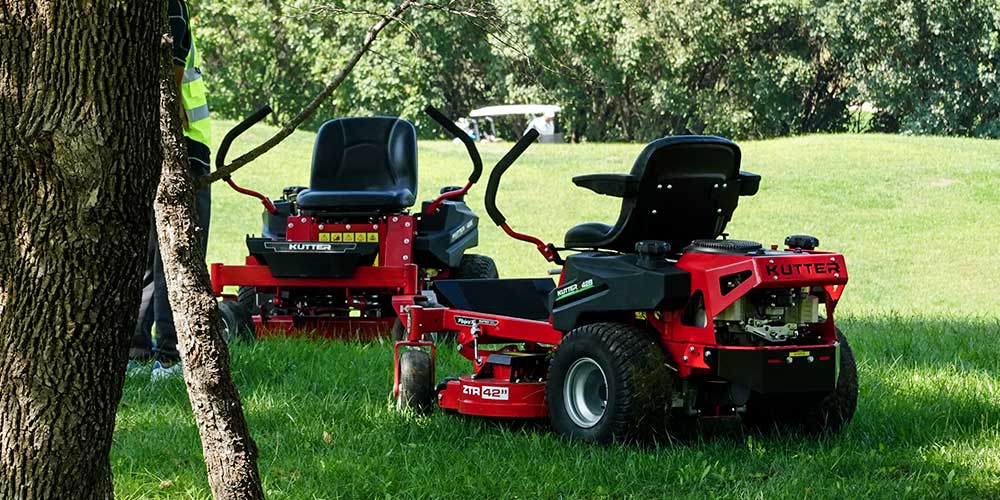
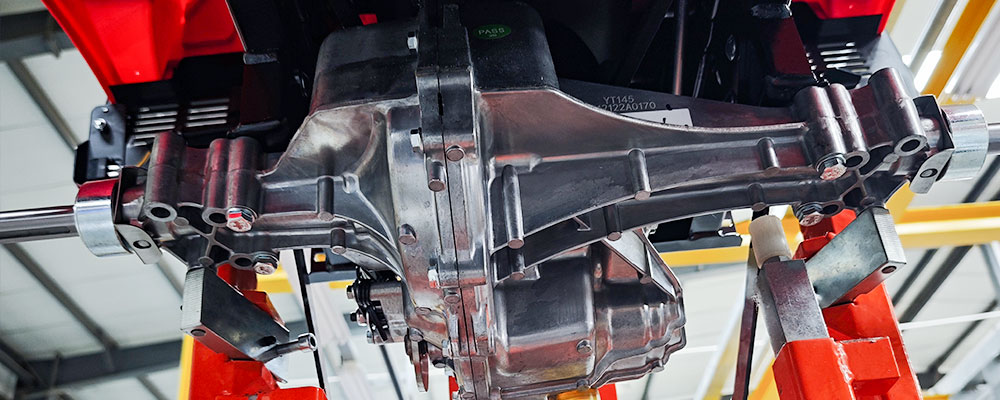
Hydro-Gear is the dominant name in hydrostatic transmissions for residential and light-commercial zero turn mowers. If you own a zero turn from a major brand, there is a good chance it uses a Hydro-Gear transaxle. But not all Hydro-Gear units are the same. The EZT-2200, ZT-2800, and ZT-3400 are designed for different workloads, lifespans, and price points.
This article explains how each transmission fits into a zero turn mower, what they have in common, and what separates them.
On This Page
How a Hydro-Gear Transmission Works
A Hydro-Gear hydrostatic transmission uses a variable displacement pump and a hydraulic motor to convert engine power into wheel motion. The operator controls speed and direction by moving lap bars, which change the pump's displacement. There are no mechanical gears to shift, which is why zero turn mowers are so easy to operate.
The main components are:
Pump: Driven by the engine, creates hydraulic pressure
Motor: Converts hydraulic pressure back into rotational motion
Transaxle housing: Holds the motor, axles, and wheel hubs in one unit
Hydraulic fluid: Transfers power and lubricates internal parts
The quality of those internal components determines how long the transmission lasts and how much heat it can handle.
EZT-2200: The Residential Standard
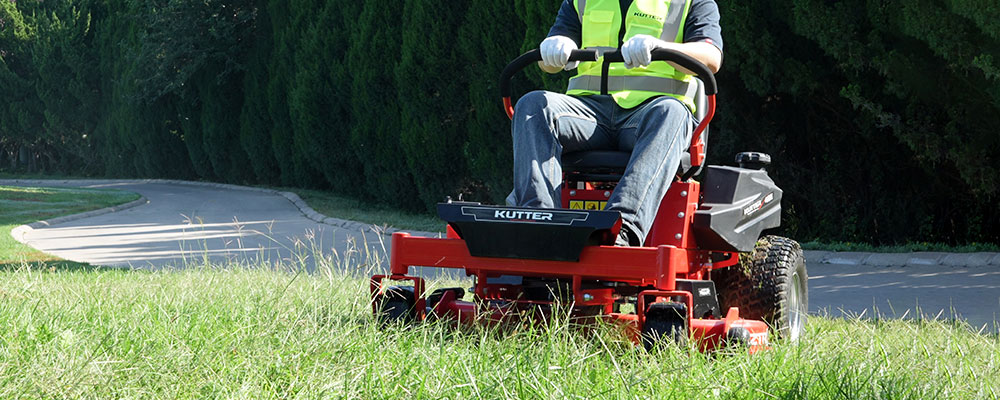
The Hydro-Gear EZT-2200 is the most common residential zero turn transmission. It is used in the ZTR-42B, ZTR-50B, and many competing 42–50 inch residential mowers.
ZT-2800: The Semi-Commercial Upgrade
The ZT-2800 is the upgrade path for property managers, estate owners, and small commercial operators. It is available as an option on the ZTR-50B-Pro and standard on many commercial machines.
ZT-3400: The Commercial Duty Unit
The ZT-3400 is used on commercial-grade mowers like the Kutter ZTR-48C, ZTR-54C, and ZTR-62C. It is overkill for residential use but essential for landscapers.
Transmission Comparison Table
| Feature | EZT-2200 | ZT-2800 | ZT-3400 |
|---|---|---|---|
| Best for | Homeowners | Estate/semi-commercial | Commercial landscapers |
| Weekly hours | Up to 10 | Up to 25 | 30+ |
| Kutter models | ZTR-42B, ZTR-50B | ZTR-50B-Pro (optional), ZTR-48C | ZTR-54C, ZTR-62C, ZTR-72C |
| Cooling | Standard | Enhanced | High-capacity |
| Service life | 800–1,500 hrs | 1,500–2,500+ hrs | 2,500–4,000 hrs |
| Maintenance frequency | Standard | Standard | Frequent |
| Typical upgrade reason | Not needed | Heavy weekly use | Commercial schedule |
What Causes Hydro-Gear Transmission Failure
Most transmission failures are not manufacturing defects. They are caused by one of these four issues:
Overheating: Running the mower at full speed in heavy grass or on steep hills for extended periods without letting the transmission cool. The fluid breaks down, and the seals fail.
Towing: Pulling heavy trailers or equipment places load on the wheel motors that the cooling system isn't designed to handle.
Low or dirty fluid: Old hydraulic fluid loses its ability to transfer heat and lubricate. Manufacturers typically recommend a fluid change after the first 75 hours and then every 500 hours.
Air in the system: Air pockets cause the transmission to feel weak or jerky. This usually happens after a fluid change if the system isn't bled properly.
How to Extend the Life of a Hydro-Gear Transmission
When to Upgrade Your Transmission
You don't need a ZT-2800 because a salesperson recommends it. You need it when your actual use pattern exceeds what the EZT-2200 is designed for. Signs it's time to upgrade include:
You mow more than 10 hours per week, every week
You mow commercially or manage multiple properties
You frequently mow hills, thick grass, or rough terrain
You plan to keep the machine past 1,500 hours
Kutter's Transmission Options
Kutter matches the transmission to the intended use. Residential models use the EZT-2200. The ZTR-50B-Pro offers the ZT-2800 as an option. Commercial models in the ZTR-C series use the ZT-3400 or higher. If you are unsure which transmission fits your schedule, start with the ZTR-50B product page or ZTR-50B-Pro product page for recommended use cases.
Frequently Asked Questions
What is the difference between EZT-2200 and ZT-2800?
The ZT-2800 has larger bearings, a larger oil capacity, and better cooling than the EZT-2200. It is rated for more weekly hours and a longer service life.
How long does a Hydro-Gear transmission last?
An EZT-2200 typically lasts 800–1,500 hours. A ZT-2800 lasts 1,500–2,500+ hours. A ZT-3400 can last 2,500–4,000 hours with proper maintenance.
Can you rebuild a Hydro-Gear transmission?
Yes, authorized service centers can rebuild Hydro-Gear units, but it is often more cost-effective to replace the entire transaxle on residential machines.
What fluid does a Hydro-Gear transmission use?
Hydro-Gear recommends 20W-50 motor oil or a dedicated hydrostatic transmission fluid. Always check the owner's manual for the specific fluid type and capacity.
Can I tow with a zero turn mower?
Towing is generally not recommended with residential transmissions like the EZT-2200. Some commercial models with ZT-3400 units allow limited towing, but check the manufacturer's specifications first.
Final Thoughts
Choosing the right transmission is less about horsepower and more about workload. Match your weekly mowing hours and terrain to the correct Hydro-Gear unit, and the machine will last longer with fewer repairs. For most homeowners, the EZT-2200 is the right choice. For heavy residential or semi-commercial use, the ZT-2800 is worth the upgrade.

Need Help Choosing a Transmission?
We can match your mowing schedule and terrain to the right Hydro-Gear unit — no pressure, just specs.
Talk to a Specialist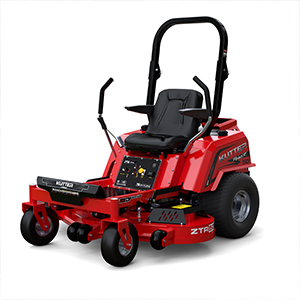
Related Products

LESU24-130
hot selling index
FLA 1220
hot selling index
CS750Pro
hot selling index