
 Español
 العربية
 Francés
 Русский
 Português
 Deutsch
 Italiano
 Polski
 Malay
 日本語
 한국어
 Nederlands
 Indonesia
 български
 Українська
 فارسی
 اوردو
 тоҷикӣ
 বাংলা






Lawn Tractor Grass Collector: When Is the Upgrade Worth It?
Quick answer: A grass collector pays back when the site values a clean finish highly enough, or produces enough material, that collecting beats leaving or mulching clippings — and when the emptying and disposal route is short enough not to eat the saving. It is a poor buy on a low-specification site cut on a relaxed schedule.
This guide is for dealers specifying machines, estate and municipal buyers deciding on an accessory, and contractors weighing whether collection should be standard on their fleet. It will help you decide whether to specify collection on the next machine, and what to check before you quote it.
On This Page
What Is Actually Being Decided?
The decision is an investment one: does the value a collector produces on this site exceed what it costs to buy, empty, maintain and store?
That is a different question from how clippings should be managed. Whether a given site should collect, mulch or discharge depends on grass condition and season, and that is covered in our bagging vs mulching guide. This article assumes collection is the intended method and asks whether the hardware is worth buying.
Collection is also a configuration question before it is a cost question. Not every machine in the lawn tractors range can take the same collector, or take one at all, so the compatibility check below comes before any payback arithmetic.
Two variables decide most cases:
How much the finish matters. On a formal lawn, a hotel terrace or a municipal show piece, leaving clippings is not an option the client accepts.
How far the material has to travel. Emptying time is the cost most buyers underestimate, and it is set by the distance to the disposal point, not by the machine.
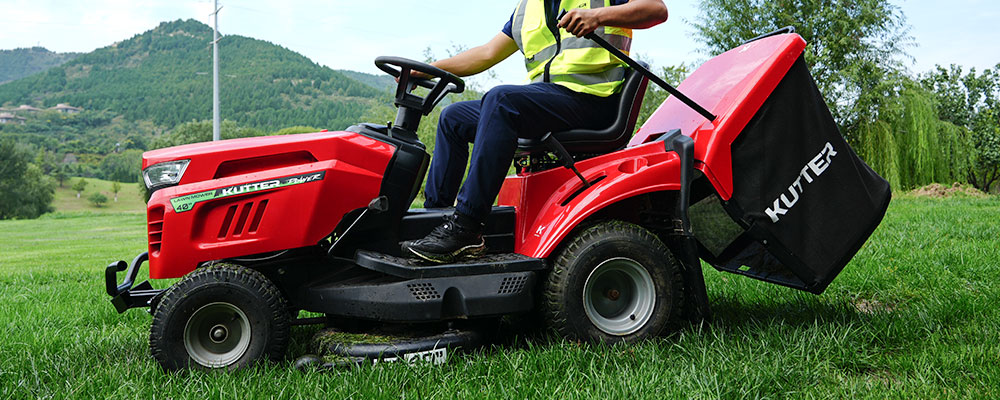
When Is a Grass Collector Worth It?
| Site condition | Verdict | What drives it |
|---|---|---|
| Formal lawn, strict finish standard | Worth upgrading | Clippings must leave; no acceptable alternative |
| Short disposal distance on site | Worth upgrading | Emptying time stays small |
| Weekly cut in the growing season | Optional | Lower volume; mulching may cover most visits |
| Long wet growth several times a year | Worth upgrading | Mulching cannot take the volume |
| Heavy autumn leaf fall | Worth upgrading | Volume exceeds what mulching can process |
| Long haul to an off-site disposal point | Optional or not advised | Emptying trips dominate the day |
| Rough grazing, low specification area | Not advised | Finish standard does not justify the cost |
| Infrequent cutting, long gaps between visits | Optional | High volume per visit, but few visits |
The three verdicts are not a quality judgement on the collector. They are a statement about the site: the same collector is a good buy on a formal lawn with a compost area behind the hedge and a poor buy on rough ground two kilometres from the nearest disposal point.
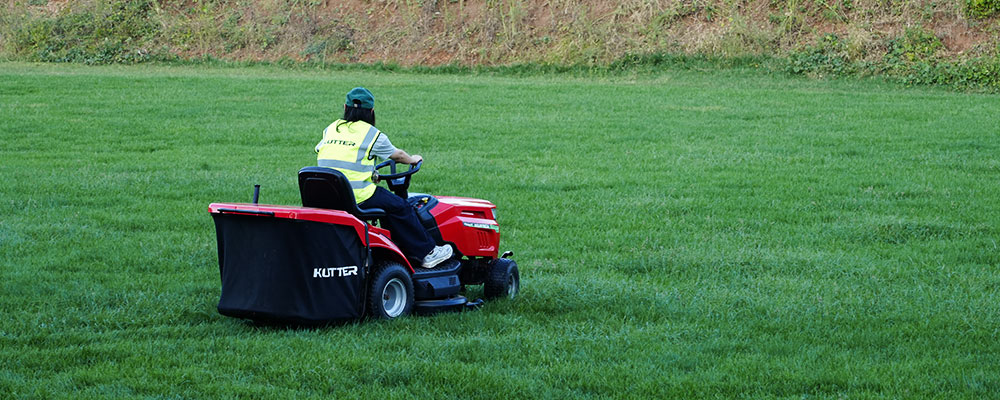
Which Costs Does a Collector Add?
Price is only the first line. The costs that decide the verdict are the recurring ones.
Purchase and fitting. The collector itself, its mounting hardware, and the fitting time.
Emptying time. Every full collector costs a stop, a drive and an empty. Estimate it from your disposal distance, not from the collector's capacity.
Disposal handling. Green waste haulage, tipping charges, or staff time at a compost area.
Cleaning and maintenance. The chute, the body and the mountings need attention, and more of it in wet conditions.
Storage and handling off-season. A collector is bulky; it needs space when it is not fitted.
Machine utilisation. A machine set up for collection is less flexible for other work until it is changed over.
Which Value Does It Return?
The return side is where buyers usually under-count, because two of the three benefits are avoided costs rather than new income.
Avoided rework. Clippings left on a formal surface generate a second visit — sweeping, blowing or a complaint. Collection removes that visit.
Avoided disposal of a separate operation. Where clippings would otherwise be raked or blown and then gathered, collection does both jobs in one pass.
Protected specification. On a site with a written finish standard, the collector is what lets the contractor meet the contract. Losing a contract costs more than an accessory.
Set against these, mulching does the same job for free on the right grass — which is why the verdict is "optional" for a weekly growing-season cut and "worth upgrading" for wet, long or leafy material.
What Changes in Wet Conditions and Autumn?
Wet and leafy material is where a collector earns its keep, and also where it is most likely to frustrate an operator.
Wet grass is heavier and packs more readily. Expect more emptying stops per hour and more cleaning of the chute.
Autumn leaf fall raises the volume per pass sharply. Shredding before collection reduces trips where the machine and site allow it.
Packed chutes are the common failure. Check the path at the start of a shift rather than discovering a blockage in the middle of a route.
Size the collector for the worst month, not the average month. A system that is adequate in June can be the bottleneck in November.
How Do You Check Compatibility Before Quoting?
Do not assume that a collector can be added to any tractor. Compatibility is model-specific, and quoting on an assumption is the fastest route to a returned accessory.
Check, per machine:
Whether the model is offered with a factory collection option, an add-on collector, or both.
Whether the deck layout and discharge path suit the collector — rear discharge decks are the natural base, because material already exits at the back.
The mounting points and the machine's lifting capacity for a loaded collector.
Whether the operator can tell when the collector is full before it blocks.
Access width on site with the collector fitted, which is wider than the machine alone.
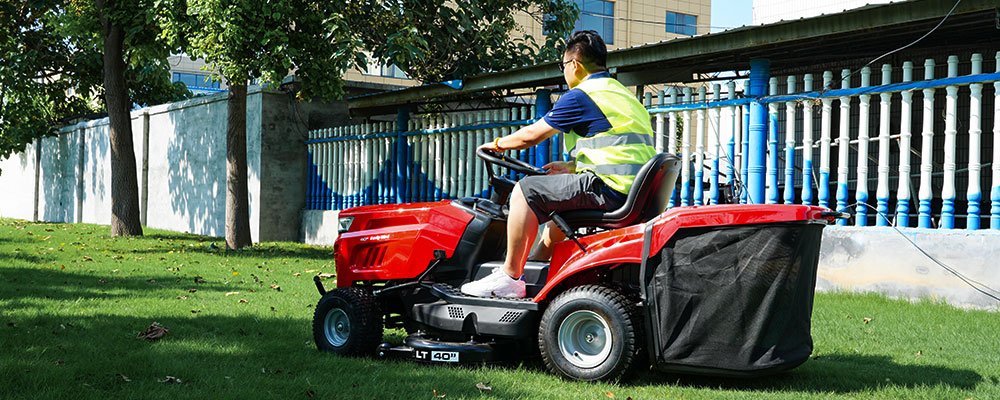
A 34-inch rear discharge lawn tractor illustrates the point: confirm the collection configuration offered for that specific model before it appears on a quotation, rather than assuming a universal fit across the range.
Capacity is a model-level figure as well, not a range-level one. Where a rear collector is confirmed for a model, quote the capacity published for that model. By way of example, the collector confirmed for the LT-34R, LT-40R and LT-42R configurations is rated at 320 L, and a 40-inch rear discharge lawn tractor belongs to that same confirmed set.
Read those three as what they are: three specific verified configurations, not a standard for the range. They do not indicate that other models take the same collector, and current availability still has to be checked model by model before anything goes on a quotation.
How Do You Judge Payback Without Inventing Numbers?
Use your own inputs and keep the arithmetic visible.
+ disposal operations avoided × their cost
+ contract risk avoided (your own assessment)
Annual cost = (collector price + fitting + annual maintenance − residual value)
/ expected years of use
+ additional emptying time × your loaded hourly cost
Upgrade pays back when annual benefit > annual cost
Every figure in that comparison comes from your site: your disposal distance, your wage rate, your visits per season and your contract terms. None of them can be supplied from a product page.
This is an attachment-level calculation, not a whole-machine one. If you need to compare complete machines over their lifecycle, use the lawn tractor total cost of ownership framework, where the collector appears as a single attachment line rather than as the decision itself.
Frequently Asked Questions
Is a grass collector worth it on a lawn tractor?
It is worth it where the finish standard requires clippings to be removed, where wet or leafy material exceeds what mulching can handle, and where the disposal point is close. It is not worth it on low-specification ground with a distant disposal route.
Can any lawn tractor be fitted with a collector?
No. Compatibility is model-specific. Check whether the model offers a factory option or an approved add-on collector, and confirm the mounting, the deck layout and the lift capacity before quoting.
Does a collector slow the job down?
It adds emptying stops. How much depends on the disposal distance and the volume per pass, not on the collector alone. Sites with on-site composting lose far less time than sites hauling material off site.
Is a collector useful in autumn?
Often that is the strongest case for one, because leaf volume is high and mulching cannot process it. Size the system and the emptying route for autumn rather than for the summer average.
How do I stop a collector blocking in wet grass?
Check and clear the chute and collection path at the start of a shift, expect more emptying stops in wet conditions, and avoid cutting long wet growth in one pass where the schedule allows a lighter cut.
Should I specify collection as standard on a fleet?
Specify it where the sites demand it, and keep the changeover option where they do not. A mixed fleet with collection on the formal zones is usually better value than collecting everywhere.
Bottom Line
A grass collector is not an automatic upgrade. It pays back where the finish standard is strict, the disposal route is short, and the material volume is high enough that collecting beats mulching or discharging. It does not pay back on rough ground with a distant disposal point.
Check compatibility per model, estimate emptying time from your own disposal distance, and run the visible arithmetic before quoting. The collector is a site-specific decision, not a category default.

Need Help Specifying a Collector?
Send us the model you are specifying, your disposal distance and your annual leaf load, and we will confirm the collection configuration and compatibility for that machine, with the optional models that suit your sites.
Contact Us
Related Products
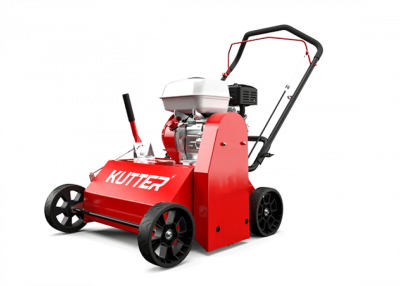
LC20
hot selling index
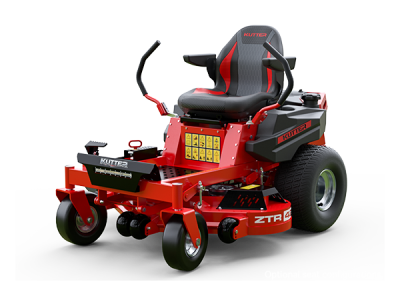
ZTR-42B
hot selling index

Lawn Aerator LA-418
hot selling index
