
 Español
 العربية
 Francés
 Русский
 Português
 Deutsch
 Italiano
 Polski
 Malay
 日本語
 한국어
 Nederlands
 Indonesia
 български
 Українська
 فارسی
 اوردو
 тоҷикӣ
 বাংলা






Lawn Mower Inventory Planning for Importers: Building a Mixed Container by Model Mix and Demand Risk
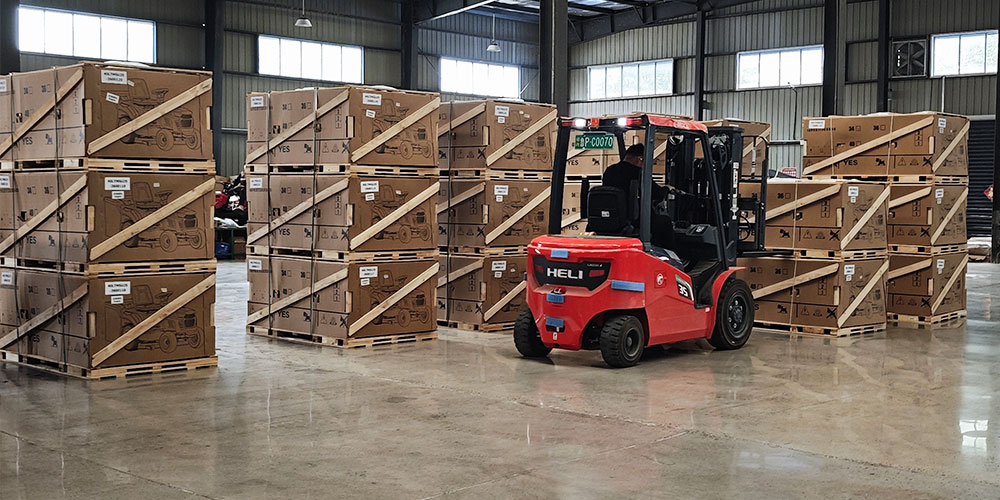
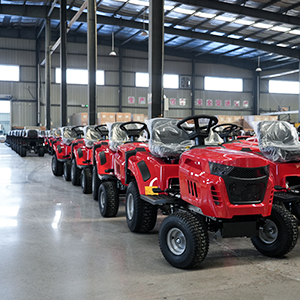
For an importer, a container of lawn mowers is not a truckload of products — it is a bet on a market. Every slot in the container is a decision about which model, which price band, which season, and which customer you believe will buy. This guide builds a practical lawn mower inventory planning method for importers: how to segment the market, mix fast and slow models, cover price bands, include parts, think in MOQ and CBM, plan for seasonality, and manage inventory risk across your first and repeat containers.
On This Page
Step 1: Segment Your Market Before You Fill a Container
Inventory planning starts with the customer, not the product. Map the market into tiers so that every model in the container has a job:
| Market tier | Typical buyer | What they want |
|---|---|---|
| Value/budget | Price-driven retailers, DIY buyers | Low price, basic features, simple parts |
| Mid-range | Independent dealers, prosumers | Balance of price, features, durability |
| Premium | Dealers, contractors, large users | Durability, features, brand value |
| Commercial/work | Contractors, municipalities | Heavy-duty, service support, parts |
A container filled with only one tier is a risk concentration. Most importers start with a core tier and a smaller presence in adjacent tiers, so a miss in one tier does not strand the whole shipment.
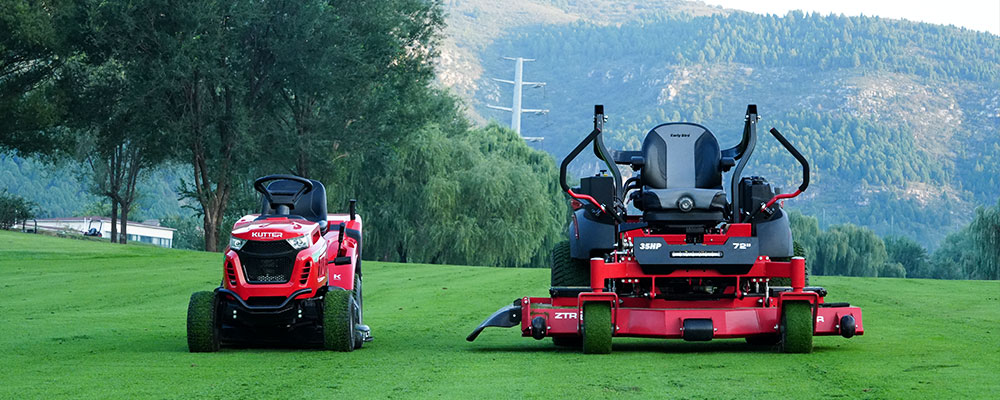
Step 2: Design the Model Mix (Fast Movers + Depth)
Model mix is the heart of a mixed container. Two complementary roles:
Fast movers are the models that sell steadily and finance the container. They get the majority of the units. Price bands here should be simple, with limited options to avoid complexity.
Depth models are the second and third choices in a range — wider decks, different discharge types, premium versions. They carry fewer units but complete the range and give dealers a reason to buy from you instead of a one-model supplier.
| Model role | Share of units (typical) | Purpose |
|---|---|---|
| Fast mover A | 25–35% | Core volume, cash flow |
| Fast mover B | 20–30% | Second core, price band coverage |
| Depth model 1 | 10–15% | Range completion, upsell |
| Depth model 2 | 5–10% | Segment coverage |
| New/pilot model | 3–8% | Test demand with low risk |
These shares are illustrative planning ranges, not fixed rules. Adjust them to your market data. The principle: the container must be mostly fast movers, with deliberate, small positions in depth and pilot models.
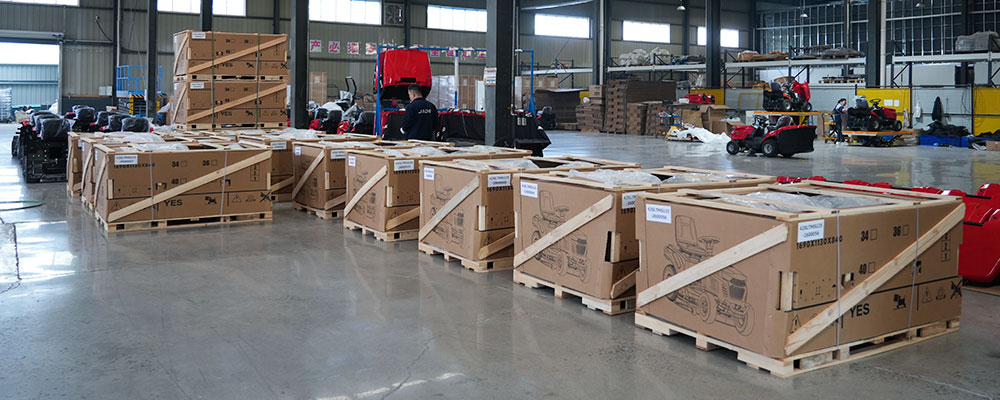
Step 3: Cover Price Bands and Discharge Structures
Retail success depends on having a price ladder — a reason for the buyer to step up. Map the models so the container covers distinct price bands:
| Price band | Typical deck size | Discharge options |
|---|---|---|
| Entry | 38 inches and under | Side discharge |
| Mid | 42–46 inches | Side and/or rear discharge |
| Upper | 48+ inches | Rear discharge, mulching options |
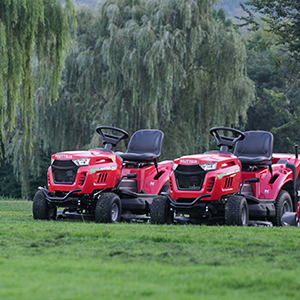
Discharge structure matters in different regions: rear-discharge machines suit areas where finish and clipping distribution matter; side discharge dominates where speed and price rule. A 38-inch side-discharge lawn tractor and a 36-inch rear-discharge lawn tractor are examples of the two structure options importers typically balance in a mix. Cover the dominant local preference first, then add the secondary structure.
Step 4: Plan Parts and Accessories Coverage
A container of mowers without parts is a container of risk — every dealer will ask what happens when a blade breaks. Plan parts coverage in the same order:
| Parts category | Priority | Typical approach |
|---|---|---|
| Consumables | Blades, belts, filters, air filters | First order, high turnover |
| Safety-critical | Brake parts, guards | Always include minimums |
| Common wear items | Spindles, pulleys, wheels | Include with machines |
| Slow-moving spares | Engines, transaxles, decks | Order on demand or with key dealers |
The ratio of parts to machines varies by market and maturity. New importers typically ship a small parts complement with the first container and grow it with sales data. Never ship machines without at least consumable coverage — it undermines dealer confidence.
Step 5: Think in MOQ, CBM and Container Terms
Inventory planning runs on logistics math, not just sales math:
| Term | What it means | Planning use |
|---|---|---|
| MOQ (minimum order quantity) | Factory minimum per model | Sets the smallest viable model position |
| CBM (cubic meters) | Volume per machine type | Determines how many units fit a container |
| Container size | 20ft / 40ft / 40ft HC | Sets total unit budget |
| Packing format | Knock-down vs assembled | Changes CBM and assembly plan |
| Incoterms | FOB/CIF/etc. | Sets landed-cost accuracy |
| Lead time | Order to delivery | Sets the reorder calendar |
Do not fill a container by "how many fit." Fill it by the model mix, then verify the mix fits the container. If the ideal mix overflows, cut the depth models first, not the fast movers. If it under-fills, add depth in the best-selling tier.
Step 6: Build for Seasonality and Demand Risk
Lawn mower demand is seasonal, and inventory planning must respect the seasonality of each market:
| Seasonality factor | Planning response |
|---|---|
| Peak season timing | Order so stock arrives before the peak |
| Off-season demand | Smaller orders, focus on parts and service |
| Region differences | Southern vs northern climates shift the window |
| First-season uncertainty | Pilot quantities, faster reorders |
| Currency/landed-cost changes | Price bands with margin buffers |
Demand risk is managed by keeping the total investment proportional to confidence: start with a conservative mix, sell through, then reorder with data. The container that sells out is better than the container that lasts two years, even if the second looks like "better value per unit."
Risk Checklist Before You Confirm the Order
| # | Check | Status |
|---|---|---|
| 1 | Market tiers mapped, not guessed | ☐ |
| 2 | Fast movers dominate the unit count | ☐ |
| 3 | Price bands form a ladder, not a pile | ☐ |
| 4 | Discharge structure matches the region | ☐ |
| 5 | Parts/consumables coverage planned | ☐ |
| 6 | MOQ and CBM verified with the factory | ☐ |
| 7 | Container size matches the model mix | ☐ |
| 8 | Lead time and reorder calendar set | ☐ |
| 9 | Seasonality and first-season risk priced | ☐ |
| 10 | MOQ, price and delivery confirmed in writing | ☐ |
Frequently Asked Questions
How do I choose the model mix for my first lawn mower container?
Start from your market segments, not from the factory catalog. Identify your core tier and price band, allocate most of the units to fast movers within that band, add one or two depth models to complete the range, and keep a small pilot position for anything new. Verify MOQ and CBM with the factory before finalizing.
What is a fast mover vs a depth model in lawn mower inventory?
A fast mover is the model that sells steadily at your core price point — it finances the container and gets most of the units. Depth models are the second and third choices that complete the range and support upsells, with fewer units each. The mix should be majority fast movers with deliberate small positions in depth.
Should I include rear-discharge or side-discharge models in my container?
Include what your region buys. Side discharge dominates where speed and price lead; rear discharge suits markets where finish and clipping distribution matter. Cover the dominant local preference first, then add the secondary structure as a smaller position. The lawn tractor range shows examples of both discharge structures.
How much parts inventory should an importer ship with a first container?
At minimum, consumables: blades, belts and filters for every model shipped. Add safety-critical and common wear items in small quantities. Grow the parts complement with sales data — starting lean and restocking beats over-stocking parts for machines that have not sold yet.
How do I manage seasonality risk in lawn mower imports?
Time arrivals to land before the regional peak, keep off-season orders small and parts-focused, and use pilot quantities in the first season. The goal is to sell through the container and reorder with real data — the container that sells out is lower risk than the one that sits.
Where can I confirm MOQ, pricing and container terms for lawn mowers?
MOQ, price, lead time and delivery terms must be confirmed directly with the supplier — they change with volumes, markets and logistics and cannot be assumed from an article. The KUTTER custom and OEM process explains how to start a specification and inquiry conversation, and contacting the KUTTER export team is the right first step to confirm current terms.
Bottom Line
Lawn mower inventory planning is a market bet, not a guessing game. Segment your market, build a model mix dominated by fast movers, cover price bands and discharge structures, plan parts from day one, and verify every logistics number before the order ships.
The container that sells out and reorders with data is the winning strategy. Start conservative, measure sell-through, and scale with confidence.

Need Container Planning Support?
We will help you build your first model mix, verify MOQ and CBM, and confirm current pricing and lead times — no obligation.
Contact Us
Related Products
LESU24-130
hot selling index
All-Terrain Cargo & Utility Trailer
hot selling index

ZTS-32B
hot selling index