
 Español
 العربية
 Francés
 Русский
 Português
 Deutsch
 Italiano
 Polski
 Malay
 日本語
 한국어
 Nederlands
 Indonesia
 български
 Українська
 فارسی
 اوردو
 тоҷикӣ
 বাংলা






Lawn Tractor Bagging vs Mulching: Which Setup Fits the Job?
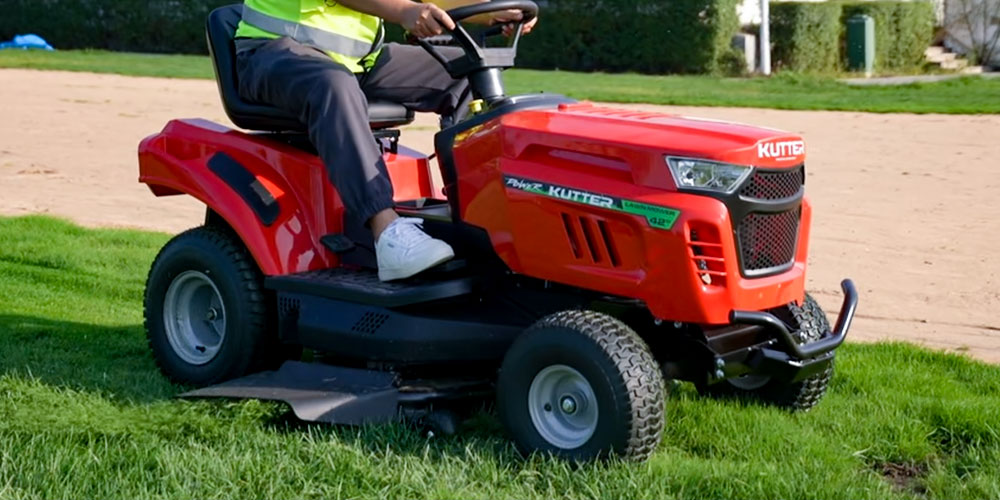
Quick answer: Bagging removes the clippings — the right choice when the finish standard is strict, the grass is long or wet, or disease and weed seed must leave the site. Mulching returns finely cut clippings to the sward — the right choice during the regular growing season when cuts are frequent and short. Match the method to the grass condition, not to a fixed preference.
This guide is for grounds managers, contractors and dealers deciding what to do with grass clippings across a European season. It will help you set a default method per season, and know when to switch. The machine's discharge layout is a separate question.
On This Page
What Decision Is Actually Being Made?
The decision is where the clippings go after the blade cuts them — off the site in a collector, or back onto the lawn as fine material. It is not a decision about the deck's discharge architecture.
If you are choosing between rear and side discharge layouts, that is a machine question and it belongs in our rear vs side discharge lawn tractor guide. This article starts after that choice and asks what the site does with the material.
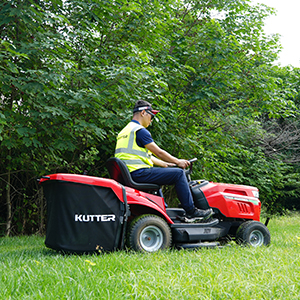
Both methods assume the machine is set up for them. Mulching needs a deck and blade arrangement that keeps material in the cutting chamber long enough to be cut finely. Bagging needs a collector that suits the machine and the volume the site produces. Neither is a setting that can be assumed on any machine in the lawn tractors range — check the option list for the model you are specifying.
Which Setup Fits Which Grass Condition?
Start at the top row. The first condition matching your site this week is the default method; change only when the condition changes.
| Grass condition | Method | Why this one first |
|---|---|---|
| Normal growing season, cut on schedule | Mulching | Short, dry clippings break down quickly |
| Long grass after rain | Bagging | Wet clumps smother the sward if returned |
| Disease or mould present | Bagging | Infected material should leave the site |
| Flowering weeds or seed heads | Bagging | Returning seed spreads the problem |
| Autumn leaf fall mixed with grass | Bagging or shred-and-collect | Volume and leaf litter overwhelm mulching |
| Drought-stressed, sparse growth | Either — go lightly | Little material; avoid extra passes |
The table is seasonal, and it moves. A site that mulches from May to September can switch to bagging for three weeks of autumn leaf fall and then switch back. The mistake is treating this as a one-time setup decision.
If your season includes two or more bagging rows, the collector stops being an accessory and becomes part of the machine specification — see our lawn tractor grass collector guide for how to judge that step.
When Does Bagging Earn Its Extra Work?
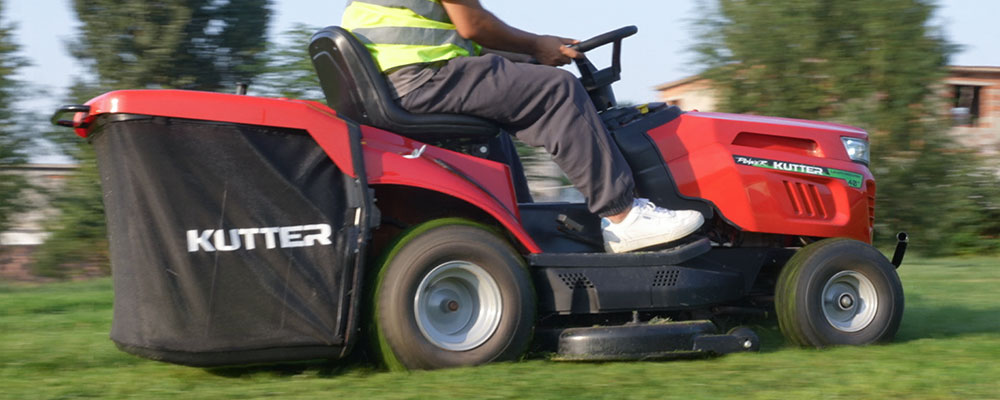
Bagging costs time: filling, driving to a disposal point, emptying, and maintaining the collector. It earns that time back in three situations.
The finish standard is visible and strict. On a formal lawn, a hotel terrace or a municipal show piece, clippings left on the surface are a complaint waiting to happen.
The material should not return. Disease, mould, seed heads and invasive weed material are cases where returning clippings works against the site.
The cut is infrequent. If the site is only cut every two or three weeks, the volume per visit is too high to mulch cleanly, whatever the season.
Bagging also produces a disposal obligation. Confirm where the material goes before committing to it — a site with no composting or green waste route turns every emptying trip into a longer one.
When Does Mulching Work — and When Does It Not?
Mulching works when the clippings are short and dry enough to disappear into the sward within a day or two. That depends on cutting frequency more than on the machine: mulch a third of the leaf blade at a time and the system copes; mulch a fortnight of growth and it does not.
Where mulching works well:
Regular weekly cutting during the growing season.
Sites with a green waste policy that discourages hauling material away.
Large areas where emptying trips would dominate the day.
Where it does not:
Wet, matted or long material, which clumps and shades the sward.
Disease periods, where returning material spreads the problem.
Heavy autumn leaf fall, where the volume is leaves rather than clippings.
Mulching is not automatically cheaper or greener. It removes emptying trips and haulage, but it demands more frequent cutting and the right deck setup. If a site cannot cut more often, mulching costs more in extra passes than it saves in emptying.
What Does Disease and Weed Seed Change?
Disease and seed change the decision from an operational one to an agronomic one, and they override the seasonal default.
Fungal disease. Collect and remove. Returning infected material keeps inoculum on the sward through the next wet spell.
Flowering weeds. Collect while seed is present. Mulching seed heads distributes them evenly across the area you are trying to clean up.
Invasive or persistent species. Check the site's management plan; some material must leave the site rather than be composted on it.
After a disease period, clean the deck and the collection path before returning to mulching. Material left in the housing transfers from one site to the next.
How Does Autumn Leaf Fall Change the Answer?
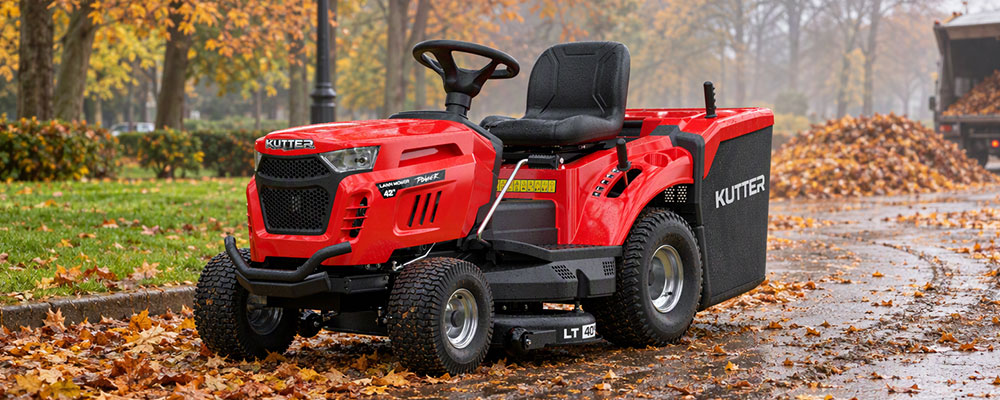
Autumn is the hardest case, because the material is no longer just grass. Leaf litter is bulky, often wet, and mixed with clippings — and its volume per pass can exceed what a mulching deck is designed to process.
Practical handling:
Shred first where the machine and site allow it. Reducing leaf volume before collection cuts the number of emptying trips.
Collect when the volume is high. A mulched layer of wet leaves smothers the sward over winter.
Plan for more emptying time per hectare. Autumn routes take longer than summer routes on the same ground, and the schedule should reflect that.
If autumn is a significant part of your workload, size the collector and the disposal route for autumn, not for the summer average.
Frequently Asked Questions
Is mulching better for the lawn than bagging?
It returns organic material to the sward, which is a benefit when cuts are short and frequent. It is not automatically better: in long, wet or diseased growth, removing the material is the better call.
Does mulching mean I can mow less often?
No, the opposite. Mulching depends on cutting little and often. If your schedule cannot support that, bagging is the more reliable method.
Will a mulched lawn look as tidy as a bagged one?
On a well-maintained sward cut on schedule, generally yes. On a formal lawn with a strict standard, or after a wet spell, bagging gives a cleaner immediate finish.
Can I switch between bagging and mulching on one machine?
Many setups allow it, but it depends on the machine and the accessories available for it. Confirm the changeover for your model before promising it on a quotation.
What should I do with clippings in a disease outbreak?
Collect and remove them, then clean the deck and collection path before the next site. Returning infected material extends the problem.
Is a collector worth it for autumn leaves alone?
For many European sites, autumn is exactly what justifies one. Size the system for the leaf load rather than for the summer grass load, and check the disposal route first.
Bottom Line
Bagging and mulching are not fixed preferences — they are seasonal tools. Match the method to the grass condition each week, and size your collector for the worst week of autumn rather than the best week of summer.
The right setup is the one that changes with the season.

Need a Collection Setup Recommendation?
Tell us your grass conditions and cutting frequency through the season — including your autumn leaf load — and we will recommend a collection and mulching setup for your sites, with the matching models and changeover options.
Contact Us
Related Products
LC20
hot selling index

ZTR-50B-Pro
hot selling index
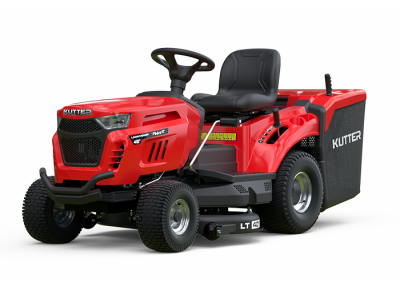
LT-40R
hot selling index