Español
 العربية
 Francés
 Русский
 Português
 Deutsch
 Italiano
 Polski
 Malay
 日本語
 한국어
 Nederlands
 Indonesia
 български
 Українська
 فارسی
 اوردو
 тоҷикӣ
 বাংলা






Stand-On Mower Ergonomics: Reducing Operator Fatigue on Long Commercial Routes
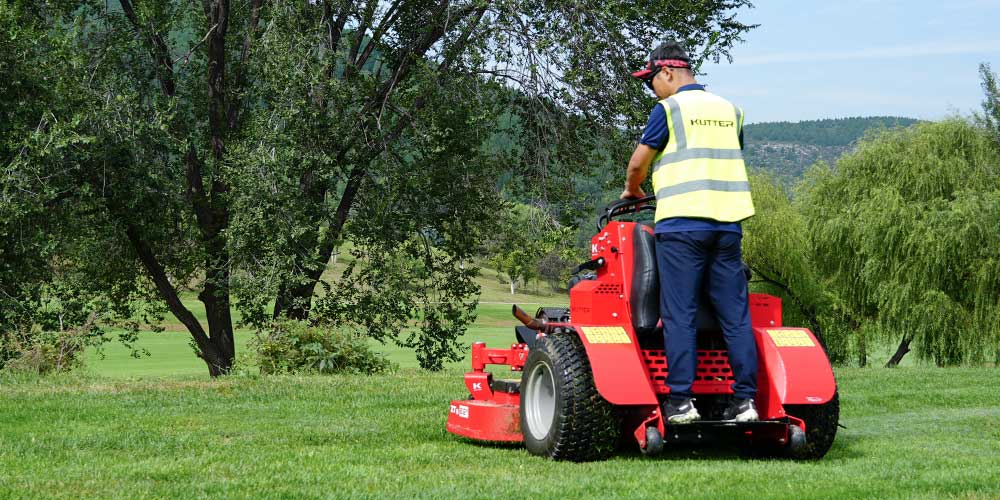
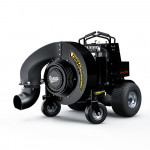
An operator who is tired by 10 a.m. makes a different crew by 4 p.m. — slower, more mistakes, more re-cuts, more risk. On a stand-on mower, the operator stands on the platform for the entire route, so stand-on mower ergonomics is not a comfort feature; it is a productivity variable. This guide explains how platform cushioning, stance, control force, vibration, mount/dismount frequency and shift planning interact, and gives you a practical checklist for evaluating a machine before you buy a fleet of them.
This article is an engineering and operations discussion of equipment design and work habits. It is not medical advice, and it does not claim that any machine eliminates or prevents occupational injury. Individual health conditions vary — consult qualified professionals for any medical concern.
On This Page
Why Fatigue Starts with the Platform
The stand-on platform is the operator's work surface for the whole shift. Three physical factors dominate:
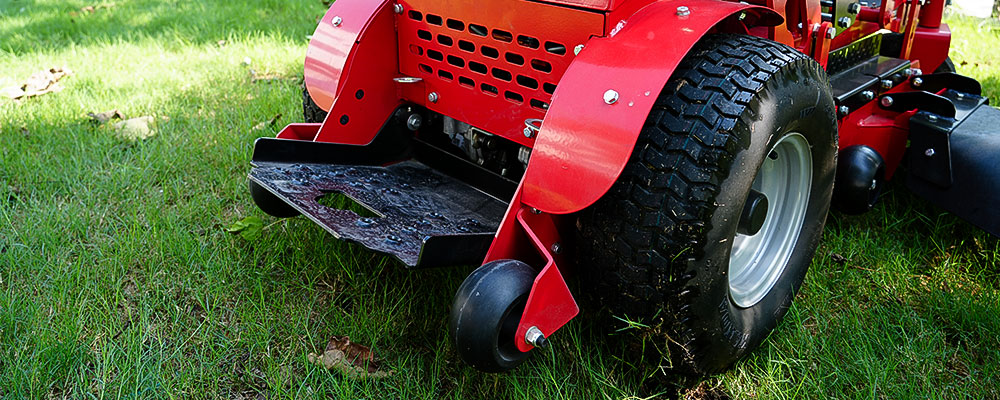
Vibration transmitted through the platform. Engine, deck and drive vibration reaches the operator through the platform and controls. Isolators, bushings and platform design change how much of that vibration reaches the body.
Stance and weight distribution. Standing with most weight on one leg while steering with the other hand creates asymmetric load. A platform sized for the operator's stance and positioned relative to the controls changes how naturally the body is balanced.
Stop-and-go movement. Every turn, every gate, every debris pickup is a weight shift. High step frequency and abrupt acceleration increase the energy cost per hour.
The result is measurable: fatigue shows up as slower mowing, missed spots and longer recovery at day's end. The ergonomic goal is to reduce unnecessary energy expenditure so the operator's output stays flat through the shift.
Platform Cushioning and Vibration
Vibration is the most studied of the three factors. Stand-on platforms use various combinations of rubber mounts, isolation bushings and suspension elements to damp vibration between the frame and the operator.
| Vibration source | Typical effect on operator | Design response |
|---|---|---|
| Engine idle/running | Constant low-frequency vibration | Engine mounts, tuned isolation |
| Deck/rotor vibration | Increases with blade imbalance | Balanced blades, deck dampers |
| Terrain feedback | Transmitted through tires and frame | Tire choice, platform suspension |
| Hydrostatic pump pulse | Small continuous buzz | Mount quality, damping |
There is no industry standard "fatigue-free" number that applies across machines, and vibration levels vary with condition — a balanced blade set makes more difference to platform vibration than any option box. When comparing machines:
Stance, Controls and Control Force
The second ergonomic layer is how the operator stands and reaches. Key points:
Stance width and foot position. The platform should allow a natural stance without constant leg-bracing. Narrow platforms or poor foot grip force the operator to clench muscles that should be relaxed.
Control layout. Steering levers and parking controls should be within comfortable reach without leaning. A control position that forces a forward lean or a sideways stretch adds load every minute of the shift.
Control effort. Levers that require continuous strong grip or high actuation force tire the forearms. Machine-to-machine differences in lever effort and damping are significant — test on a route, not a demo loop.
Control force is subjective but decisive. Two operators of different strength will evaluate the same machine differently. If your crew includes multiple operators, have each of them spend a few hours on the machine before fleet decisions.
Mount and Dismount Frequency
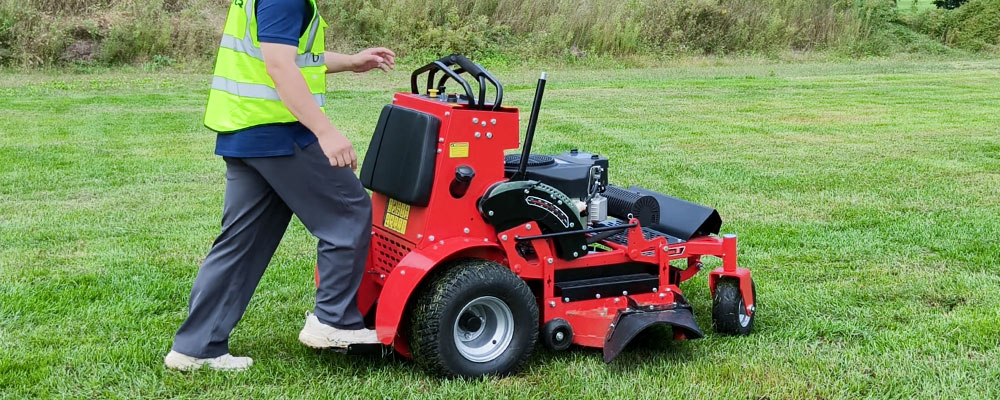
On a stand-on mower, the operator steps on and off the platform many times per shift: to empty a bagger, to pick up debris, to check a gate, to adjust the deck, to refuel. Each cycle is a chance to add fatigue and, if done carelessly, a fall risk.
| Cycle | Per-shift frequency (typical) | Ergonomics impact |
|---|---|---|
| Bagger emptying (if fitted) | 5–20 | Repeated stepping, lifting |
| Debris pickup | 5–15 | Repeated mount/dismount |
| Gates and obstructions | 3–10 | Short steps, path changes |
| Refuel/service | 1–3 | Longer stops |
Design and habit both matter. Wide, low-profile platforms with a clear step path reduce the energy per cycle; operators who step down smoothly and avoid jumping reduce both fatigue and risk. If a route demands constant stepping, a machine with an easier mount/dismount path will pay off more than a slightly wider deck.
Shift Planning as an Ergonomic Tool
Ergonomics is not only hardware. Route design changes how fatigue accumulates:
| Shift-planning tactic | Why it helps |
|---|---|
| Rotate operators between bagging and bulk routes | Distributes high-step tasks |
| Schedule the most demanding properties early | Freshest crew on hardest work |
| Use two short breaks over one long break | Resets attention earlier |
| Pair stand-on work with seated work across the week | Balances posture load |
| Keep blades balanced and deck clean | Reduces vibration and effort |
None of these replaces machine design, but together they are the cheapest fatigue-reduction investment a fleet can make. The same principle applies to matching machine size to operator: a 36-inch stand-on mower suits tighter properties and smaller operators better than a wide deck, which keeps the control effort proportional to the operator's frame.
Buying Checklist: Evaluating Ergonomics Before Purchase
Use this checklist when you evaluate a stand-on for long-route work:
| Check | What to assess |
|---|---|
| Platform size and grip | Natural stance, no leg clenching |
| Platform isolation | Rubber mounts/dampers present, test on turf |
| Control reach | No lean required, relaxed grip possible |
| Control effort | Low steady force, smooth actuation |
| Mount/dismount path | Clear, low-step, stable platform edge |
| Seat option (if offered) | Removable or accessory seat for mixed routes |
| Vibration at full throttle | Test at working speed, not idle |
| Operator feedback | Run 1–2 hours; ask each operator individually |
The single best ergonomics test is a real shift, not a showroom demo. Fatigue is a function of hours, and a 10-minute demo cannot reveal what 6 hours will do. If a dealer will not allow a route test, treat that as information.
Frequently Asked Questions
Are stand-on mowers more fatiguing than zero-turn mowers?
Not inherently — it depends on the operator, the route and the machine. Stand-ons remove the seated posture and can reduce leg strain from sitting, but they shift load to the legs and standing balance. Zero turns reduce standing fatigue but add seated posture over long shifts. The right answer is route-specific: many fleets use both, rotating operators between platform and seated machines.
Do stand-on mowers cause more vibration than riders?
Vibration reaches the operator differently on a platform than through a seat, and it varies by machine design, tires and blade balance. There is no universal rule. Test the specific machine at working speed on the terrain you actually cut, and keep blades balanced — blade imbalance is often the largest controllable vibration source on any mower.
What is the most comfortable stand-on platform design?
Comfort depends on the operator. The features that reduce fatigue across most operators are a platform large enough for a natural stance, visible isolation mounts, controls within relaxed reach, low steady control force, and an easy mount/dismount path. Test machines with the actual operators who will run them.
How can I reduce fatigue without buying new machines?
Balance and clean the blades, keep tires at the recommended pressure, clean the platform and deck, rotate operators between heavy and light routes, schedule demanding properties early in the day, and take short breaks before fatigue builds. These are the lowest-cost interventions and they compound with good machine design.
Does a seat accessory fix stand-on fatigue?
A seat accessory changes the posture option, which can help on long open routes, but it does not replace the platform design. The machine's stance, vibration isolation and control layout still dominate comfort. Evaluate the platform first and treat a seat option as an addition, not a substitute.
How do I choose a stand-on for a fleet of different-sized operators?
Match machine size to the route and let operators rotate, or standardize on a mid-size platform that the majority of the crew can run comfortably. Ask each operator to test the machine for a full shift and collect feedback before committing the fleet. Review the stand-on mower range and discuss operator profiles with your KUTTER sales contact when sizing a fleet.
Bottom Line
Stand-on mower ergonomics is a fleet purchase variable, not a showroom afterthought. The platform, controls, vibration isolation and mount path together determine whether an operator finishes a route strong or limps through the last hour. Test on real terrain, collect feedback from every operator, and treat ergonomics as a spec as important as deck width or horsepower.

Need Ergonomics Guidance for Your Fleet?
We will help you match machine size, platform design and control layout to your crew and routes — no obligation.
Contact Us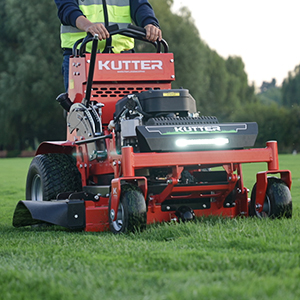
Related Products

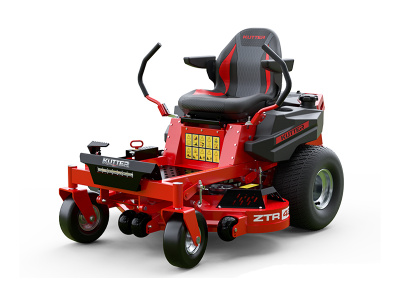
ZTR-36B
hot selling index