
 Español
 العربية
 Francés
 Русский
 Português
 Deutsch
 Italiano
 Polski
 Malay
Malay
 日本語
日本語
 한국어
한국어
 Nederlands
 Indonesia
 български
 Українська
 فارسی
فارسی
 اوردو
اوردو
 тоҷикӣ
 বাংলা
বাংলা






EFI vs Carburetor Lawn Mower: Break-Even Calculator for Fleets
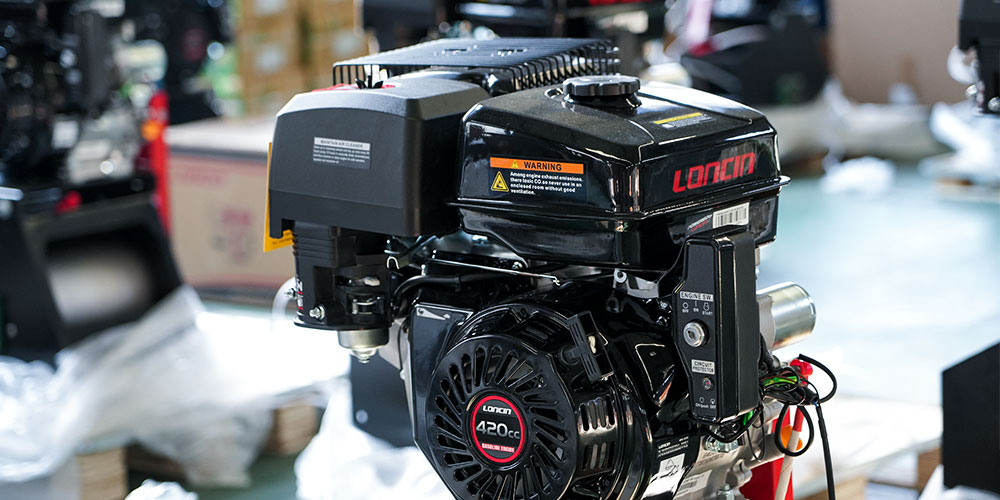
The jump from carbureted to EFI on a commercial mower usually costs $800–$1,500 upfront. For a crew running 800 billable hours a year, that premium can vanish inside two seasons. For a part-time operator running 150 hours, it might never break even.
That's the EFI vs carburetor lawn mower question in a nutshell: not "which is better," but "at what point does EFI stop being a cost and start being an investment." This article walks through the numbers — fuel consumption, downtime costs, and maintenance burden — so you can plug in your own data and stop guessing.
On This Page
How a Carburetor Works
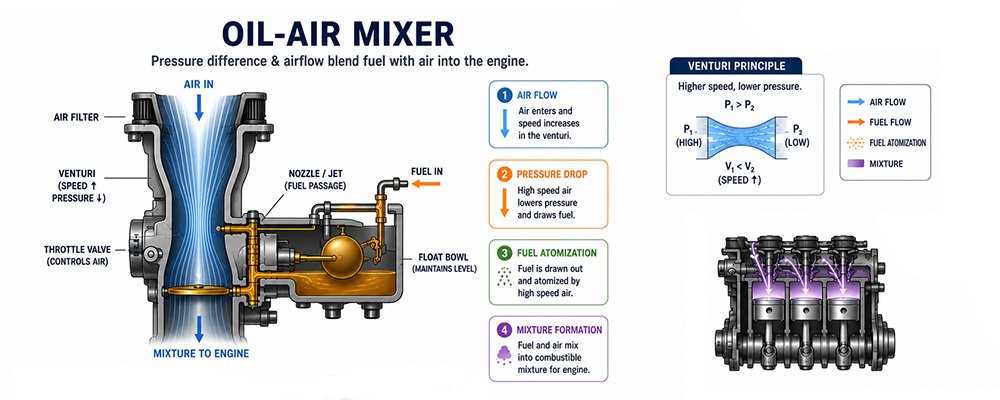
A carburetor uses air flow and pressure differences to mix fuel with intake air. It is mechanically familiar, usually straightforward for trained technicians to inspect, and can be economical to purchase. However, varnish, blocked jets, choke adjustment, altitude changes and seasonal storage can affect starting and mixture quality. Service needs depend heavily on fuel quality and maintenance practice.
How EFI Works
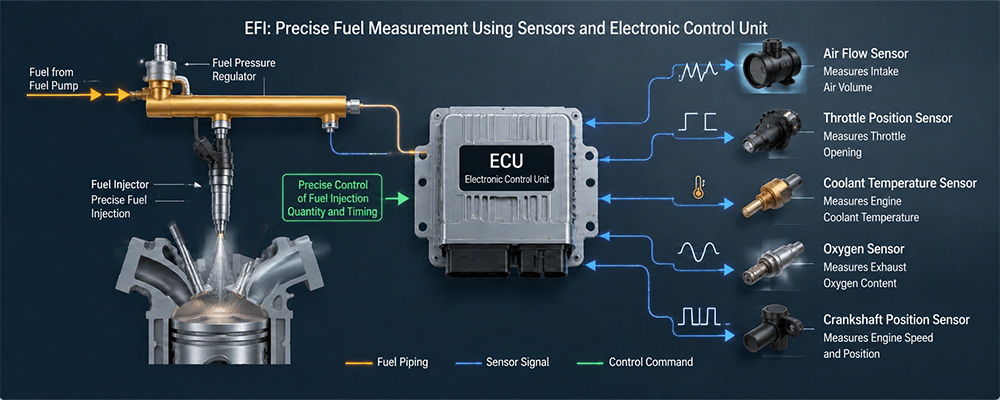
Electronic fuel injection uses sensors and an electronic control system to meter fuel. In normal use it can provide consistent cold starting, automatic mixture adjustment and reduced reliance on a manual choke. KUTTER's current high-specification ZTR-62C and ZTR-72C data lists a ZONSEN XP1000EFI 35 HP V-twin engine. The available source does not confirm a KUTTER carbureted alternative, so carburetor references here are general technology comparisons.
Operational Differences That Matter
Starting reliability can reduce unproductive minutes at the beginning of a shift. Fuel control may matter more as annual engine hours increase. Carburetors may be easier for some local workshops to service with familiar tools, while EFI troubleshooting can require electrical knowledge and compatible diagnostics. Neither system removes the need for clean fuel, correct filtration, battery care and scheduled maintenance.
StartingManual choke
AltitudeJet changes
ServiceMechanical tools
Upfront costLower
StartingAuto choke
AltitudeAuto adjust
ServiceDiagnostics
Upfront costHigher
Build a Break-Even Model (Plug Your Own Numbers)
| Variable | Conservative (Low-Hour) | Expected (Mid-Size Crew) | Heavy-Use (Multiple Crews) |
|---|---|---|---|
| Annual engine hours | 200 | 600 | 1,200 |
| Annual fuel cost | $1,200 | $3,600 | $7,200 |
| Assumed EFI fuel saving | 10% | 15% | 15% |
| Fuel $ saved per year | $120 | $540 | $1,080 |
| Avoided downtime cost | $50 | $200 | $400 |
| Total annual benefit | $170 | $740 | $1,480 |
| EFI price premium | $1,100 | $1,100 | $1,100 |
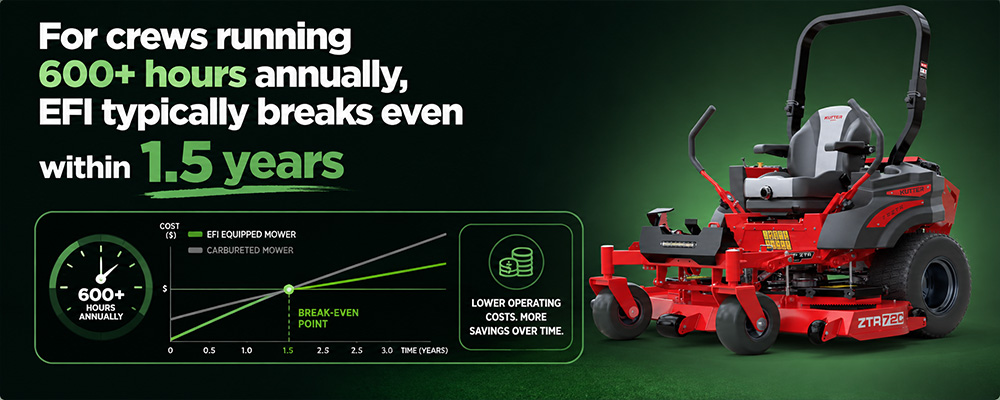
| Break-even | ~6.5 years | ~1.5 years | ~0.75 years |
The table uses example assumptions only. Replace every number with your own fuel receipts, hourly rates, and supplier quotes. A 10–15% fuel economy figure is a planning estimate, not a guarantee.
How to read the table: If your crew logs 600+ hours and fuel costs $3,600+ per year, EFI typically breaks even inside two seasons — even before counting the productivity gains from reliable cold starts and zero choke time. Below 200 annual hours, the math rarely closes.
The general formula:
Break-even (years) = EFI price premium ÷ (annual fuel cost × assumed saving rate + avoided downtime cost)
Sensitivity Matters More Than One Answer
A low-hour owner may never recover a large premium through fuel savings alone. A high-hour contractor with multiple crews may value predictable starting and less morning delay even when fuel savings are modest. Test at least three cases—conservative, expected and high-use—and include fuel price, annual hours, load, service rates and equipment holding period.
Maintenance Implications
EFI does not mean maintenance-free. Keep fuel fresh, replace filters at the specified interval, maintain battery voltage and protect electrical connectors. Carbureted engines need the same basic care plus attention to choke operation, jets and storage deposits. Use the zero turn mower maintenance checklist to place engine tasks in the full machine schedule.
Which Buyer Should Choose Which?
EFI is usually easier to justify for high annual hours, changing temperatures or elevations, fleet standardization and operations where delayed starts are costly. A carbureted engine may remain reasonable for lower utilization, stable conditions, price-sensitive purchases and locations with strong mechanical support but limited diagnostic capability. The correct choice depends on total ownership cost, not a universal winner.
KUTTER Application
KUTTER's current commercial lineup includes EFI engines on the ZTR-62C and ZTR-72C. Buyers evaluating either machine should request a current build sheet that confirms engine model, certification status, and warranty terms for the destination market. Browse the full commercial zero turn mowers range to compare configurations.
Frequently Asked Questions
Is EFI really better than a carburetor on a lawn mower?
"Better" depends on your annual hours. If you run 500+ hours per year, EFI typically pays for itself through fuel savings, faster cold starts, and fewer carburetor-related service visits. Below 200 hours, a well-maintained carbureted engine is often the more cost-effective choice.
How much fuel can EFI save on a commercial mower?
Industry estimates range from 10–20%, depending on load, operator behavior, and baseline carburetor condition. On a fleet burning $4,000/year in fuel, a 15% savings nets $600 — enough to cover the EFI premium in under two years. Use our break-even table above with your own numbers.
Does EFI eliminate mower maintenance?
No. EFI removes the carburetor's choke, jet, and varnish headaches, but it replaces them with sensor, injector, and electrical-connector dependencies. Routine service tasks like filter changes and fluid checks apply to both engine types.
Which KUTTER models come with EFI?
The ZTR-62C and ZTR-72C are offered with EFI engines in KUTTER's commercial catalog. Check the ZTR-62C and ZTR-72C product pages for current engine specifications and configuration options.
Bottom Line
Run the break-even model with your own fuel receipts, not industry averages. For most commercial crews logging 600+ annual hours, EFI breaks even by the second season and keeps paying back in uptime. For low-hour or seasonal operations, a carbureted engine — properly maintained — is still a defensible business decision.

Need Help Building Your Fleet Model?
We can walk you through specs, pricing, and EFI build options — no pressure, just numbers.
Talk to a Specialist

Related Products
LC20
hot selling index
CS500 Pro
hot selling index

LT-36R
hot selling index
