
 Español
 العربية
 Francés
 Русский
 Português
 Deutsch
 Italiano
 Polski
 Malay
Malay
 日本語
日本語
 한국어
한국어
 Nederlands
 Indonesia
 български
 Українська
 فارسی
فارسی
 اوردو
اوردو
 тоҷикӣ
 বাংলা
বাংলা
Most dealers think stable supply just means stocking more inventory. That's the biggest misconception about supply chain management. I've seen too many cases: a dealer stocks up heavily before peak season, only to have their supplier suddenly go bankrupt.
Supply Steadiness: Stable Supply Isn't About More Inventory—it's About Risk Control
2026/01/30 10:59
Supply Steadiness: Stable Supply Isn't About More Inventory—it's About Risk Control
The Rule
Inventory Is Necessary
In the lawn equipment industry, inventory is necessary. Without it, you can't meet customer demand in a timely manner. Especially during peak season—customers won't wait for you to source from the factory. They'll turn to your competitors.
Exception: More Inventory Isn't Better
But more inventory isn't better. Excess inventory ties up significant capital, increases storage costs, and can even lead to obsolete products.
In the European market, I saw a case where a dealer was left with €1 million worth of inventory after peak season ended. They had to liquidate at half price, taking a severe loss.

Balancing inventory and risk
Inventory Structure
Inventory Structure Matters More Than Quantity
What matters more is inventory structure. What's a reasonable inventory structure?
Fast-moving products need adequate safety stock
New products need appropriate test inventory
Slow-moving products need strict inventory level control
But this structure isn't fixed—it needs timely adjustment based on market changes.

Supply chain risk control
Reality Check: Supply Chain Vulnerability
Modern supply chains are becoming more complex and more vulnerable:
Raw material price fluctuations
Rising transportation costs
Geopolitical risks
Natural disaster impacts
What Our Supply Steadiness Isn't
It's not simple inventory management
It's not just focused on immediate demand
It's not a one-size-fits-all supply chain solution
Our Services
What Our Supply Steadiness Is
Diversified Supplier Network
Establish multiple supplier channels to reduce single-supplier risk. In the Southeast Asian market, I saw a case where a dealer had two parallel suppliers. When their primary supplier had issues, they could quickly switch, avoiding stockout risks.
Data-Driven Demand Forecasting
Build precise demand forecasting models based on historical sales data, market trends, and seasonal factors.
End-to-End Visual Management
Establish an end-to-end visualization system from raw materials to delivery, monitoring supply chain status in real time.
Emergency Response Mechanism
Develop detailed emergency response plans to quickly address supply chain issues when they arise.
Case Study
A Real Case: European Dealer Transformation
A European dealer frequently faced stockout issues during peak season, resulting in low customer satisfaction. Through our Supply Steadiness service, we helped them:
Establish two parallel supplier networks
Develop detailed emergency response plans
Results Achieved
Peak season stockout rate reduced from 35% to 5%
Inventory turnover increased by 40%
Customer satisfaction improved from 78% to 94%
Final Thought
Supply Steadiness isn't a one-time project—it's an ongoing capability building.
In today's increasingly uncertain world, a stable supply chain has become one of the core competitive advantages for lawn equipment dealers. Not because it makes you more money, but because it keeps you stable during market fluctuations.
Learn more about our supply chain management and logistics services.
Contact Our Supply TeamRelated Products


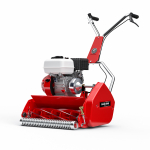
ZTS-42B
hot selling index


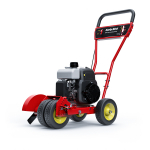
SLBH22
hot selling index
