
 Español
 العربية
 Francés
 Русский
 Português
 Deutsch
 Italiano
 Polski
 Malay
Malay
 日本語
日本語
 한국어
한국어
 Nederlands
 Indonesia
 български
 Українська
 فارسی
فارسی
 اوردو
اوردو
 тоҷикӣ
 বাংলা
বাংলা






Spark plugs might be one of the smallest components on a mower, but their importance is often underestimated. Our technical support data shows that over 30% of mower starting problems and 25% of performance decline issues are related to spark plugs. This is why understanding the working principle and maintenance methods of spark plugs is crucial for every mower user.
Riding Mower Spark Plug: Small Component, Big Impact
2026/02/04 13:53
Riding Mower Spark Plug: Small Component, Big Impact
Importance
The Importance of Spark Plugs
Spark plugs play a key role in the engine: they generate electric sparks to ignite the fuel-air mixture in the combustion chamber, thereby driving the engine.
A spark plug in good condition can ensure:
Easier Starting: Makes it easier to start the engine, especially on cold days
Better Fuel Efficiency: Improves fuel efficiency, saving fuel costs
Smoother Operation: Makes the engine run more smoothly, reducing vibration
Lower Emissions: Reduces harmful emissions
Longer Engine Life: Extends engine life
Conversely, a worn or dirty spark plug can lead to: difficult starting, engine misfiring, power loss, increased fuel consumption, and engine overheating.

Selection Guide
Our Spark Plug Selection Guide
1. Refer to User Manual
This is the most basic and most important step. Our mower user manual will clearly specify the recommended spark plug model. Using the spark plug specified in the manual ensures optimal compatibility with the engine.
2. Understand Spark Plug Specifications
Heat Range: Indicates the heat dissipation capability of the spark plug, usually represented by a number
Thread Size: The thread diameter and length of the spark plug
Gap: The distance between the spark plug electrodes
Type: Copper core, platinum, or iridium
3. Our Recommended Spark Plug Types
Copper Core Spark Plugs: Most economical choice, typically needs replacement every 25-50 hours, suitable for average residential users
Platinum Spark Plugs: Longer life, typically needs replacement every 100-200 hours, suitable for frequent users
Iridium Spark Plugs: Longest life, best performance, typically can be used for 200-300 hours, suitable for commercial users
4. Our Spark Plug Accessories
We provide original spark plug accessories for all mower models, ensuring perfect matching with the engine. Our technical team, after rigorous testing, has selected the spark plug models most suitable for our engines to ensure optimal performance and reliability.

Replacement Guide
When to Replace Spark Plugs & How to Replace
Replacement Timing
Time Intervals: Copper core spark plugs: Every 25-50 hours or once a year. Platinum spark plugs: Every 100-200 hours or every 2-3 years. Iridium spark plugs: Every 200-300 hours or every 3-4 years
Visual Inspection: Carbon Fouling (black, dry deposits), Oil Fouling (wet, oily deposits), Erosion (electrode wear or melting), Gap Change (distance too large or too small)
Performance Issues: Difficult starting, engine runs unsteadily, power loss, increased fuel consumption
Replacement Steps
Preparation: Ensure the mower engine is cool, disconnect the spark plug wire, prepare the appropriate spark plug socket, prepare the new spark plug
Remove Old Spark Plug: Use a spark plug socket to turn counterclockwise, loosening the old spark plug. Carefully remove the old spark plug, being careful not to let debris fall into the spark plug hole
Check and Adjust New Spark Plug: Check that the gap of the new spark plug meets the manufacturer's specifications. If necessary, use a spark plug gap tool to adjust the gap
Install New Spark Plug: Thread the new spark plug clockwise into the spark plug hole by hand until it feels tight. Use a spark plug socket to gently tighten (usually 1/4 to 1/2 turn). Be careful not to over-tighten to avoid damaging the threads
Reconnect Wire: Reconnect the spark plug wire to the new spark plug. Ensure the connection is secure
Troubleshooting
Common Spark Plug Problems and Solutions
Common Issues
Spark Plug Carbon Fouling: Causes: Fuel mixture is too rich, dirty air filter, long-term low-load operation. Solutions: Replace spark plug, check and adjust fuel mixture ratio, clean or replace air filter
Spark Plug Oil Fouling: Causes: Worn piston rings, poor valve guide seals, excessive oil. Solutions: Replace spark plug, check internal engine condition, adjust oil level
Spark Plug Erosion: Causes: Engine overheating, incorrect ignition timing, using spark plug with mismatched heat range. Solutions: Replace spark plug with correct heat range model, check engine cooling system, check ignition timing
General Solutions
Replace spark plug with correct type
Check and adjust fuel mixture
Clean or replace air filter
Check engine internal condition
Verify ignition timing
Final Thoughts
Riding mower spark plug might be a small component, but its impact on mower performance cannot be ignored.
Regularly checking and replacing spark plugs is one of the simplest but most effective steps in mower maintenance. Remember, proper spark plug selection and maintenance can not only improve the performance and reliability of your mower, but also save you time and money.
Next time your mower is difficult to start or runs unsteadily, don't ignore this small component. Checking the spark plug might solve the problem and bring your mower back to life.
View Mower Maintenance GuideRelated Products

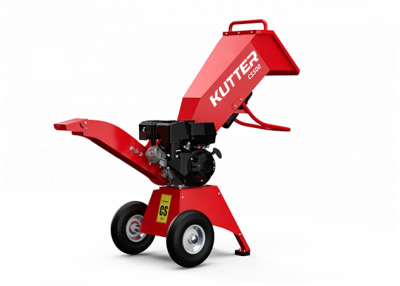
CS500 Pro
hot selling index

ZTS-42B
hot selling index
TLBSU26
hot selling index