
 Español
 العربية
 Francés
 Русский
 Português
 Deutsch
 Italiano
 Polski
 Malay
Malay
 日本語
日本語
 한국어
한국어
 Nederlands
 Indonesia
 български
 Українська
 فارسی
فارسی
 اوردو
اوردو
 тоҷикӣ
 বাংলা
বাংলা






Commercial Zero Turn Mowers
Commercial Zero Turn Mowers
48"–72" Decks for Fleet Operators & Distributors
Kutter Power manufactures commercial zero turn mowers from 48-inch fleet entry models to 72-inch heavy-duty machines. Four specifications covering 2–20+ acre commercial operations, all with ZT-3800 or ZT-5400 commercial transmission, 25–35HP engines, and CE/EPA/Euro V certification. Fleet pricing, OEM branding, and container loading optimization available from 3 units per order.
Commercial Zero Turn Mowers
Four models from 48-inch fleet entry to 72-inch heavy-duty. ZT-3800 and ZT-5400 commercial transmissions, 25–35HP EFI engines, and 73L fuel tanks for all-day operation. Built for landscape contractors, municipalities, and rental fleets.

ZTR-72C
hot selling index

ZTR-62C
hot selling index

ZTR-54C
hot selling index

ZTR-48C
hot selling index

Higher Margins, Longer Relationships
Commercial zero turn mowers generate stronger revenue per unit than residential equipment — through higher margins, recurring parts demand, and long-term fleet relationships.
Learn More About Fleet BenefitsCommercial ZTR Revenue Profile
The Contractor Upgrade Cycle
Market Growth
Fleet Progression Strategy
Visual Service Showcase
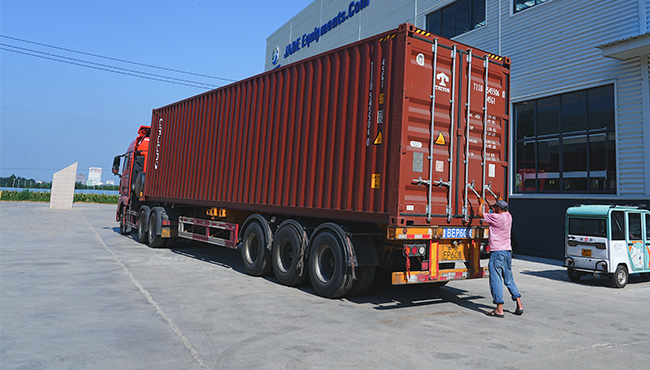
Fleet container loading, OEM flexibility, and warranty support.
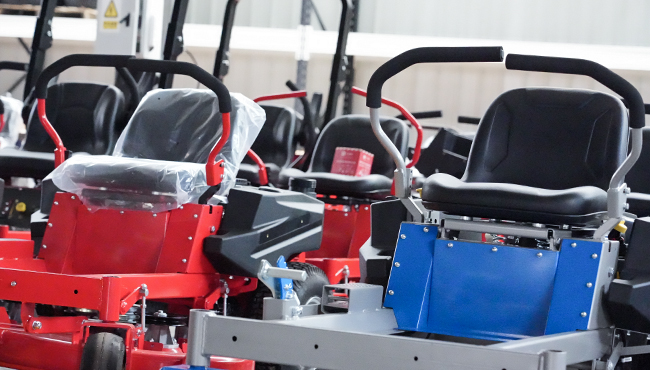
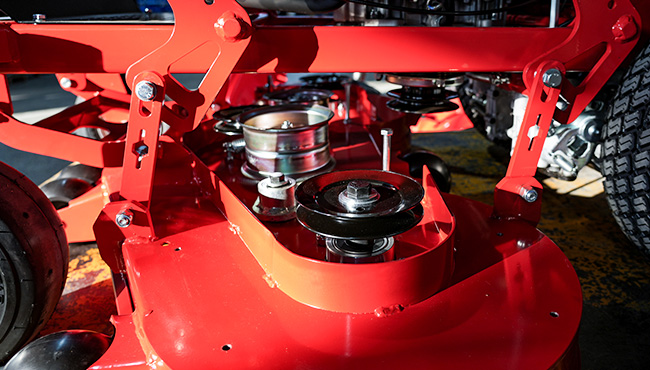
OEM & Private Label
Private label production with your branding. Custom colors, engine options, transmission configuration (ZT-3800 or ZT-5400), and deck customization from 3 units per order.
Private label from 3 units
Custom colors and branding
Engine and transmission options
Export packaging customization
Frequently Asked Questions
Everything dealers need to know before stocking — answered by our product team.
What commercial ZTR models should I stock first?
Which model has the lowest warranty exposure?
What is the minimum order for commercial fleet pricing?
Can I mix commercial and residential ZTR models in one container?
What is the lead time for commercial ZTR orders?
What financing options are available for fleet customers?
Do you provide fleet demo units?
How do EFI engines reduce fleet operating costs?
What differentiates Kutter commercial ZTRs from competitors?
Can I request exclusive territory for commercial ZTR distribution?
Explore Related Solutions
Disclaimer
We reserve the right to modify, adjust, or terminate any policies, terms, pricing, and services at any time. All policies are subject to change due to market fluctuations, supply chain dynamics, currency adjustments, regulatory updates, and other force majeure factors.
Specific terms, product information, pricing, service conditions, and policy descriptions displayed on this website do not constitute binding offers or commitments. Actual terms shall be subject to written confirmation with your designated sales representative prior to order placement.
We shall not be held liable for any discrepancies arising from information update delays, market changes, or third party factors. The final right of interpretation of this disclaimer and all related terms is reserved exclusively by us.
YOU MAY ALSO LIKE
Commercial Zero Turn Mowers
Commercial Zero Turn Mowers
Commercial Zero Turn Mowers
48"–72" Decks for Fleet Operators & Distributors
Kutter Power manufactures commercial zero turn mowers from 48-inch fleet entry models to 72-inch heavy-duty machines. Four specifications covering 2–20+ acre commercial operations, all with ZT-3800 or ZT-5400 commercial transmission, 25–35HP engines, and CE/EPA/Euro V certification. Fleet pricing, OEM branding, and container loading optimization available from 3 units per order.
Commercial Zero Turn Mowers
Four models from 48-inch fleet entry to 72-inch heavy-duty. ZT-3800 and ZT-5400 commercial transmissions, 25–35HP EFI engines, and 73L fuel tanks for all-day operation. Built for landscape contractors, municipalities, and rental fleets.


LT-34R
hot selling index
