
 Español
 العربية
 Francés
 Русский
 Português
 Deutsch
 Italiano
 Polski
 Malay
Malay
 日本語
日本語
 한국어
한국어
 Nederlands
 Indonesia
 български
 Українська
 فارسی
فارسی
 اوردو
اوردو
 тоҷикӣ
 বাংলা
বাংলা






Zero Turn Mowers
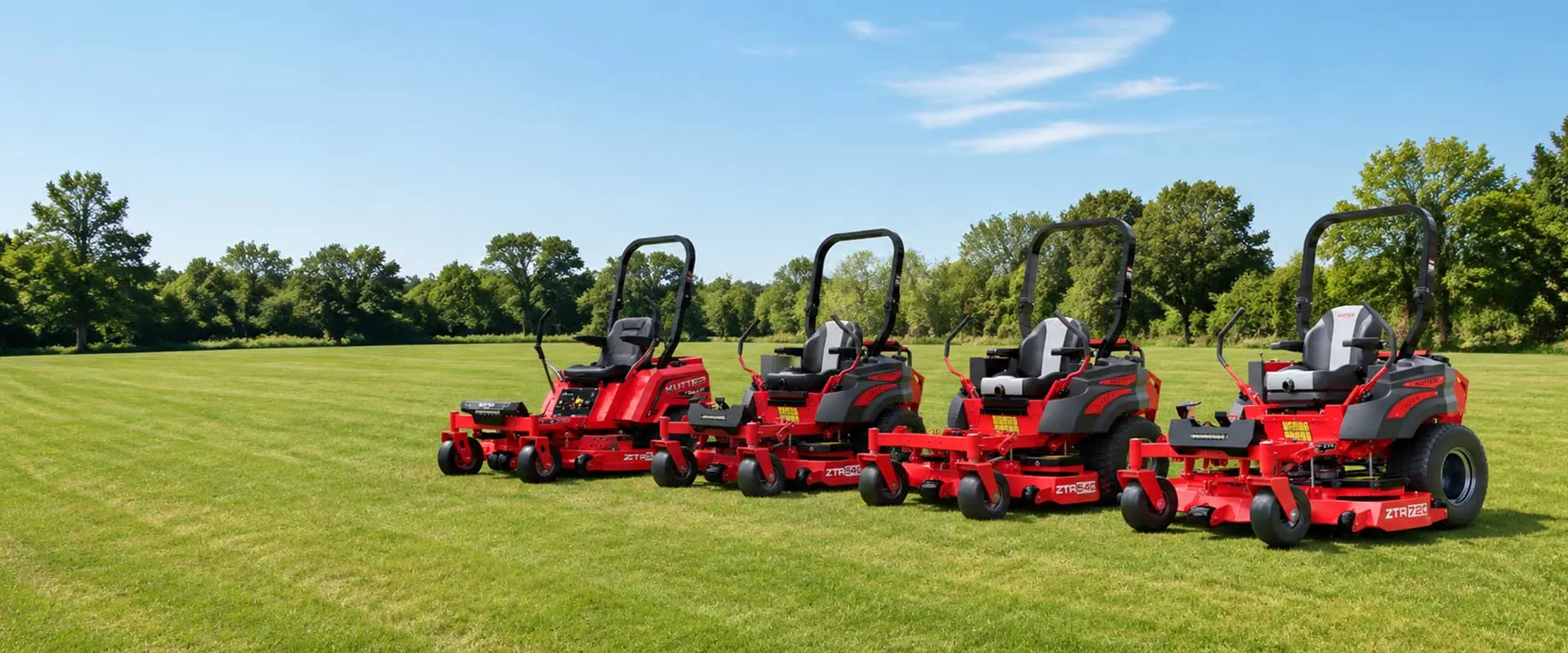
Zero Turn Mowers
From compact residential properties to high-output commercial fleets, KUTTER zero turn mowers cover the applications, deck sizes and duty levels that different markets demand. Compare our residential and commercial product lines, then move directly to the models that fit your customers or operation.
Residential or Commercial: Start With How the Mower Will Work
The right zero turn lawn mower is determined by more than deck width or horsepower. Start with operating frequency, property access and the amount of ground that must be covered. KUTTER separates the range into two clear product lines so buyers can compare machines built around the same workload.
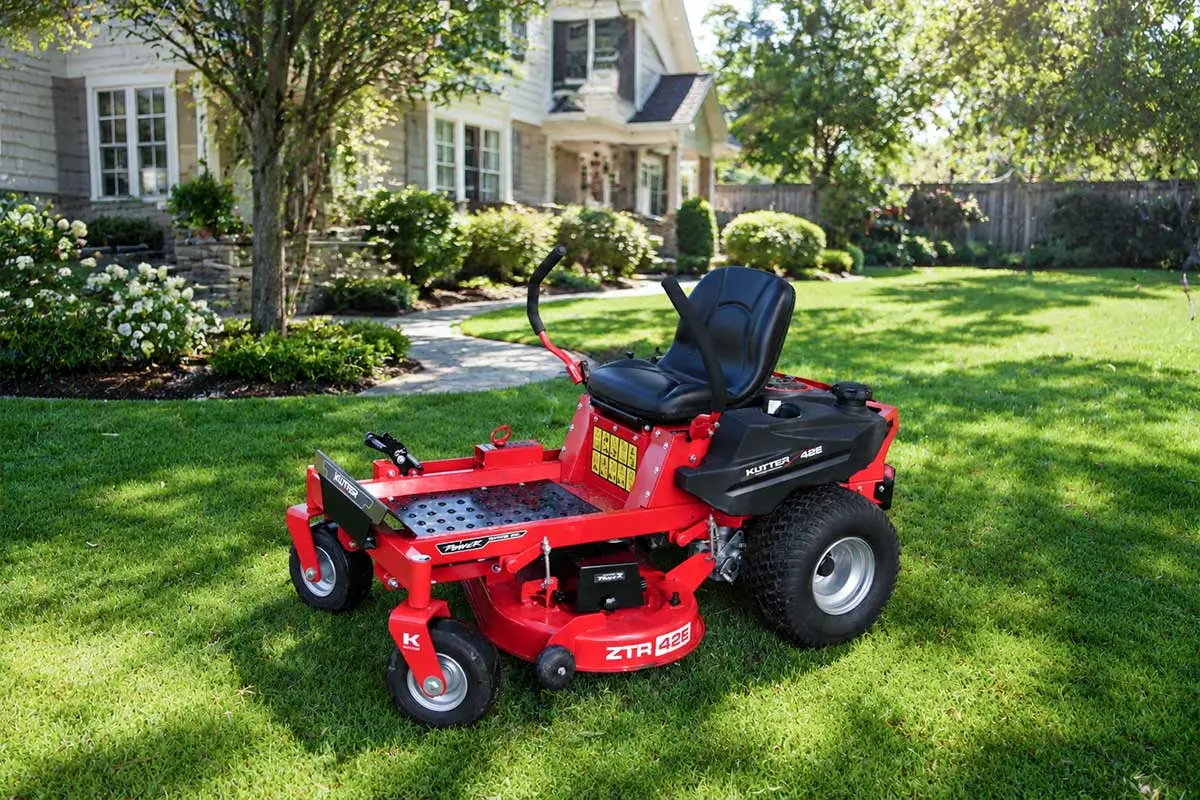
Residential Zero Turn Mowers
Built for homeowners, estates and residential-focused equipment markets, this range covers 36-inch compact access through 50-inch large-property mowing. Choose the residential line when maneuverability, storage, gate access and purchase value are the main priorities.
36-inch to 50-inch deck range
Compact options for gated or obstacle-rich properties
Stamped and fabricated deck choices across the lineup
Hydrostatic drive for smooth zero-turn control
Product choices for small lawns through larger residential properties
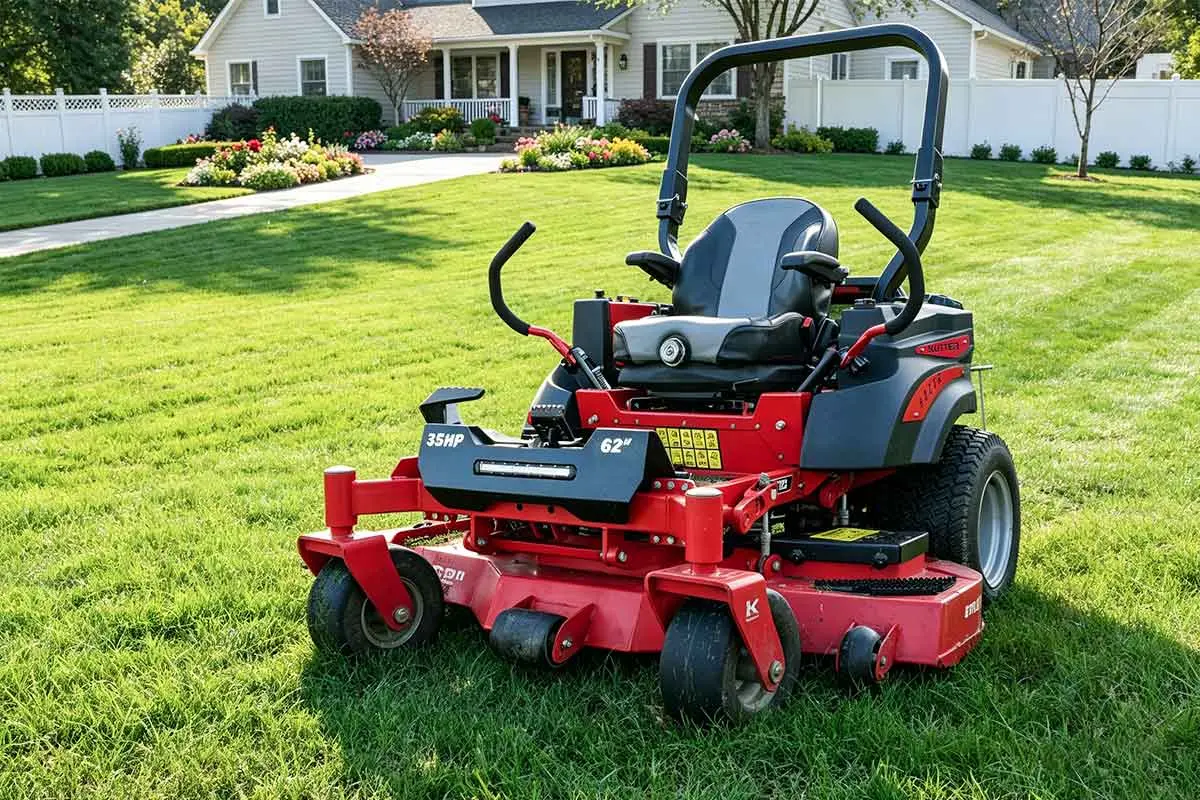
Commercial Zero Turn Mowers
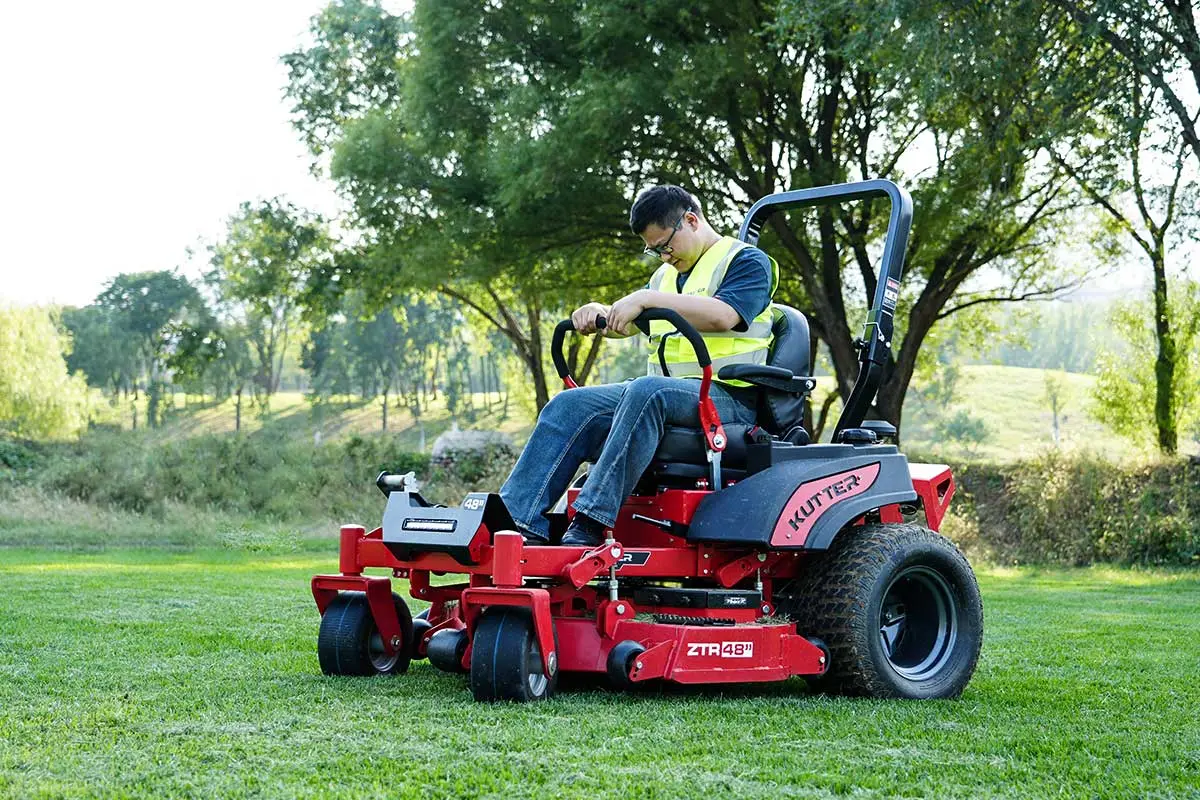
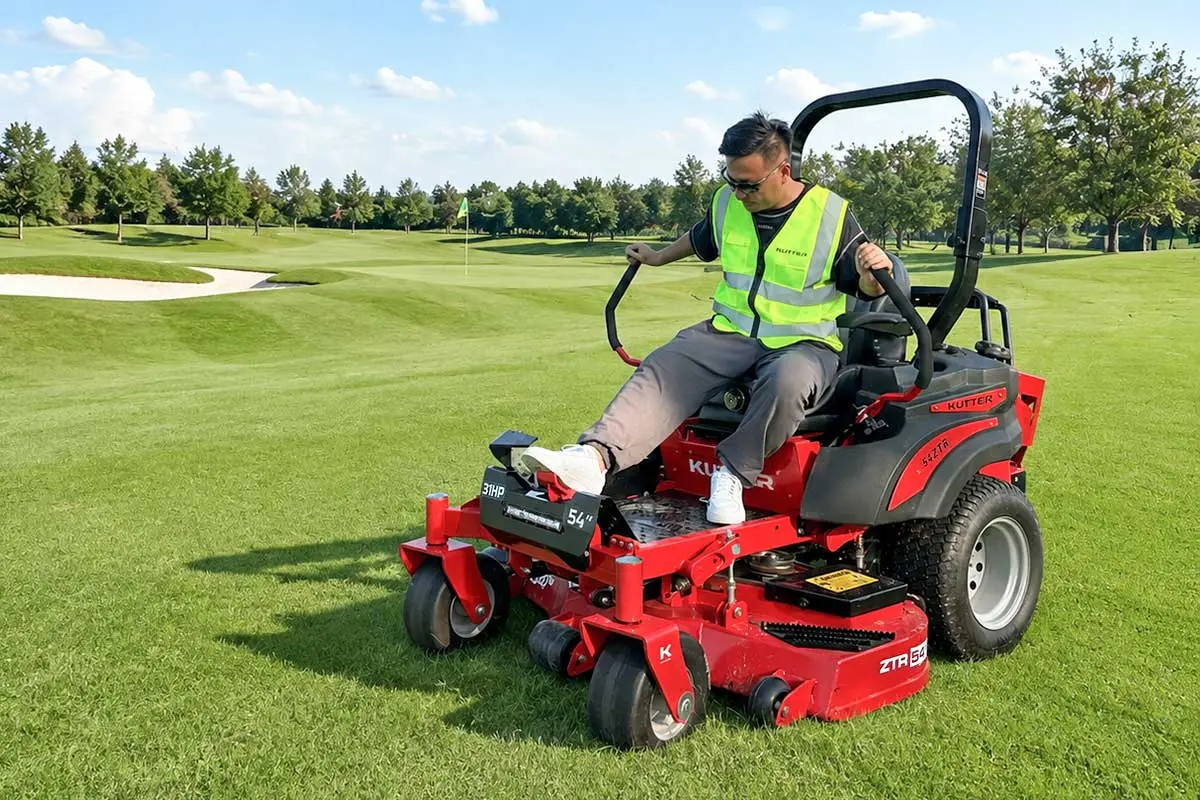
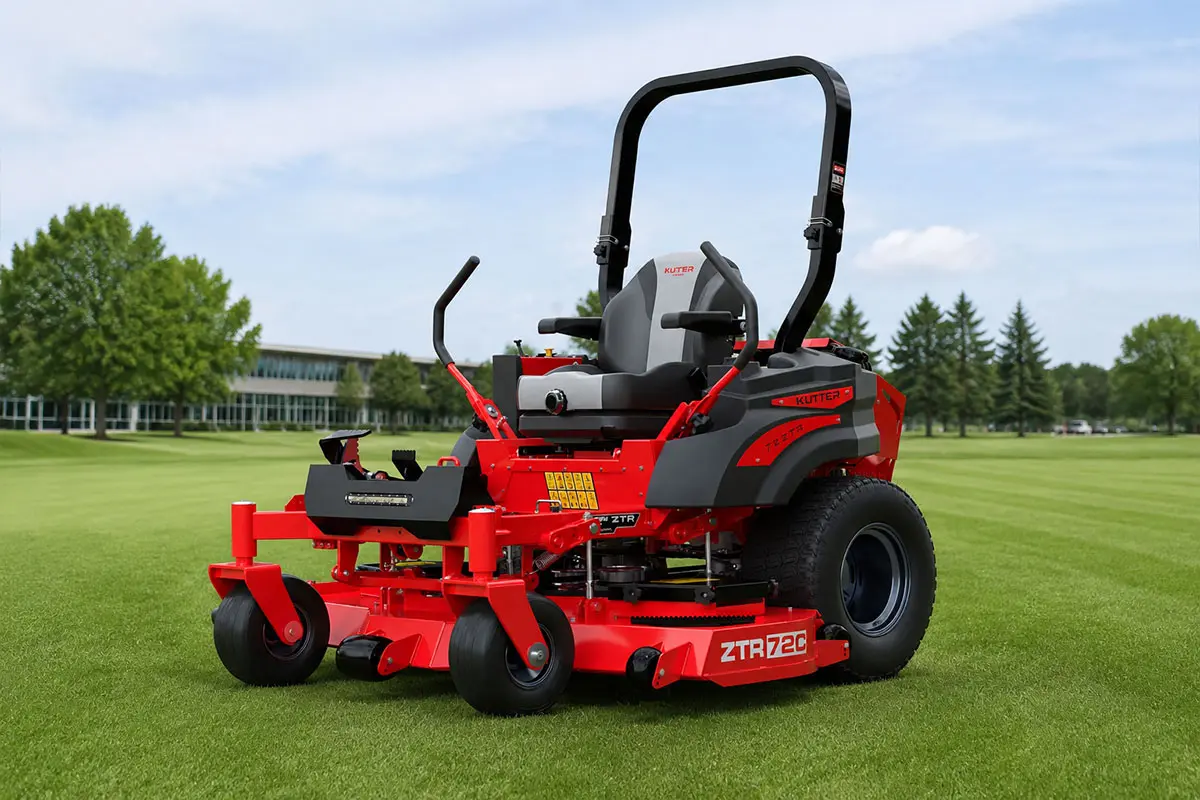
Designed for landscape crews, municipalities, property maintenance teams and equipment fleets, this range covers 48-inch fleet-entry machines through 72-inch heavy-duty models. Choose the commercial line when operating hours, productivity, drivetrain durability and service access drive the purchase decision.
48-inch to 72-inch deck range
Fabricated decks across the commercial lineup
Commercial ZT-3800 and ZT-5400 transmission platforms
Configurations for mixed routes and large open properties
Product support for fleet and distributor requirements
Commercial vs Residential Zero Turn Mowers
Both product lines provide zero-turn maneuverability, but they are designed around different workloads. Use this comparison to choose the correct starting point before reviewing individual models.
| Decision Point | Residential Line | Commercial Line |
|---|---|---|
| Typical use | Seasonal or routine property mowing | Frequent professional and fleet operation |
| Main users | Homeowners, estates, residential equipment markets | Contractors, municipalities, property teams, rental and service fleets |
| Deck range | 36-50 inches | 48-72 inches |
| Main priority | Access, maneuverability, storage and value | Duty cycle, productivity, durability and serviceability |
| Best starting question | Will it fit the property and storage space? | How many hours and acres must it cover each week? |
| Next step | View Residential Models | View Commercial Models |
How to Choose a Zero Turn Mower
A wider deck can reduce mowing time on open ground, but width alone does not make a mower the right fit. Evaluate the complete operating environment before selecting a model.
Start with how often the mower will run. Routine residential mowing and daily commercial routes place different demands on the frame, deck, transmission and service schedule.
Consider total mowing area, but also review how the machine moves between lawns. Commercial buyers should include trailer space, transport frequency and the mix of property sizes on each route.
The mower must reach the grass before deck width can improve productivity. Measure gates, side yards, storage openings and narrow landscaped areas. Compact decks reduce access problems and the amount of follow-up trimming.
Narrower decks suit constrained properties and complex layouts. Wider decks cover more ground per pass and work best where access is open and obstacles are limited.
Transmission selection should match operating hours, terrain and machine weight. Buyers planning frequent professional use should begin with the commercial line rather than upgrading a residential platform beyond its intended duty level.
For distributors and fleet buyers, product fit also includes parts availability, service knowledge and the ability to support the selected model mix over time. Confirm these requirements before finalizing an order.
Zero Turn Mowers From Compact Access to Fleet Productivity
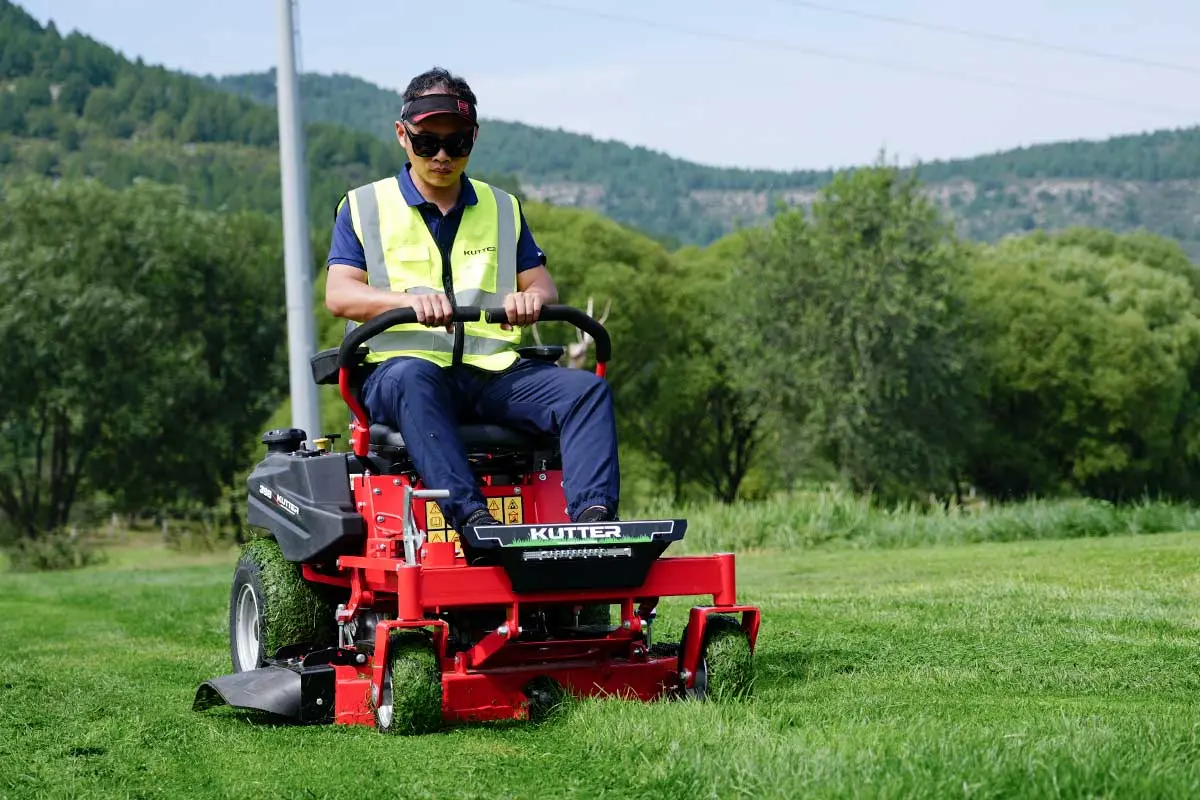
KUTTER offers residential and commercial platforms across a 36-inch to 72-inch deck range. The examples below show the breadth of the family; use each product-line Hub to compare the complete model selection and specifications.
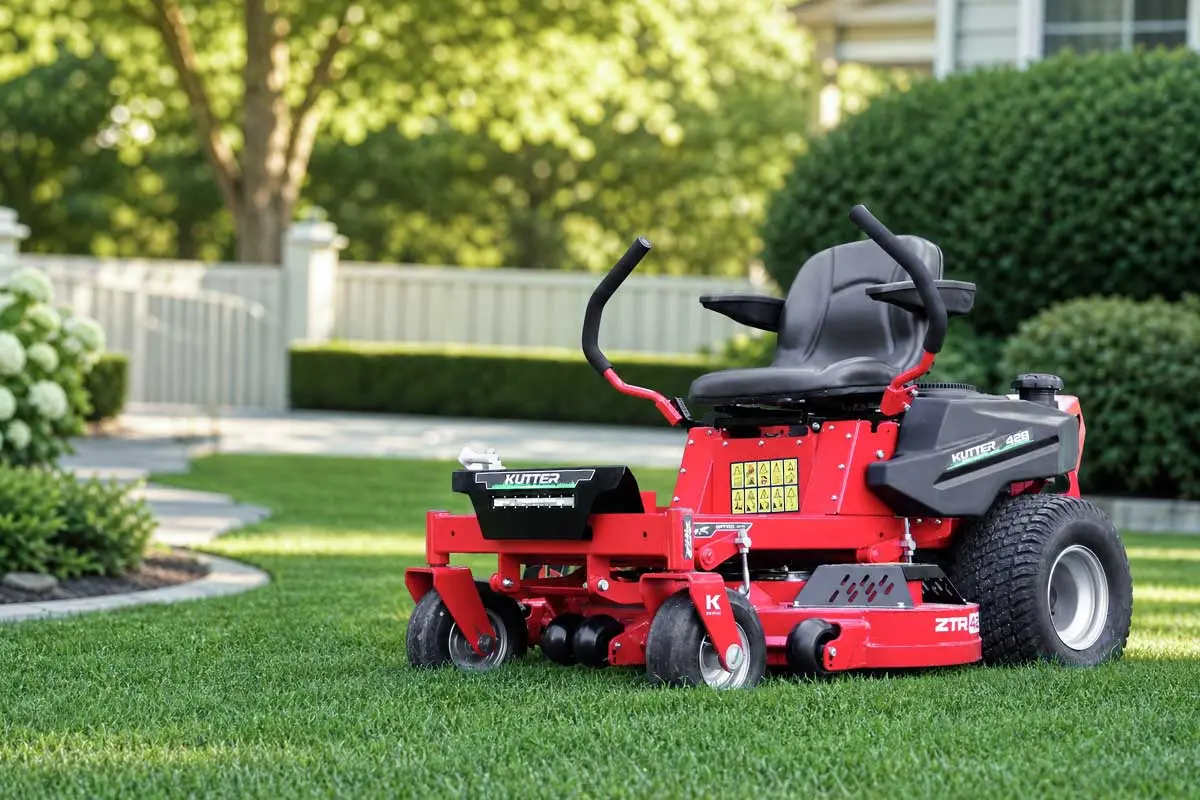
ZTR-42B
A fabricated-deck option for buyers balancing size, durability and maneuverability.
View Residential Models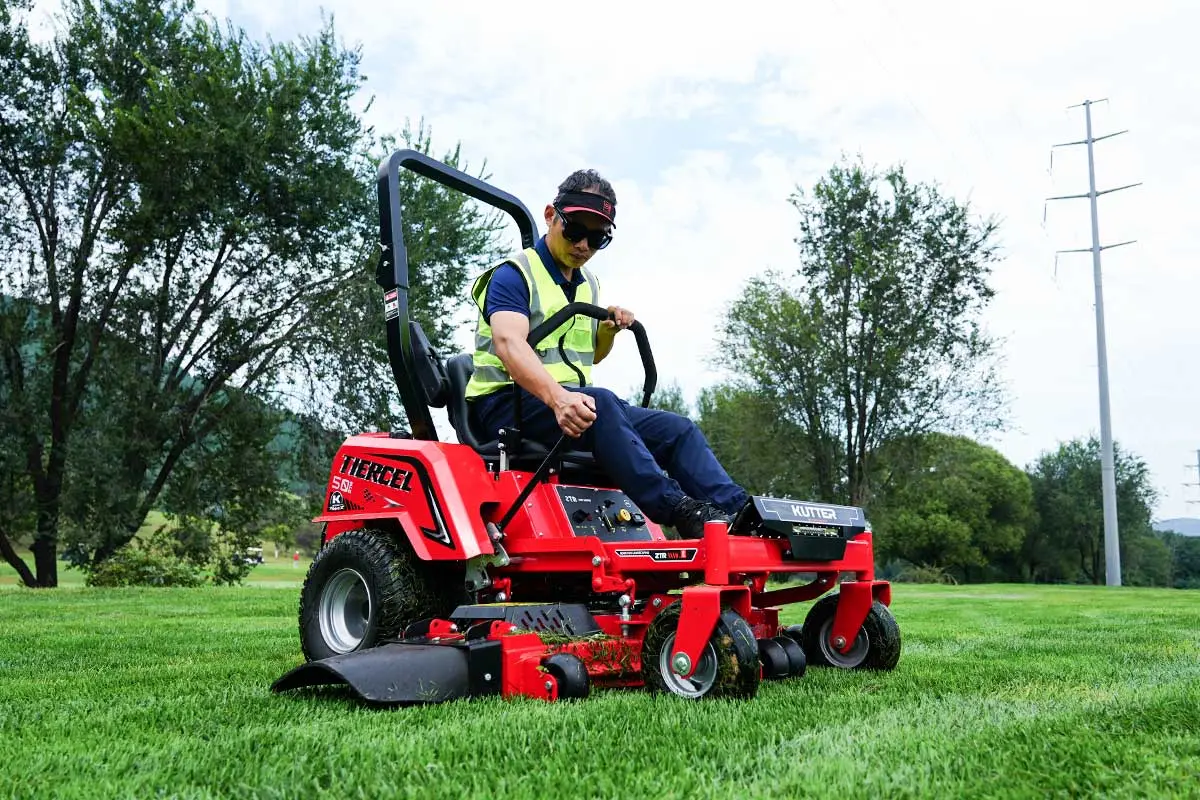
Need More Access and Faster On-Off Movement?
A seated zero turn riding mower is well suited to continuous mowing and open-property productivity. For routes with narrow access, frequent stops or repeated mounting and dismounting, a stand-on mower may provide a better operating format.
Explore Stand-On MowersFrequently Asked Questions

Build the Right Zero Turn Mower Lineup
Tell us about your market, property types, expected operating hours and preferred deck range. The KUTTER team will help you identify the right residential, commercial or mixed-model starting point.