
 Español
 العربية
 Francés
 Русский
 Português
 Deutsch
 Italiano
 Polski
 Malay
Malay
 日本語
日本語
 한국어
한국어
 Nederlands
 Indonesia
 български
 Українська
 فارسی
فارسی
 اوردو
اوردو
 тоҷикӣ
 বাংলা
বাংলা






2026 Best Commercial Zero Turn Mowers Review: Professional Landscaper's Buying Guide
2026 Best Commercial Zero Turn Mowers: Professional Landscaper's Buying Guide & Review
Compare top-rated commercial zero turn mowers from KUTTER, John Deere, Toro, Cub Cadet, and Husqvarna. Find the perfect mower for your landscaping business with ROI analysis and expert recommendations.
Read Full Review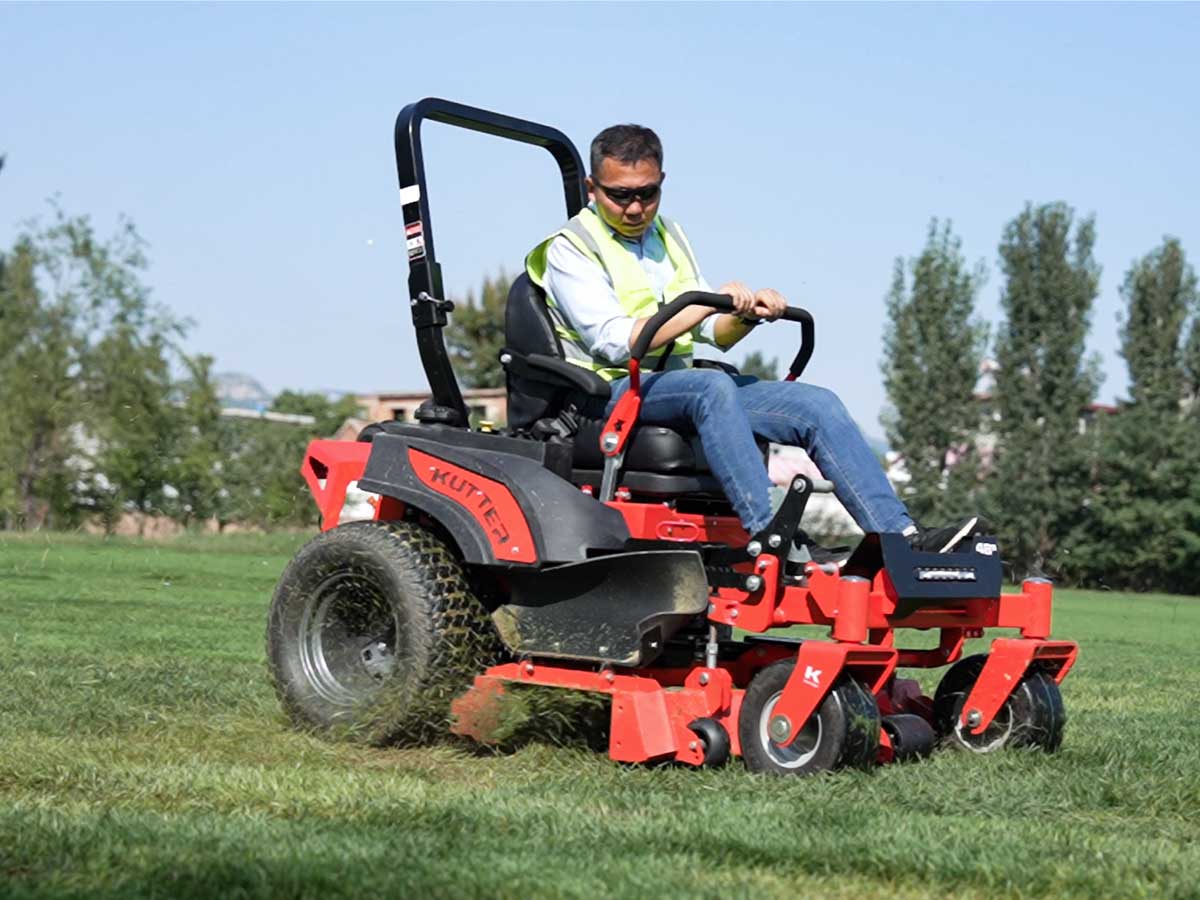
Core Value of Commercial Zero Turn Mowers
For professional landscaping companies and commercial property managers, choosing the right lawn mower is not just about buying equipment—it's an investment in business efficiency and profitability.
Improved Work Efficiency
Speed Advantage: 30-50% faster than traditional riding mowers
Large Area Coverage: Wide cutting decks reduce operation time
Precise Control: Dual lever design for complex terrain
Reduced Operating Costs
Fuel Efficiency: Optimized fuel consumption
Maintenance Costs: Heavy-duty construction reduces breakdowns
Service Life: 2000+ hours with short ROI cycles
Enhanced Service Quality
Cutting Quality: Consistent professional appearance
Customer Satisfaction: Efficient operations reduce disruption
Brand Image: Professional equipment enhances trust
2026 Top Commercial Zero Turn Mowers Review
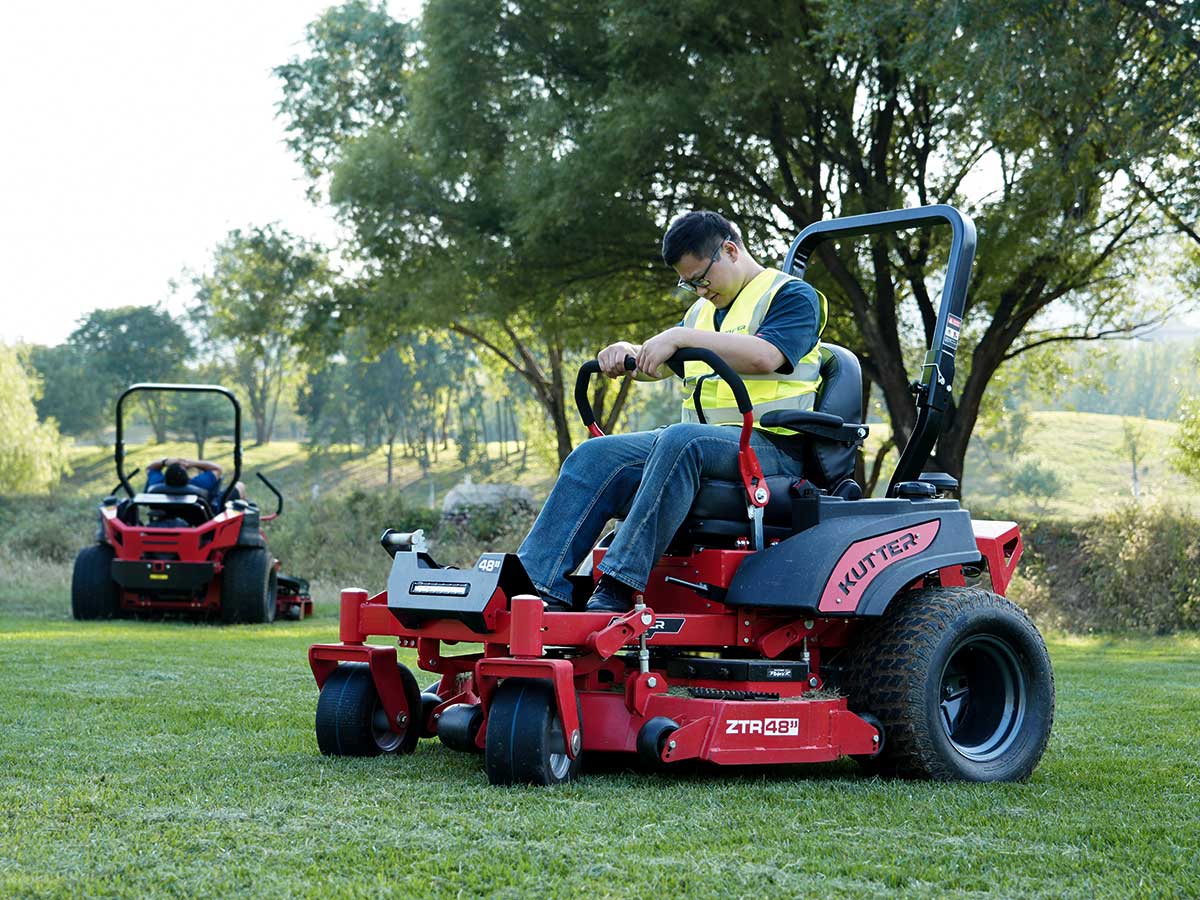
1. KUTTER ZTR 48C Commercial Zero Turn Mower
Best Value"KUTTER ZTR 48C stands out in cost-effectiveness, making it an ideal choice for small to medium landscaping companies. Its electromagnetic clutch and electric start system greatly improve operational convenience, allowing 2-3 more lawns to be maintained daily."
Core Specifications
Engine: Powerful V-twin engine
Cutting Width: 48 inches
Transmission: Hydrostatic transmission
Features: Electromagnetic clutch, electric start
Business Value
Initial Investment: Moderate, suitable for SMBs
Operating Costs: ~1.5 gallons/hour
Efficiency: ~2.5 acres/hour
Best For: Small-medium commercial properties
2. John Deere Z930M
Premium"Benchmark choice for professional companies. PowrReverser transmission provides unparalleled control precision."
Best For: Large commercial properties, golf courses
3. Toro TimeCutter HD
Comfort"MyRIDE suspension system reduces operator fatigue. Bluetooth connectivity for modern equipment management."
Best For: Commercial properties, municipal facilities
4. Cub Cadet Pro Z 900 S
Wide Cut"54-inch cutting width ideal for large properties. Fabricated steel deck and powerful 26HP engine."
Best For: Large commercial properties, industrial areas
5. Husqvarna Z254
Budget"Good choice for start-ups with limited budgets. Lightweight design easy to transport."
Best For: Start-ups, small teams, residential communities
Professional Landscaper's Buying Guide
Choose by Business Size
Key Performance Indicator Comparison
Return on Investment Analysis
Assuming 500 hours of use per year and lawn maintenance charge of $50 per acre:
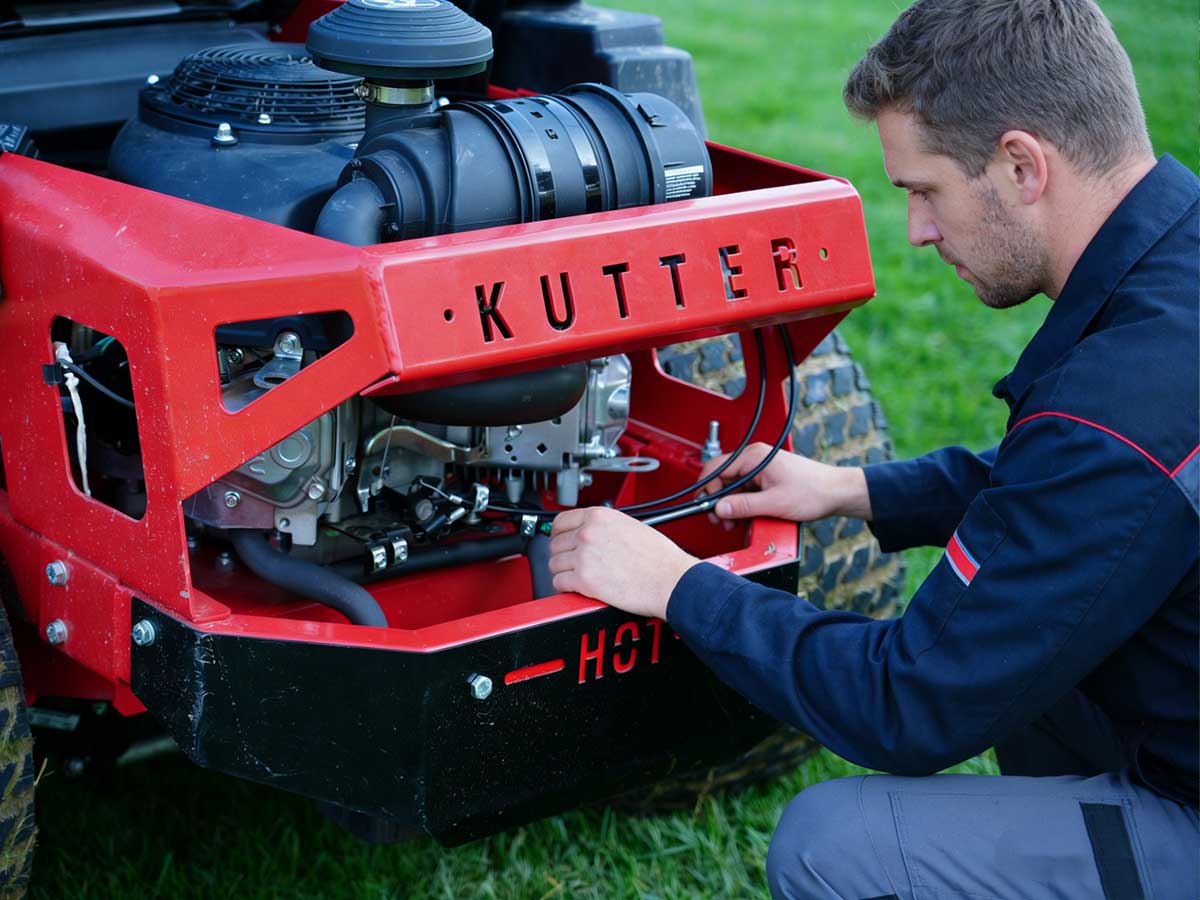
Maintenance & Care for Commercial Zero Turn Mowers
1. Regular Maintenance
Every 50 hours: Check air filter, change oil
Every 100 hours: Check blades, belt tension
Every 200 hours: Comprehensive inspection, lubricate
2. Seasonal Maintenance
Spring: Inspection, replace blades
Summer: Increase frequency, high temp care
Fall: Clean and inspect
Winter: Proper storage
3. Best Practices
Avoid overloading
Keep blades sharp
Regularly clean deck
Train operators properly
2026 Commercial Zero Turn Mower Trends & New Data
Technological Innovations
Smart Control: GPS and job management systems
Electrification: More battery-powered options
Automation: Semi-automatic features
Data Collection: Equipment health monitoring
2026 Market Trends
Environmental: Stricter emission standards
Labor Shortage: Improved efficiency needed
Rental Options: Flexible financing
Customization: Industry-specific options
2026 New Data
Frequently Asked Questions
Q: Best mower for small businesses?
A: For small businesses, the KUTTER ZTR 48C and Husqvarna Z254 are excellent choices. The KUTTER ZTR 48C offers high cost-effectiveness and reliability, while the Husqvarna Z254 provides a lower initial investment for start-ups.
Q: How much should I spend?
A: Commercial zero turn mowers typically range from $4,000 to $7,000. Consider the total cost of ownership, including maintenance and operating costs, rather than just the initial price.
Q: What maintenance is required?
A: Regular maintenance includes checking air filters and changing oil every 50 hours, inspecting blades and belt tension every 100 hours, and comprehensive inspections every 200 hours.
Q: How long do they last?
A: With proper maintenance, commercial zero turn mowers can last 2000+ hours, which typically translates to 4-5 years of heavy use. High-quality models can last even longer with proper care.
Q: Can they handle rough terrain?
A: Yes, commercial zero turn mowers are designed to handle rough terrain. Models with larger tires, stronger frames, and better suspension systems perform best on uneven ground.
Q: Commercial vs Residential?
A: Commercial models use thicker steel, more powerful engines, designed for 8+ hours daily operation, longer maintenance intervals, and specialized commercial warranty plans.
Conclusion: Choose the Best Commercial Zero Turn Mower for Your Business
Choosing the right commercial zero turn mower is an important decision that affects business efficiency and profitability. By considering your business size, typical job types, budget constraints, and long-term goals, you can select the model that best suits your needs.
Key Takeaways
Disclaimer: The content of this article is for reference only. Specific product specifications and prices may be adjusted according to market conditions, please refer to the official website for the latest information. Prices and specifications subject to change.
Related Products

ZTR-62C
hot selling index
DTBH22
hot selling index
