
 Español
 العربية
 Francés
 Русский
 Português
 Deutsch
 Italiano
 Polski
 Malay
Malay
 日本語
日本語
 한국어
한국어
 Nederlands
 Indonesia
 български
 Українська
 فارسی
فارسی
 اوردو
اوردو
 тоҷикӣ
 বাংলা
বাংলা






Private Label Lawn Mower Manufacturer | OEM Lawn Equipment Solutions
OEM Private Label Lawn Equipment Manufacturer
Your Brand on Our Proven Machines
You bring the brand. We supply the machines.
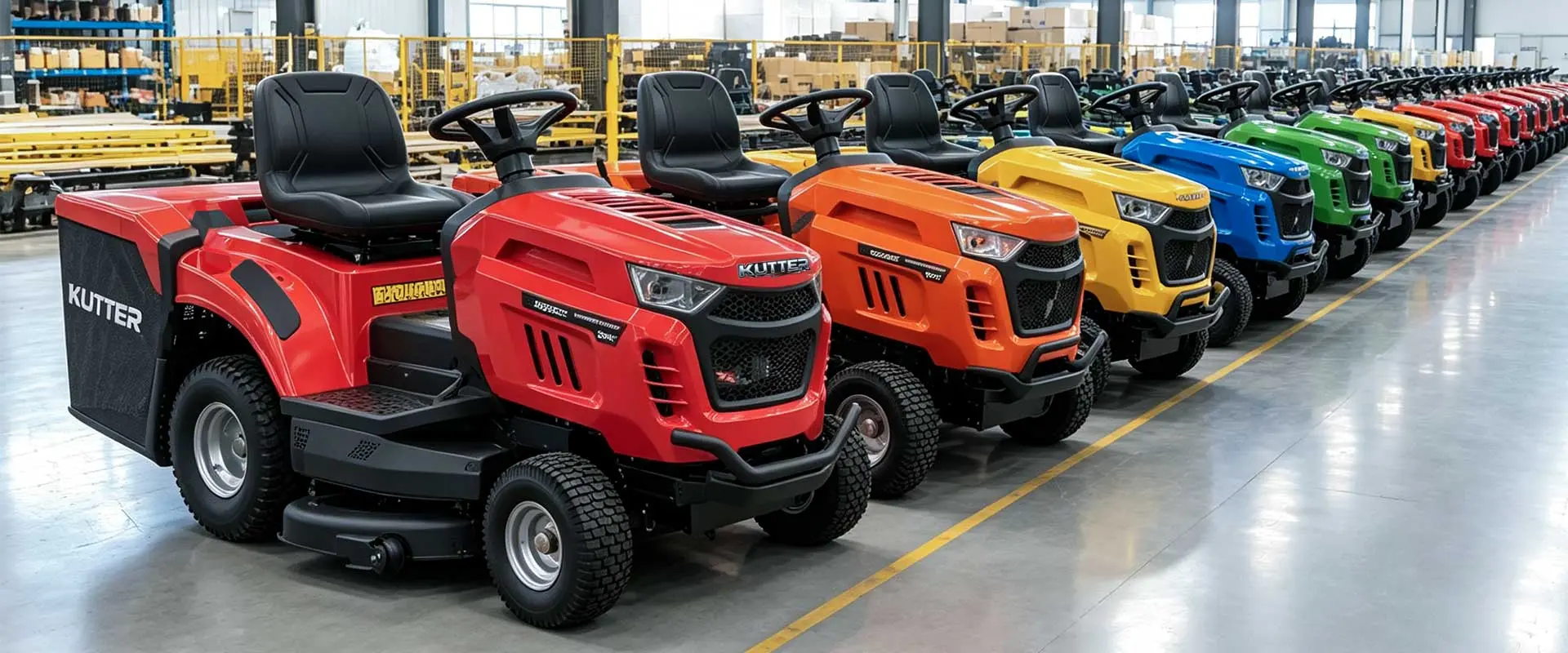
Supporting brands, distributors, and equipment companies with private label lawn equipment manufacturing. Our lawn mowers are already designed, tested, and production-ready. Choose your models, pick your colors, add your logo — we manufacture, package, and ship under your brand name.
What We Customize for Your Brand
Designed for distributors building their own equipment brands. Three core areas where your brand identity comes to life on every machine.
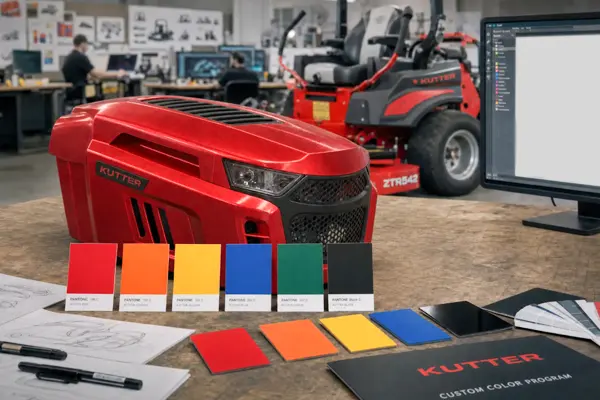
Brand Colors
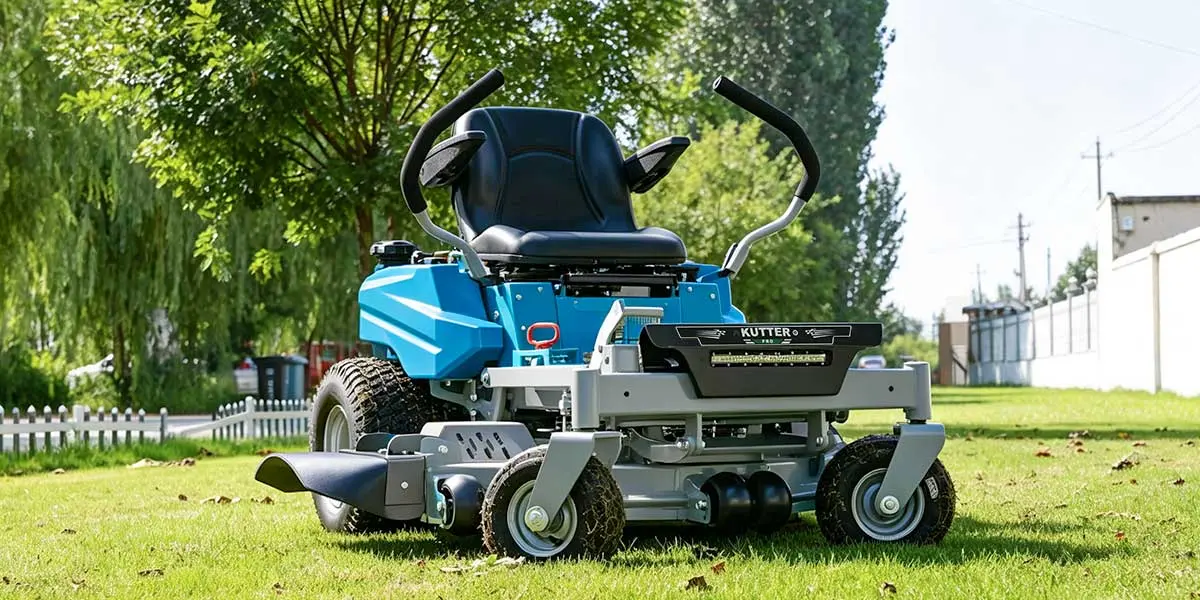
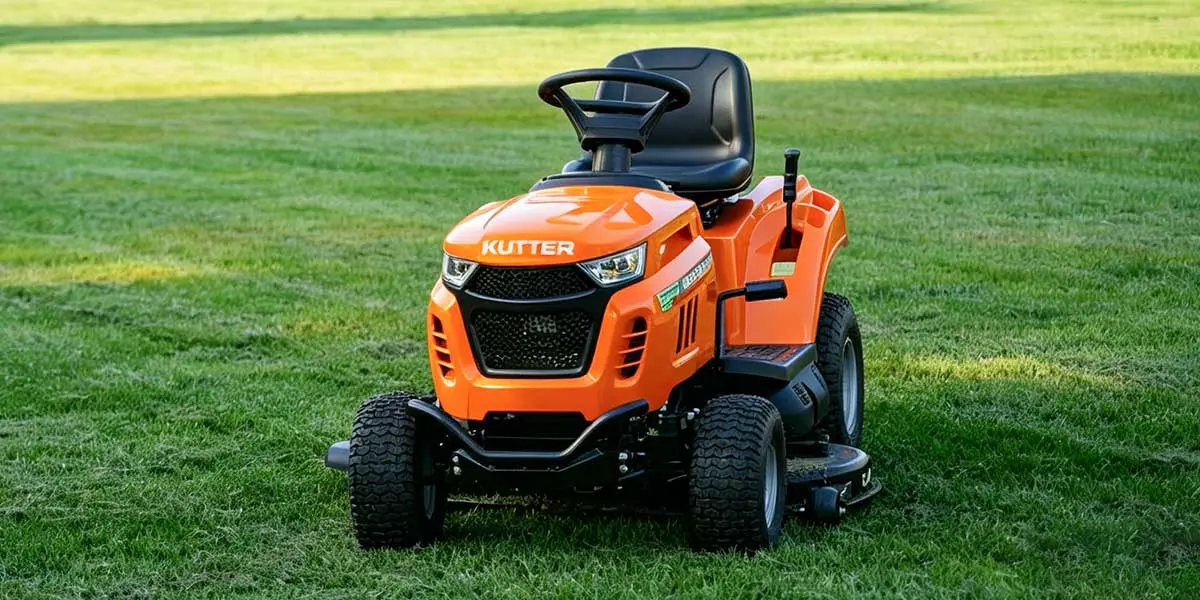
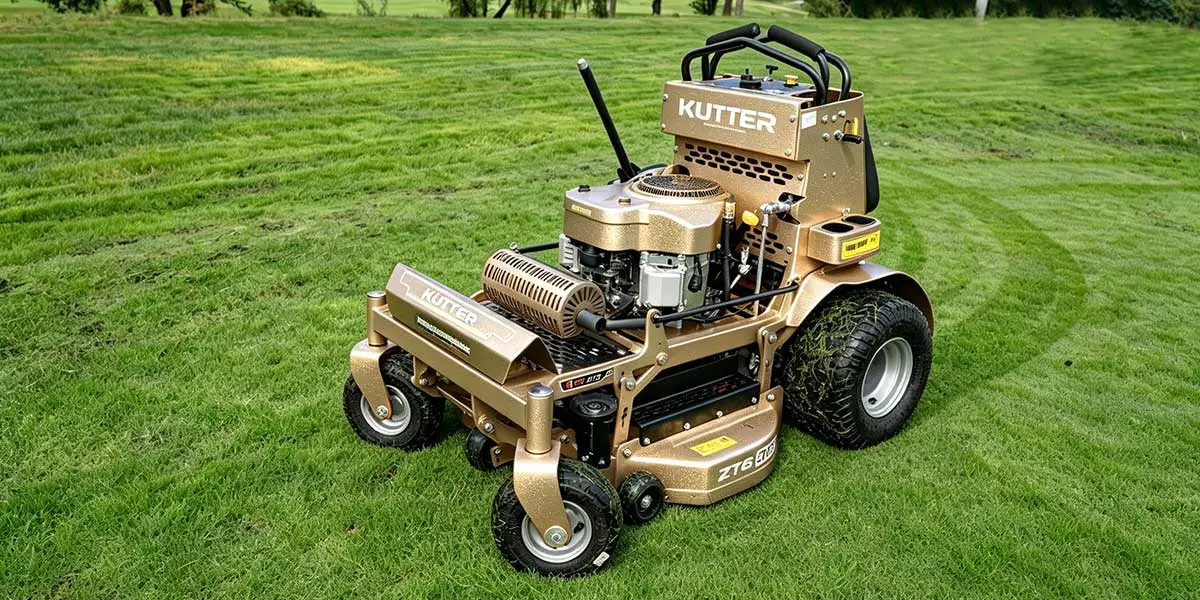
We use Pantone color matching for every surface: machine body, cutting deck, chassis frame, and component covers. Whether you need a single accent color or a complete brand livery, our powder coating line reproduces your colors consistently across every unit in your order. Popular dealer brand colors: orange, yellow, blue, red, green, grey — or any custom Pantone reference you provide.
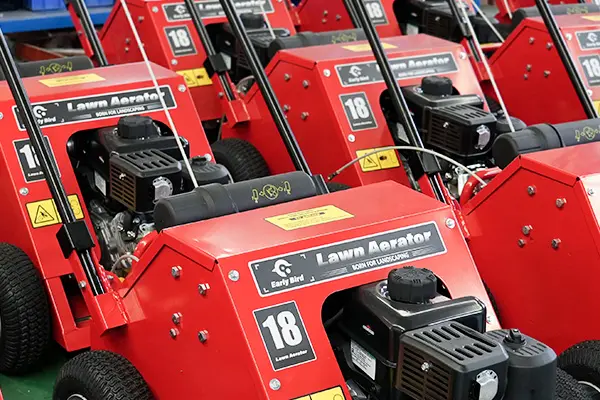
Logo & Decals
Logo placement on the machine body, engine cover, and cutting deck. Custom decal sets designed to your specifications — choose size, position, colors, and surface finish (gloss or matte). Send us your brand book or design brief — our graphics team prepares production-ready decal files for your approval before manufacturing begins.
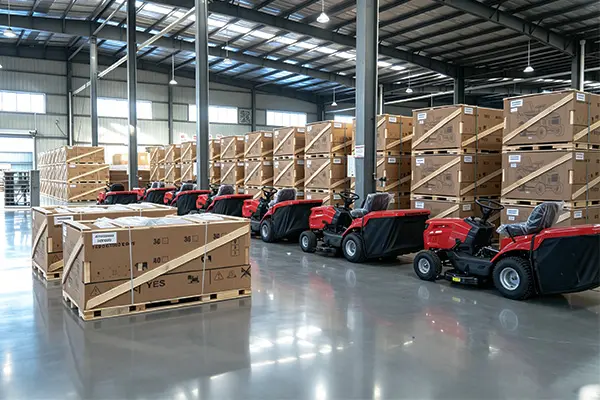
Packaging & Documentation
Custom-printed outer cartons with your brand name, logo, and product photography. Owner's manuals, specification sheets, and warranty documentation issued under your brand identity. Everything arrives container-ready — your branded product ships directly from our factory to your warehouse, distribution center, or dealer network. No repacking, no relabeling.
Customization Case Studies
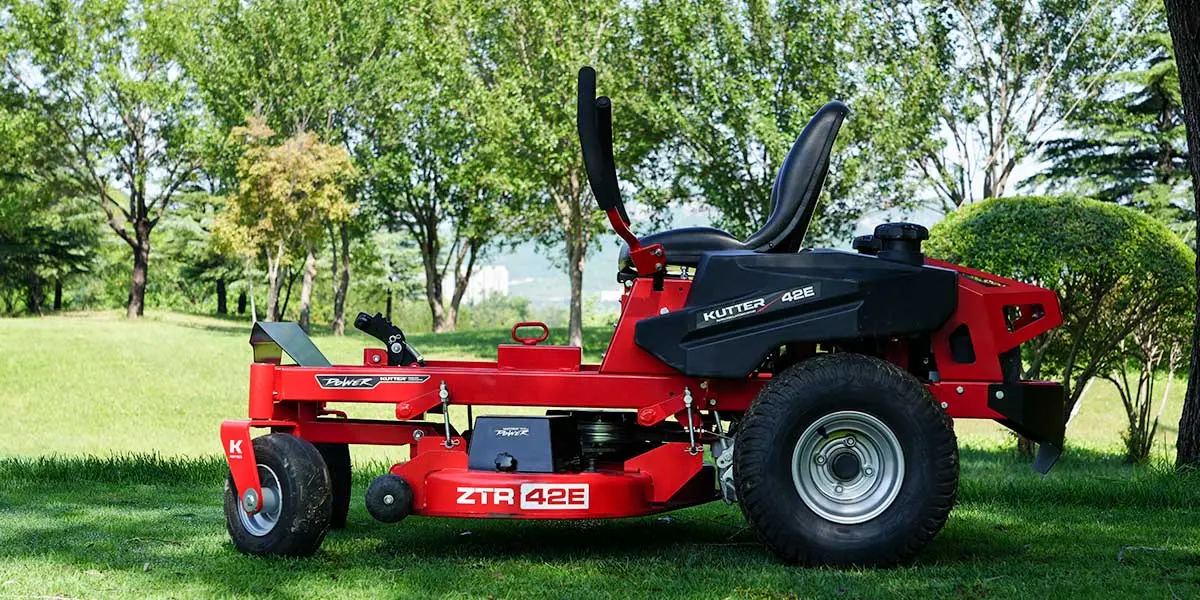
Why Private Label OEM with Kutter
Skip R&D
Every model is already designed, tested, and in production. No engineering team required.
Low MOQ
Start with a trial order. Validate your market before scaling volume.
Full Brand Control
Pantone colors, custom decals, branded packaging — 100% your brand identity.
One Supplier
Single factory handles manufacturing → branding → packaging → shipping.
Ordering & Delivery
Clear terms, flexible quantities, and reliable lead times for your private label program.
Minimum Order
Minimum order quantities vary by model. We support flexible starting volumes — begin with a trial order to test your market before scaling. Contact us with your product selection and target volume for a tailored quotation.
No tooling investment required. Our machines are already production-ready — you're paying for manufacturing and branding, not engineering.
60–75 Days Delivery
Standard private label orders ship within 60–75 days from order confirmation and color/logo approval. Timeline includes: color matching sample approval, decal production, branded packaging printing, and final assembly with your specifications.
FOB Qingdao, China. Container-optimized loading — for selected lawn tractor models, up to 56 units per 40HQ container.
Lead times vary depending on customization complexity. Contact our sales team for specifics.
Manufacturing You Can Trust
Your brand deserves a factory that delivers consistency. See complete manufacturing facility →
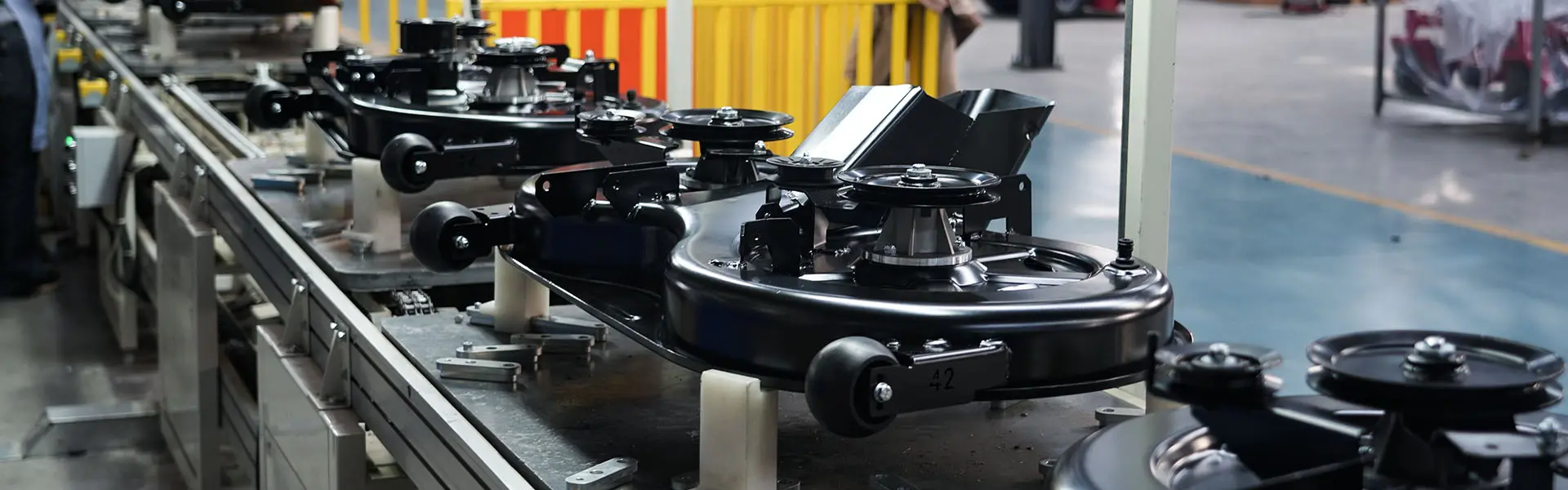
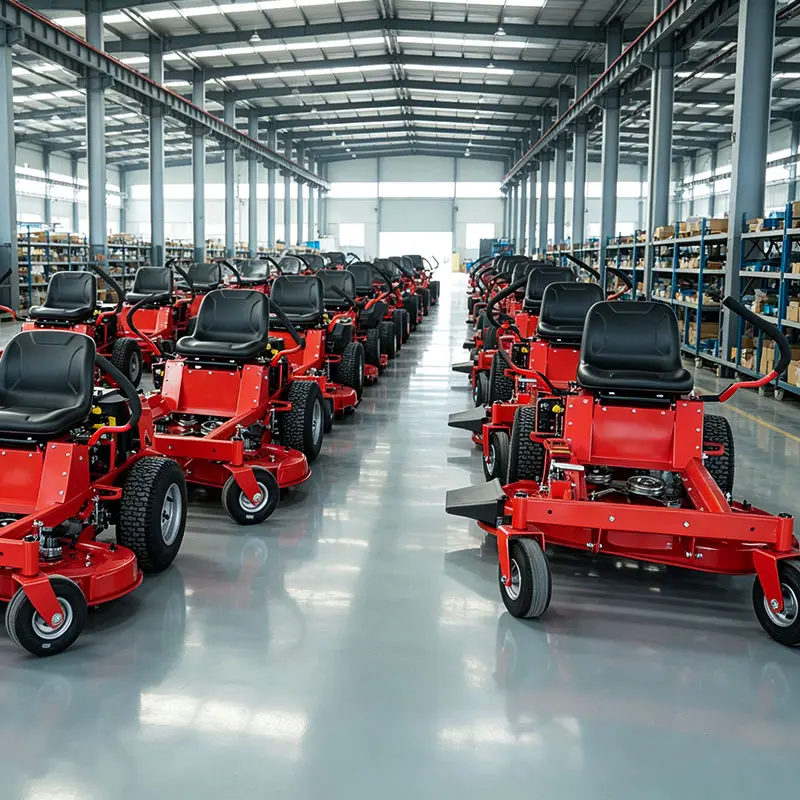
4 Workshops
Stamping → Welding → Powder Coating → Final Assembly
No outsourced production steps
Vertical integration = consistent quality
Quality Control
IQC — incoming material inspection
IPQC — in-process checkpoints
OQC — 100% pre-shipment audit
Certifications
How OEM Private Label Works
Four clear steps from model selection to branded shipment.
Choose Your Models
Pick from our production-ready lineup: lawn tractors, zero turn mowers, cylinder mowers, leaf blowers, and wood chippers. Every model is already designed, tested, and in production.
Browse OEM-ready models →Confirm Brand Specs
Send us your Pantone color codes, logo files (AI / EPS / PNG), brand name, and packaging artwork. We confirm technical specifications within 1–2 business days.
Sample Approval
We produce one fully branded sample unit for your review. Check color match, decal placement, and overall finish. Approve the sample, and we move to mass production.
Production & Shipping
Mass production with full QC at every stage: IQC → IPQC → OQC. Container-optimized loading and FOB Qingdao shipping. Standard lead time: 60–75 days from approval.
Frequently Asked Questions
Ready to Put Your Brand on Proven Machines?
Contact our team for a tailored OEM quotation. We reply within 48 hours with model recommendations, color matching guidance, and pricing.
Get Your OEM Quote →Need a custom product from scratch?
Our 15-person R&D team handles full development from concept to production.
ODM Custom Engineering →Distributor looking for channel support?
Marketing materials, spare parts, territory support for Kutter brand dealers.
Kutter Dealer Program →