
 Español
 العربية
 Francés
 Русский
 Português
 Deutsch
 Italiano
 Polski
 Malay
Malay
 日本語
日本語
 한국어
한국어
 Nederlands
 Indonesia
 български
 Українська
 فارسی
فارسی
 اوردو
اوردو
 тоҷикӣ
 বাংলা
বাংলা

Industrial Mowers: The Complete Guide to Buying Heavy-Duty Lawn Care Equipment
Industrial Mowers: The Complete Guide to Buying Heavy-Duty Lawn Care Equipment
For commercial landscape contractors, golf course superintendents, and sports field managers, every hour of downtime means lost revenue. Industrial mowers eliminate that risk—delivering 8+ hours of continuous operation, 2,000+ hours of service life, and the productivity boost that comes from cutting up to 8 acres per hour.
Read Buying Guide
What Are Industrial Mowers?
Definition & Key Characteristics
Industrial mowers (also called commercial mowers) are purpose-built for the rigors of daily professional use. Unlike residential models, they feature:
Heavy-Duty Construction
Reinforced frames and components designed for 1,000-2,000 hours of annual use—compared to just 50-100 hours for residential models.
Powerful Engines
20 to 40+ horsepower engines with enhanced cooling systems for extended use and commercial-grade transmissions.
Wider Cutting Decks
42" to 72" cutting widths for faster coverage, with advanced suspension systems for operator comfort.
How Industrial Mowers Differ from Residential Mowers

Types of Industrial Mowers
Zero Turn Mowers
Most Popular360-degree maneuverability with zero-radius turning. High speeds up to 12 mph for maximum efficiency. Ideal for golf courses, sports fields, and large commercial properties.
68% of commercial landscapers' primary equipment
30-50% productivity gains over tractor-style mowers
Excellent cut quality with floating decks
Stand-On Mowers
VersatileCompact design for navigating tight spaces. Quick operator dismount for trimming around obstacles. Lower center of gravity for better hillside stability.
Perfect for properties with many obstacles
Quick on/off for detailed trimming work
Preferred for properties under 5 acres
Tractor Mowers
Multi-UseMultiple attachment capabilities (mowing, tilling, plowing). Heavy-duty construction for rough terrain. Excellent traction on slopes and uneven ground.
Versatile for various applications
Ideal for agricultural properties
Great for large estates and parks
Walk-Behind Mowers
PrecisionSuperior maneuverability in tight areas. Operator control for precision cutting. Lightweight design for easy transportation.
Best for small commercial properties
Ideal for residential complexes
Perfect for detailed work
Key Features to Look for in Industrial Mowers
🔧 Cutting Width & Deck Construction
Match cutting width to property size (42-48" for small, 54-72" for large)
10-12 gauge steel decks for durability
Quick-adjust systems for different grass heights
Anti-scalp wheels to prevent turf damage
Industry benchmark: John Deere's 7-Iron™ decks use 7-gauge steel (4.8mm)
⚡ Engine Power & Performance
Minimum 20 HP for commercial use
Gasoline, diesel, or electric options
Factor in fuel costs for your operation
EPA-certified engines for compliance
Market reached $474M in 2024, projected $637M by 2031
💪 Durability & Build Quality
Welded steel frames for long life
Commercial-grade transmissions and hydraulics
Powder-coated finishes for rust resistance
Comprehensive commercial warranties
🪑 Comfort & Ergonomics
Suspension seats with lumbar support
Ergonomic, easy-to-reach controls
Vibration reduction isolation systems
Weather protection canopies
Top Industrial Mower Brands Compared
KUTTER Advantage
KUTTER stands out with significantly lower pricing compared to premium brands, making them an ideal choice for budget-conscious commercial users who still need professional performance. Their 73L fuel tank provides longer runtime than many competitors, reducing refueling stops during long shifts. KUTTER delivers professional-grade performance at 10-15% below comparable models from leading European and American brands.

KUTTER Industrial Mower Recommendations
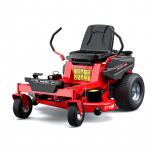
KUTTER ZTR-54C
Best ValueZero Turn Mower with professional-grade performance
Perfect for large commercial applications with 8-10 hours runtime and exceptional fuel capacity.
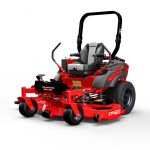
KUTTER ZTR-72C
Pro GradeMaximum productivity for extensive commercial properties
Designed for maximum productivity with the widest cutting deck and EFI engine technology.
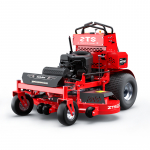
KUTTER ZTS 61C
Stand-OnStand-On Mower with agility and efficiency
Professional-grade performance for commercial applications with superior maneuverability.
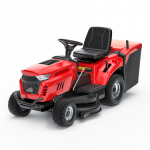
KUTTER LT-42R
TractorTractor Mower with multi-attachment capabilities
Versatile tractor mower for various applications with heavy-duty construction.
Industrial Mower Buying Checklist
1. Property Size & Terrain
Small (1-5 acres): 42-48" deck
Medium (5-15 acres): 52-60" deck
Large (15+ acres): 60-72" deck
Consider terrain: flat, sloped, or mixed
2. Power Source
Gasoline: widely available, powerful
Diesel: more fuel-efficient
Electric: zero emissions
Match to your fuel infrastructure
3. Mower Type
Zero turn: best for open areas
Stand-on: best for obstacles
Tractor: best for versatility
Walk-behind: best for precision
4. Usage Frequency
Light (1-3 hrs/day): Standard commercial
Medium (4-6 hrs/day): Heavy-duty
Heavy (7+ hrs/day): Industrial-grade
5. Budget Considerations
Entry-level: $5,000-$8,000
Mid-range: $8,000-$15,000
High-end: $15,000-$30,000+
Factor in maintenance costs
6. Additional Features
Suspension system for comfort
Mulching capabilities
LED lights for early/late operation
Smart features (GPS, telematics)

Frequently Asked Questions
What's the difference between industrial and commercial mowers?
Industrial and commercial mowers typically refer to the same category—equipment designed for professional use. Some manufacturers use "industrial" to denote heavier-duty models, but both feature enhanced durability and performance for daily professional operations.
How much do industrial mowers cost?
Industrial mowers range from $5,000 to $30,000+ depending on model, size, and features. Zero-turn models typically cost $8,000-$15,000, while large tractor-style mowers can exceed $20,000.
What is the service life of an industrial mower?
Industrial mowers typically last 2,000-5,000 hours depending on maintenance and usage intensity. Regular maintenance can significantly extend equipment lifespan.
Are heavy-duty mowers worth the investment?
For commercial operators, yes. A $10,000 industrial mower with a 5-year lifespan and 2,000 operating hours costs approximately $5 per hour in capital expense—significantly less than labor costs for slower residential equipment.
Where can I buy industrial lawn mowers?
Industrial mowers are available through specialized equipment dealers, online marketplaces, and direct from manufacturers like KUTTER. For commercial buyers, we recommend contacting manufacturers directly for bulk pricing.
What's the difference between zero turn and stand-on?
Zero-turn mowers offer superior comfort for long hours on large, open properties. Stand-on mowers provide better visibility and quicker dismount for properties with frequent obstacles.
Industrial Mower Maintenance Tips
Daily Maintenance
Check oil and fuel levels
Inspect cutting blades
Clean debris from deck
Check tire pressure
Weekly Maintenance
Sharpen cutting blades
Inspect belts and hoses
Grease pivot points
Check hydraulic fluid
Seasonal Maintenance
Spring: Complete tune-up
Summer: Frequent cleaning
Fall: Winterize engine
Winter: Store in dry area
Conclusion
Choosing the right industrial mower is a big investment—one that directly impacts your productivity, operating costs, and bottom line. Start by assessing your property size, terrain, and daily usage with the checklist above, then compare specs across top brands.
For commercial operators looking to optimize their fleet, KUTTER offers customizable industrial mowers backed by responsive after-sales support and competitive pricing. With 10-15% lower pricing than premium brands, 73L fuel tanks for extended runtime, and professional-grade performance, KUTTER delivers exceptional value for commercial lawn care operations.
Ready to Upgrade Your Fleet?
Contact KUTTER for a free quote and discover how our industrial mowers can boost your productivity
Request a QuoteDisclaimer: The content of this article is for reference only. Specific product specifications and prices may be adjusted according to market conditions, please refer to the official website for the latest information. Industry data sourced from Turf Magazine's 2025 Equipment Survey, QY Research commercial mower market report, and National Association of Landscape Professionals (NALP).
Related Products


CS750Pro
hot selling index
